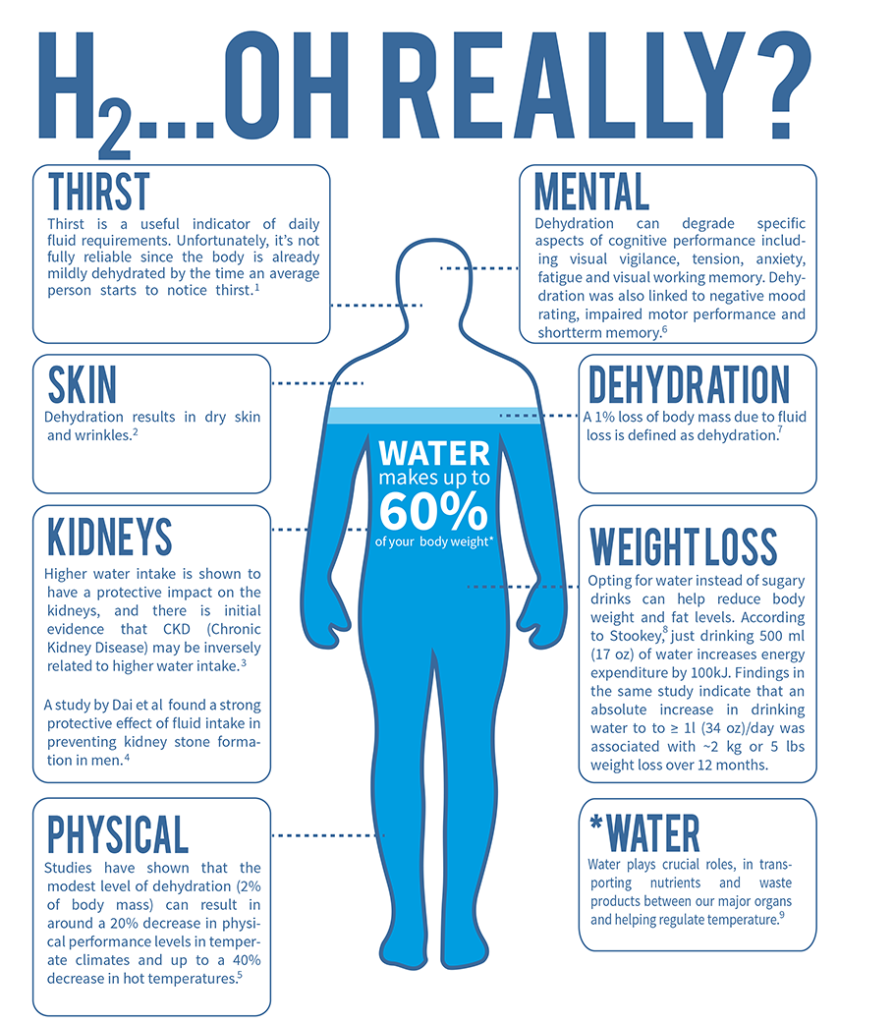
Hydration is crucial for maintaining healthy skin. When the body is properly hydrated, the skin looks and feels better, with improved elasticity and fewer wrinkles. Athletes have higher hydration needs due to increased sweat loss during physical activity. It’s important for them to drink plenty of water before, during, and after their workouts to prevent dehydration.
Pregnant women also require extra hydration to support the growth and development of their baby. Staying well-hydrated can help reduce common pregnancy discomforts like constipation and swelling.
Including hydrating foods in your diet such as fruits (like watermelon), vegetables (such as cucumbers), and soups can contribute to your daily fluid intake.
Hydration plays a significant role in digestion by helping to break down food particles more efficiently and preventing constipation.
Staying hydrated while traveling is essential, especially on long flights or road trips. Make sure to carry a reusable water bottle with you at all times.
Children and teenagers need proper hydration for growth, cognitive function, and overall well-being. Encourage them to drink water throughout the day instead of sugary beverages.
Older adults may have a decreased sensation of thirst but still need adequate hydration for optimal health. Offering them fluids regularly can help prevent dehydration-related issues.
Electrolytes are essential for maintaining proper fluid balance in the body. Consuming electrolyte-rich foods or drinks can be beneficial for staying hydrated, especially after intense exercise or in hot weather conditions.
In conclusion, prioritizing hydration is key for overall health and well-being across all stages of life. By understanding its importance, debunking myths surrounding it, incorporating hydrating practices into daily routines, individuals can reap the numerous benefits that come with staying adequately hydrated.

Leave a Reply