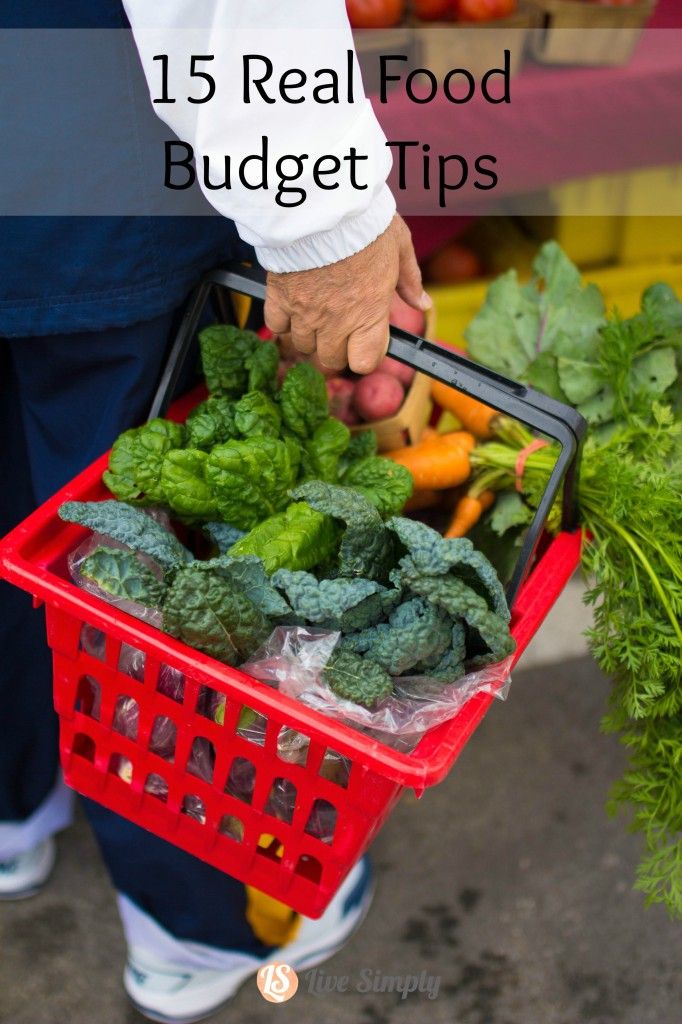
Organic produce is becoming increasingly popular among health-conscious consumers due to its perceived benefits for both personal health and the environment. However, the higher price point of organic fruits and vegetables can sometimes be a barrier for those looking to make healthier choices on a budget. Fortunately, there are several money-saving tips that can help you incorporate more organic produce into your diet without breaking the bank.
1. **Shop in-season**: One of the most effective ways to save money on organic produce is to buy fruits and vegetables when they are in season. In-season produce tends to be more abundant, which often leads to lower prices compared to out-of-season items that need to be imported from other regions.
2. **Visit local farmers’ markets**: Farmers’ markets are great places to find affordable organic produce directly from local growers. By cutting out the middleman, you can often get fresher fruits and vegetables at better prices than what you might find at supermarkets.
3. **Join a CSA (Community Supported Agriculture) program**: CSA programs allow consumers to purchase a share of a local farm’s harvest in advance. This not only supports small-scale farmers but also provides you with a variety of fresh, seasonal organic produce at a discounted rate compared to retail prices.
4. **Buy in bulk**: Purchasing larger quantities of organic produce can sometimes lead to discounts or lower prices per unit. Consider buying bulk items like potatoes, onions, or apples that have longer shelf lives and can be stored easily.
5. **Grow your own**: If you have space and time, consider starting a small garden or growing herbs on your windowsill. You can control the growing process and ensure that your produce is truly organic while saving money on grocery store purchases.
6. **Look for sales and discounts**: Keep an eye out for sales, promotions, and discounts offered by grocery stores or online retailers specializing in organic products. Signing up for newsletters or loyalty programs may also provide access to exclusive deals.
7. **Compare prices**: Don’t limit yourself to shopping at one store; compare prices across different retailers in your area or online platforms offering organic options. You may find significant variations in pricing that could help you save money on your purchases.
8..**Purchase frozen or canned organic options:** While fresh produce is ideal, frozen or canned organic fruits and vegetables can be more cost-effective alternatives without sacrificing nutritional value.
9..**Consider imperfect produce:** Some stores offer “imperfect” or “ugly” fruits and vegetables at discounted rates because they do not meet conventional cosmetic standards but are still perfectly good for consumption.
10..**Utilize all parts of the plant:** To maximize value from your purchase, use all parts of the plant whenever possible – stems for broths/soups, leaves for salads/pastes etc.
11..**Plan meals around what’s available:** Instead of sticking strictly with recipes requiring specific ingredients , adapt meal plans based on what’s available reducing waste overall as well as costs.
12..**Preserve excess:** When certain types of organics become too plentiful either freeze them,dry them ,can them etc so none go bad before being consumed .
In conclusion incorporating more Organic Produce into our diets doesn’t have mean breaking our budgets .By employing some thoughtful strategies such as these it’s entirely feasible —and beneficial—to eat healthy while being mindful about our spending habits

Leave a Reply