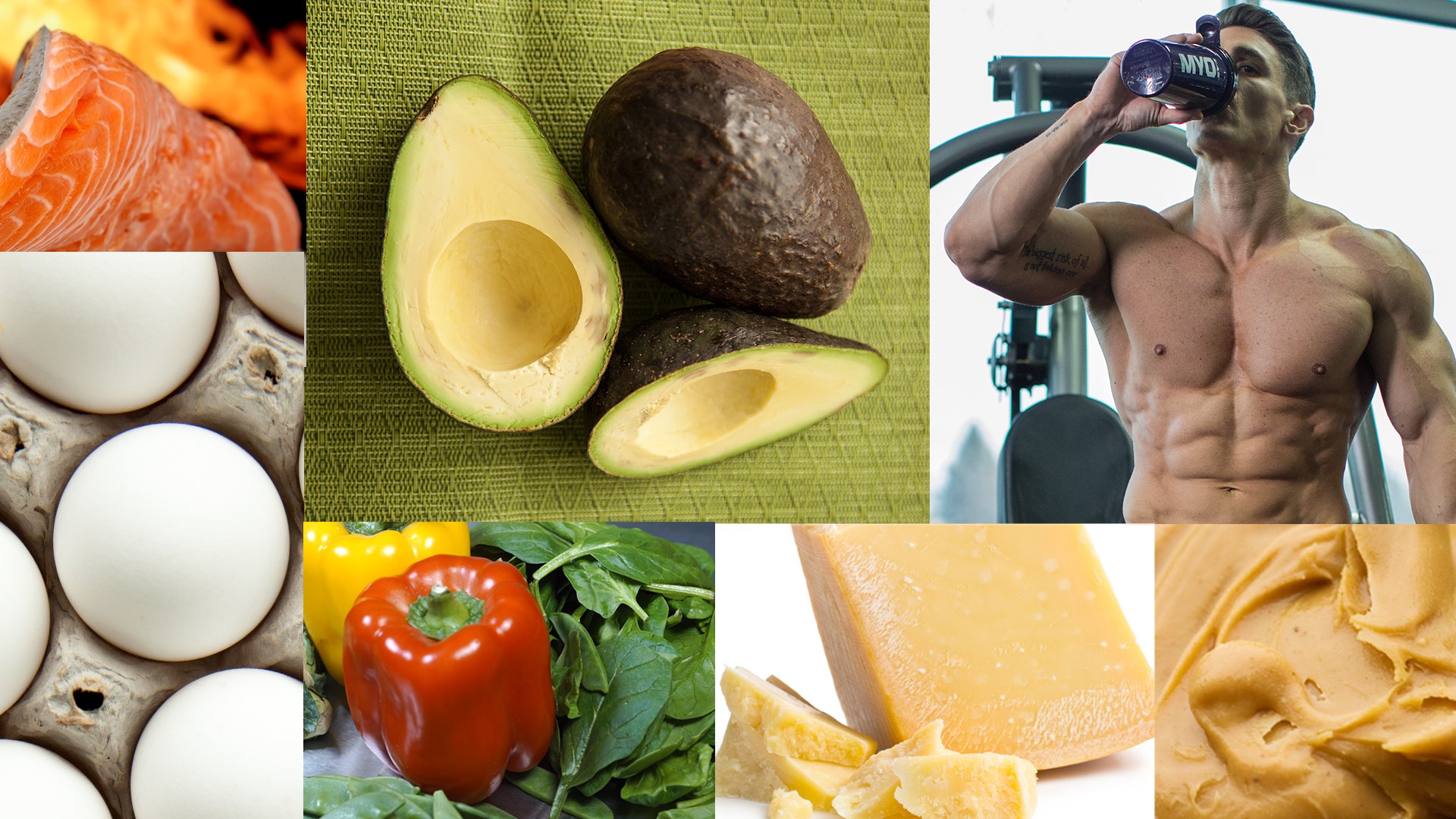
The keto diet has gained popularity not just for weight loss but also for its potential benefits for athletes. By shifting the body’s energy source from carbohydrates to fats, athletes on a keto diet may experience improved endurance and quicker recovery times. While it can take some time to adapt to this low-carb, high-fat diet, many athletes find success once their bodies become fat-adapted.
For vegetarians looking to try the keto diet, there are still plenty of options available despite the focus on animal proteins in traditional keto meal plans. Plant-based sources of protein like tofu, tempeh, and seitan can be incorporated into a vegetarian keto diet while focusing on non-starchy vegetables and healthy fats like avocados and nuts.
The link between the keto diet and mental health is an area of growing interest. Some studies suggest that a ketogenic diet may have neuroprotective effects and could potentially help with conditions such as anxiety and depression. The relationship between nutrition and mental health is complex, but some individuals report improved mood and cognitive function when following a ketogenic eating pattern.
Women may find that the keto diet can help support hormonal balance by stabilizing blood sugar levels and reducing inflammation in the body. However, it’s essential for women to listen to their bodies as hormone levels fluctuate throughout the month and adjust their nutrient intake accordingly.
Intermittent fasting can be combined with a ketogenic diet to enhance weight loss and metabolic benefits. By cycling between periods of eating and fasting, individuals can optimize their body’s ability to burn fat for fuel while maintaining muscle mass.
Fast food options suitable for those following a keto lifestyle include grilled chicken salads without croutons or sugary dressings, bunless burgers with extra lettuce wraps, or burrito bowls without rice or beans from certain establishments.
Gut health is crucial for overall well-being, even on a ketogenic diet where fiber intake might be lower due to restricted carb consumption. Including low-carb fiber sources like chia seeds, flaxseeds, broccoli, cauliflower, and leafy greens can help support gut microbiota diversity.
Targeted Ketogenic Diet (TKD) involves consuming small amounts of fast-digesting carbs around workouts to provide energy for exercise performance without impacting ketosis significantly.
Cyclical Ketogenic Diet (CKD) alternates between periods of standard ketogenic eating with carb-loading days strategically placed before intense workouts or events to replenish glycogen stores.
While some individuals may see an increase in cholesterol levels when starting a high-fat diet like keto initially; these changes often involve an increase in beneficial HDL cholesterol known as “good” cholesterol while decreasing triglyceride levels.
Keto diets are known for helping control blood sugar levels as they reduce carbohydrate intake which directly impacts blood glucose spikes making it beneficial especially for those with diabetes or insulin resistance.
Supplements such as MCT oil (medium-chain triglycerides), electrolytes (sodium/potassium/magnesium), exogenous ketones or collagen peptides can aid in addressing specific micronutrient needs while on Keto.
Alcohol affects ketosis as it pauses fat burning until all alcohol is metabolized; however clear spirits like vodka/gin/rum have zero carbs whereas wine/beer contain varying amounts so moderation is key if consumed.
Seasonal Keto meal planning involves incorporating fresh produce that’s local/in-season e.g., berries during summer/winter squash ensuring variety whilst staying within desired carb limits.
Fiber plays an essential role by supporting digestion & promoting feelings of fullness thus including fiber-rich foods like avocado/nuts/seeds/low-carb veggies helps maintain gut health within Keto regimen.
Traveling while following Keto requires researching restaurant menus beforehand sticking mainly w/protein/fat-based meals avoiding hidden sugars/carbs plus carrying portable snacks/nuts/seeds will come handy during trips
Cooking oils suitable within Keto parameters include coconut oil/avocado oil/MCT oil/olive oil/butter/ghee due being low-carb friendly plus offering stable cooking temperatures ideal culinary uses
Managing electrolytes becomes crucial due reduced water retention within Keto hence incorporating adequate sodium/potassium/magnesium via natural foods/supplements prevents imbalances ensuring smooth bodily functions
Sustainable practices embraced by Keto community such as emphasizing whole foods over processed products supporting local farmers/markets practicing mindful eating/reducing food wastage aim at fostering long-term wellness whilst caring about environment too

Leave a Reply