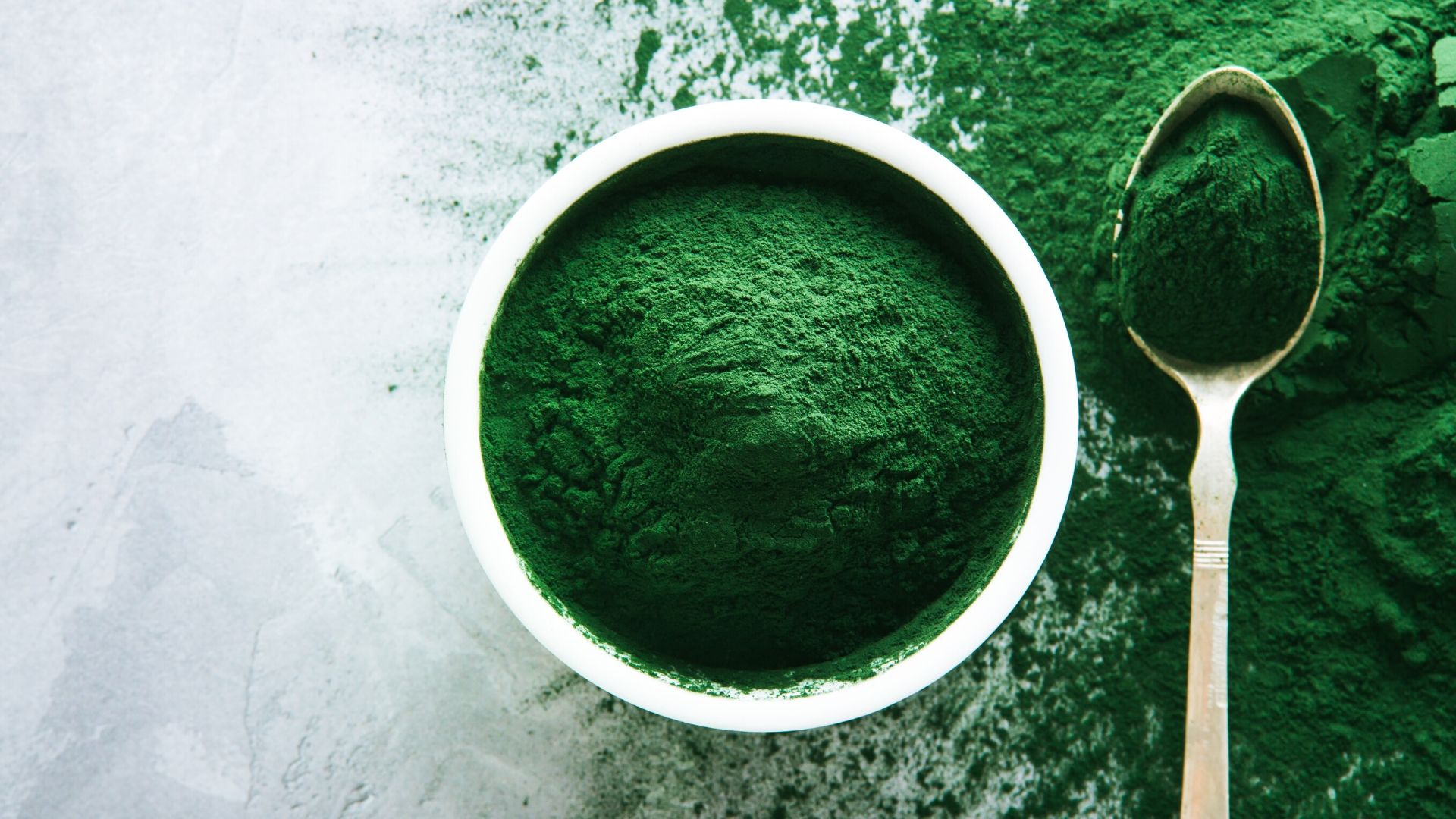
Spirulina, a nutrient-dense blue-green algae, has been gaining popularity in the health and wellness community as a cost-effective protein source. Packed with essential nutrients and boasting numerous health benefits, spirulina is a versatile superfood that can easily be incorporated into various recipes to boost the nutritional value of your meals.
One of the key reasons why spirulina has become a sought-after protein source is its impressive nutrient profile. This microscopic freshwater plant is rich in protein, offering all nine essential amino acids that our bodies need for optimal functioning. In fact, spirulina contains about 60-70% complete protein by weight, making it one of the most concentrated plant-based sources of protein available.
Apart from its high protein content, spirulina is also packed with essential vitamins and minerals. It is an excellent source of iron, calcium, magnesium, potassium, and vitamins A, C, E, and several B vitamins. This nutritional powerhouse also contains antioxidants like phycocyanin and chlorophyll that help protect cells from damage caused by free radicals.
When it comes to cost-effectiveness, spirulina stands out as an affordable option for those looking to increase their protein intake without breaking the bank. Compared to animal-based proteins like meat or dairy products which can be costly, spirulina offers a more budget-friendly alternative for individuals seeking a sustainable and nutritious dietary choice.
In addition to being cost-effective and nutrient-dense, spirulina also provides several health benefits when consumed regularly. Its high antioxidant content helps reduce inflammation in the body and strengthen the immune system. The iron in spirulina supports healthy blood circulation while boosting energy levels naturally.
Furthermore, research suggests that regular consumption of spirulina may have positive effects on cardiovascular health by lowering bad cholesterol levels (LDL) and triglycerides while increasing good cholesterol levels (HDL). Its anti-inflammatory properties also make it beneficial for individuals dealing with conditions like arthritis or allergies.
For those following a plant-based diet or looking to reduce their carbon footprint by consuming fewer animal products, incorporating spirulina into their meals can be an excellent way to meet their daily protein requirements sustainably. Unlike traditional sources of animal protein that often come with ethical concerns related to factory farming practices or environmental issues linked to deforestation for livestock feed production,
Spirulina cultivation requires fewer resources such as water and land compared to raising livestock for meat production – making it a more environmentally friendly choice for conscious consumers.
When it comes to incorporating this superfood into your diet effectively SpiruIine’s mild taste makes it easy-to-blend into smoothies juices or even sprinkle over salads dishes without altering flavor significantly Therefore regardless if you’re preparing sweet savory recipe there are countless ways experiment with using SpiruIine enhance both nutritional culinary profile meal
While SpiruIine offers multitude benefits there certain considerations keep mind before adding regimen For example some people may experience digestive upset initially when introducing new supplement their routine so advisable start small gradually increase dosage time Also pregnant women individuals autoimmune disorders should consult healthcare provider before taking SpiruIine ensure safe appropriate them
Overall SpiruIine emerges as worthy contender cost-effective plant-based source complete nutrition especially crucial times when access quality affordable food limited By harnessing power tiny algae we not only nourish bodies efficiently but also contribute sustainability efforts planet ensuring healthier future generations ahead

Leave a Reply