Millet, a small-seeded ancient grain, has been gaining popularity in recent years as a nutritious and versatile ingredient in healthy meals. This gluten-free grain is packed with essential nutrients and offers numerous health benefits that make it a valuable addition to any diet.
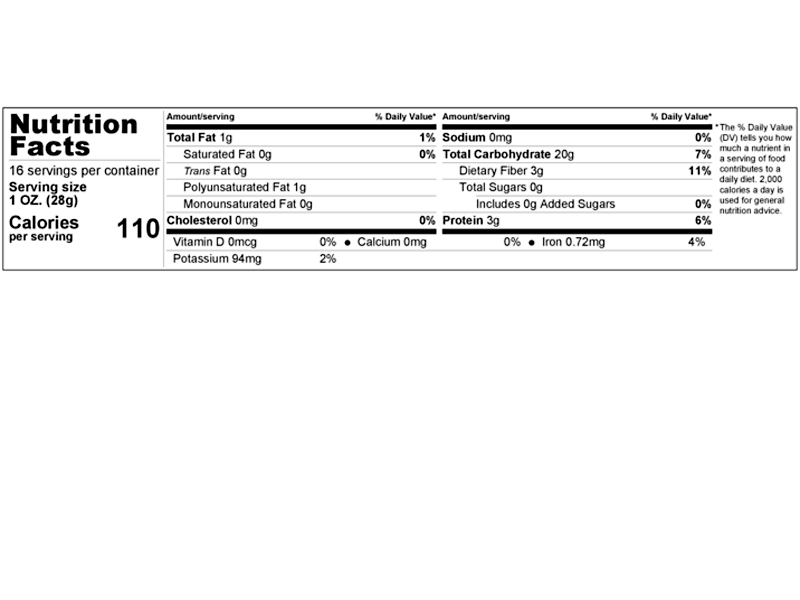
One of the key benefits of millet is its high nutritional content. It is rich in fiber, protein, vitamins, and minerals such as magnesium, phosphorus, and manganese. Millet also contains antioxidants that help protect the body from oxidative stress and inflammation. Its nutrient profile makes it a great choice for improving digestion, supporting muscle function, and promoting overall well-being.
In addition to being nutrient-dense, millet is also known for its low glycemic index. This means that it can help regulate blood sugar levels and provide sustained energy without causing spikes in insulin levels. For individuals looking to manage their weight or prevent diabetes, incorporating millet into their diet can be beneficial.
Millet is incredibly versatile and can be used in a variety of dishes ranging from breakfast porridge to salads to pilafs. It has a mild flavor that pairs well with both sweet and savory ingredients, making it an excellent base for different types of recipes. Millet can be cooked on its own or mixed with other grains like quinoa or rice for added texture and flavor.
Another advantage of millet is its quick cooking time compared to other whole grains. It typically takes around 20 minutes to cook millet on the stovetop, making it a convenient option for busy individuals looking to prepare healthy meals in a short amount of time. Millet can also be easily incorporated into meal prep routines by cooking larger batches ahead of time and storing them for later use.
For those following a plant-based diet or looking to increase their intake of plant proteins, millet serves as an excellent source of protein with all nine essential amino acids present in varying amounts. This makes it a complete protein source comparable to animal-based proteins like meat or dairy products.
Moreover, millet’s versatility extends beyond just cooking applications; it can also be ground into flour and used in baking recipes such as breads, muffins, pancakes or even desserts like cookies or cakes. Millet flour adds a nutty flavor and hearty texture while boosting the nutritional value of baked goods with additional fiber and protein content.
In conclusion,Millet stands out as an incredibly nutritious whole grain that offers various health benefits along with culinary versatility.With its high nutrient content,fiber-rich composition,and plant-based protein profile,millet proves itself as an excellent ingredient fit for anyone seeking healthier dietary choices.Its ease-of-cooking further adds convenience factor,making this ancient grain worth considering when planning balanced meals.

Leave a Reply