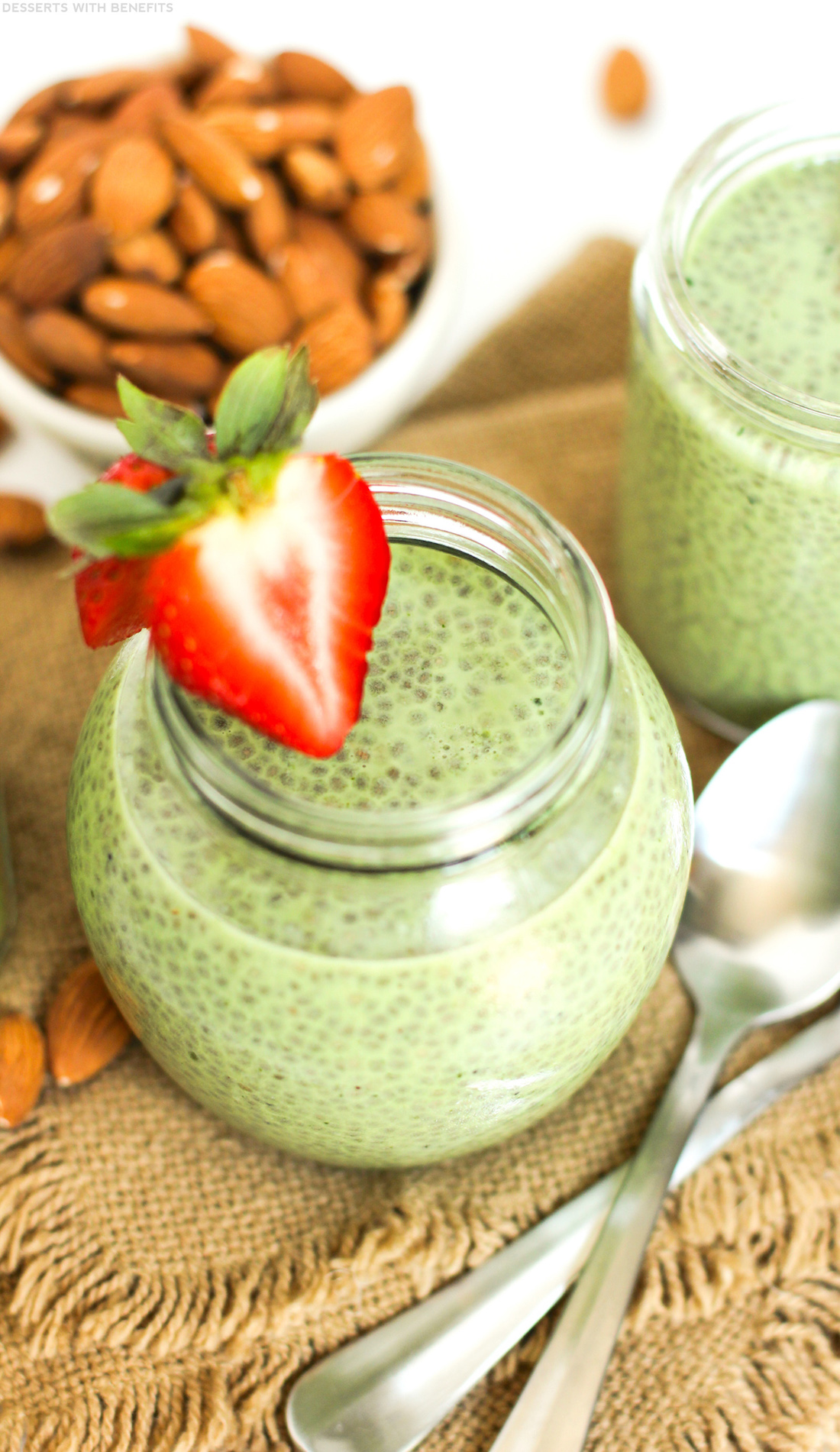
Chia seeds, known for their impressive nutritional profile and versatility in cooking, have been a staple ingredient in various cuisines around the world for centuries. These tiny seeds pack a powerful punch of fiber, protein, omega-3 fatty acids, and antioxidants, making them a popular choice for those looking to boost their overall health and well-being.
In Mexican cuisine, chia seeds have a rich history dating back to ancient Aztec and Mayan civilizations. Known as “Chian,” these seeds were highly prized for their energy-boosting properties and were often used by warriors before battle. Today, chia seeds are commonly mixed with water or fruit juices to create a refreshing drink called “chia fresca.” They are also added to desserts like flan or sprinkled on top of salads for an added crunch.
The Mediterranean region is no stranger to the benefits of chia seeds. In countries like Greece and Italy, these seeds are often used in baking bread or sprinkled on top of yogurt and fruit bowls. Chia seed pudding has also become a popular breakfast option in Mediterranean countries due to its creamy texture and health benefits.
Asian cuisine showcases the versatility of chia seeds in dishes ranging from savory to sweet. In countries like Japan and China, chia seeds are often incorporated into soups, stir-fries, and even sushi rolls for added texture. In India, chia seeds are commonly used in traditional drinks like falooda or mixed with coconut milk for a nutritious dessert known as “sabja kheer.”
Middle Eastern cuisine embraces the use of chia seeds in dishes such as falafel or hummus. These nutrient-dense seeds add a subtle nutty flavor when sprinkled on top of flatbreads or mixed into dips like baba ganoush. Chia seed-infused beverages like lemonade or iced tea are also enjoyed throughout the Middle East during hot summer months.
South American countries like Peru and Argentina have long incorporated chia seeds into their traditional dishes. In Peru, chia is combined with fruits like passionfruit to create delicious smoothies called “jugo de maracuyá con semillas de chía.” Argentinians enjoy using chia as an ingredient in alfajores (traditional cookies) or mixing it into mate (herbal tea).
In Africa, particularly regions like Ethiopia and Nigeria, indigenous communities have utilized chia seeds for generations due to their high nutrient content. Chia porridge is a common breakfast dish made by simmering the seeds with milk or water until they form a thick consistency similar to oatmeal.
European countries such as Spain and Germany have embraced the trend of incorporating chia seeds into modern recipes while still honoring tradition. Spanish chefs might sprinkle toasted chia on top of paella for an extra crunch, while German bakers include ground-up chia in bread recipes for added nutrition.
North America has seen an explosion of interest in using chias thanks to its superfood status among health-conscious consumers. From smoothie bowls in California cafes to energy bars found at New York City gyms – there’s no shortage of innovative ways Americans incorporate these tiny but mighty ingredients into their diets.
Regional variations exist within each country’s culinary landscape when it comes to utilizing this superfood ingredient:
– In Mexico: Chía fresca remains popular across different regions but may vary slightly depending on local fruits available.
– The Mediterranean: While Greek yogurt topped with honey-soaked walnuts is common; adding soaked chai adds another layer.
– Asia: Chinese stir-fry vegetables may be enhanced by sprinkling roasted chiaseeds at serving time; Japanese miso soup could benefit from this too.
– India: Sabja kheer is prevalent but could be tweaked based on regional spices preferences.
– The Middle East: Hummus garnished with pomegranate arils alongside black chiaseeds creates visual appeal along with taste.
– South America: Brazilian Açaí bowls can incorporate chiaseeds differently comparedto Peruvian quinoa salads
– African Countries: Ethiopian injera topped with lentil stew could potentially adopt soaking chiainstead
Local cultivation practices play an essential role not only economically but culturally too:
-The availabilityof local soil types influences where chai can successfully grow impacting agriculturalpractices
-Sustainable farming techniques ensure that future generations continue benefitingfrom thissuperfood
-Farmers’ knowledge handed down through generations enhances cultivation methods leadingto superior qualityseeds
Traditional dishes featuring chai illustrate how deeply ingrained theyare withinvarious cultures:
-Mexicanatoledechiais adeliciousbeverageconsistingofgroundchiathatisblendedwithcinnamonandnutmegbeforebeing heatedwithmilkandsugar
-TheMediterraneanlemon-poppyseed cake gets awellnessupgradebyreplacingpoppyseedswithchiatoaddfiberandomega3fattyacidstothisdessertfavorite
-InAsia,chickenstir-fryelevatesitsnutritionprofilebyaddinghydratedchiatoseasoningsforasatisfyingmealrichinproteinandfiber
Indigenous uses reflect howchaihas historicallybeen valued forthepurposeit servessuchasenergyboostingpropertiesorprovidingadequatehydrationduringlongjourneys.These insightsprovide valuablehistorical contextforwhychaiwasimportanttopeoplesurvivalandwell-beingoverthecenturies.Popularrecipesvarybycountrybutsharethebenefitsofincorporatingthissuperalimentintoone’sdiet.Modernadaptationsaretakingplacegloballyasinventivechefsexperimentwithinnovativewayschaicouldenhanceflavors,nutrition,andpresentationintheirdishes.Exploringuniqueapplicationscaninspireculinarycreativitywhilepromotinghealthyeatinghabitsamongdiverseculturalcontexts.Acrosscontinents,thelegacyofchaienduresasanutritionalpowerhousebringingpeopletogetherthroughsharedappreciationforwholesomeingredientsinourglobalpantry

Leave a Reply