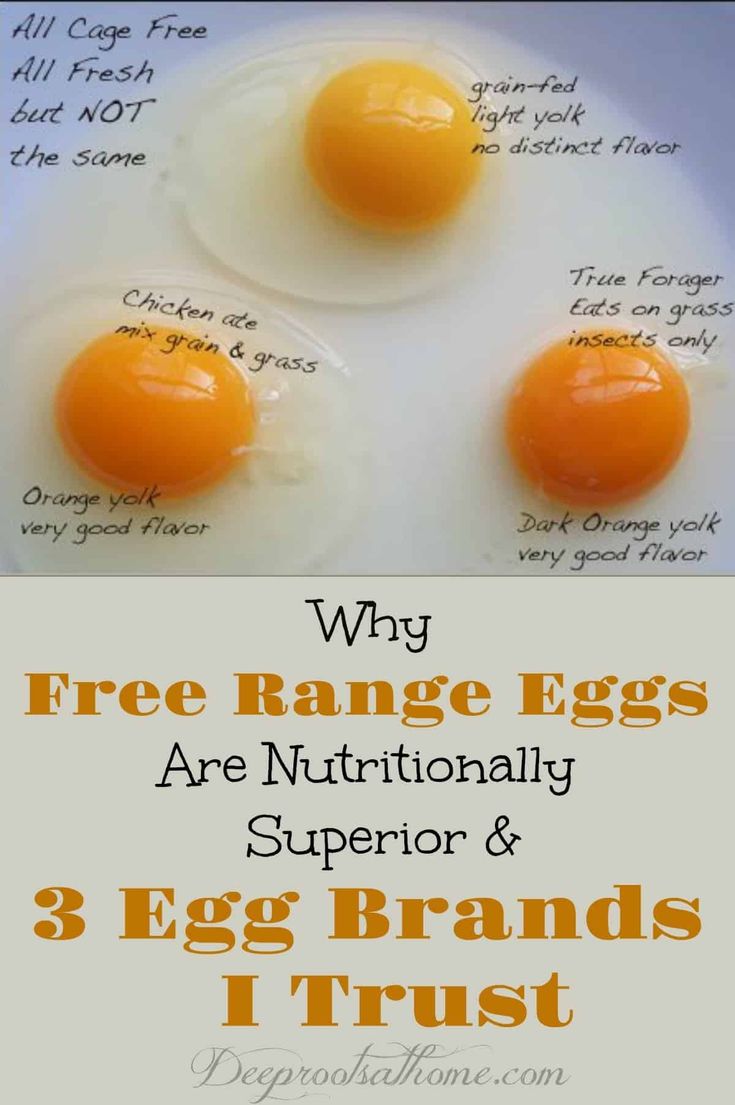
When it comes to free-range eggs, there are several important aspects to consider, including nutrient differences, environmental impact, omega-3 content, antibiotic use, welfare standards for hens, and more.
Nutrient Differences:
Free-range eggs tend to have higher levels of certain nutrients compared to conventional eggs. Studies have shown that free-range eggs may contain more vitamins A and E, as well as omega-3 fatty acids.
Environmental Impact:
Free-range egg production can have a lower environmental impact than conventional methods. Hens are given access to outdoor spaces where they can forage naturally, reducing the need for intensive farming practices.
Omega-3 Content:
Free-range eggs typically have higher levels of omega-3 fatty acids due to the hens’ natural diet that includes insects and plants rich in these beneficial fats.
Antibiotic Use:
In free-range egg farming, antibiotics are used less frequently than in conventional methods. This is due to the healthier living conditions of the hens and their reduced exposure to crowded environments.
Welfare Standards:
Free-range egg production often adheres to higher welfare standards compared to caged systems. Hens have access to outdoor areas where they can exhibit natural behaviors like scratching and dust bathing.
Comparison with Pasture-Raised Eggs:
While both pasture-raised and free-range eggs offer benefits over conventional options, pasture-raised eggs typically come from hens with even greater access to outdoor grazing areas.
Regulations on Labeling:
Labeling regulations vary by region but generally require that products labeled as “free-range” meet certain criteria regarding outdoor access for hens.
Feed Impact on Nutrition:
The feed given to free-range hens can influence the nutritional quality of their eggs. Organic feeds or those supplemented with nutrients like flaxseed can enhance the health benefits of the eggs produced.
Local Sourcing:
Choosing locally sourced free-range eggs supports small-scale farmers and reduces carbon emissions associated with transportation.
Certifications:
Look for certifications such as Certified Humane or USDA Organic when purchasing free-range eggs as these indicate adherence to specific production standards.
These points provide a comprehensive overview of various aspects related to free-range egg production that consumers should consider when making informed choices about their food purchases.

Leave a Reply