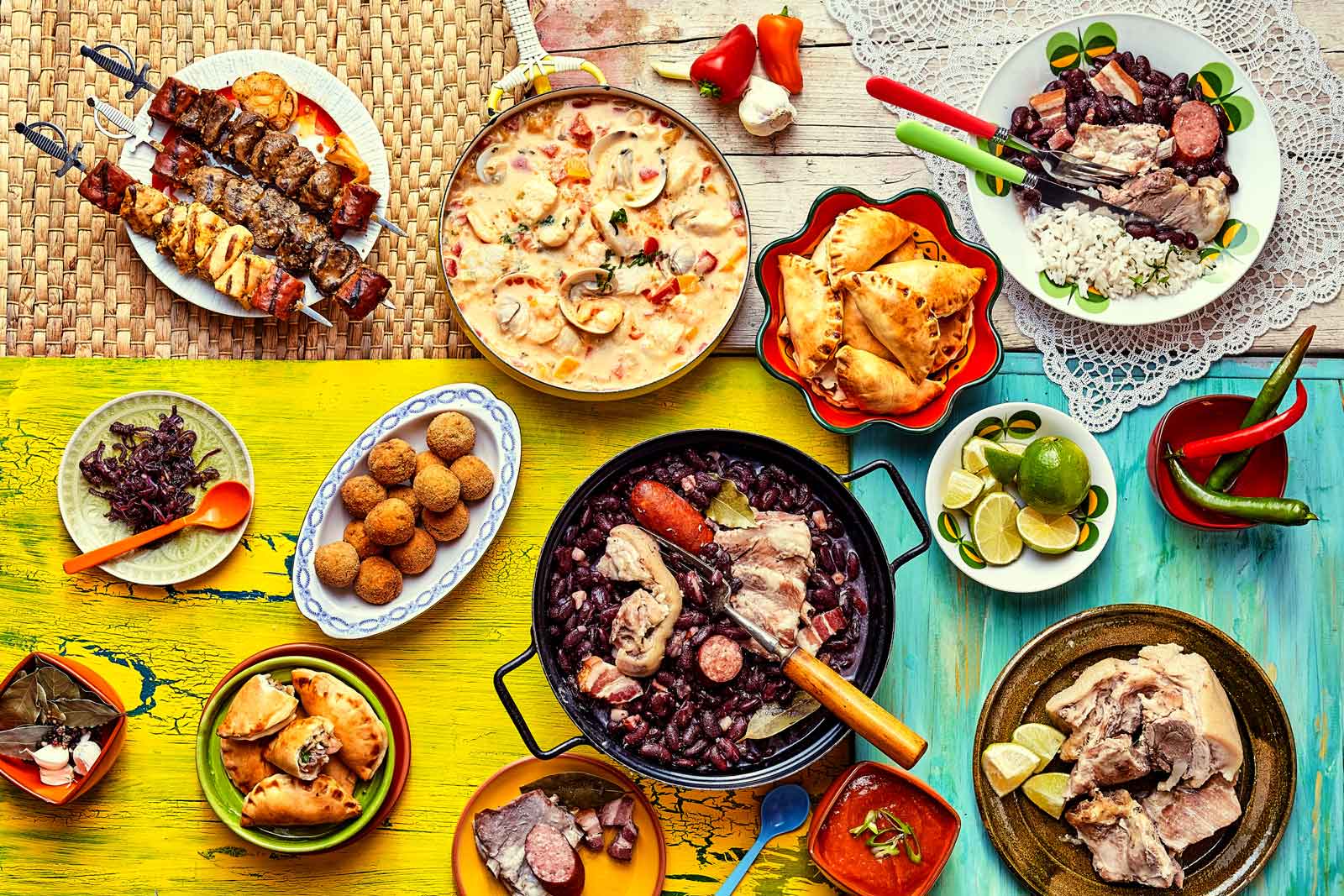
Brazilian cuisine is rich in flavors and traditions, offering a wide variety of dishes that cater to different dietary needs. For those following a gluten-free diet, exploring Brazilian specialties can open up a world of delicious options. In this article, we will delve into some popular gluten-free Brazilian dishes and ingredients that you can enjoy as part of a healthy eating lifestyle.
Q: What makes Brazilian cuisine unique when it comes to gluten-free options?
A: Brazilian cuisine is known for its diverse range of ingredients and culinary influences stemming from indigenous, African, Portuguese, and other European cultures. Many traditional Brazilian dishes are naturally gluten-free or can be easily adapted to fit a gluten-free diet. Ingredients like rice, beans, tapioca flour (also known as polvilho), yuca (manioc), fruits, vegetables, seafood, meats, and dairy products are commonly used in Brazilian cooking and are inherently free from gluten.
Q: Can you provide an overview of common staples in the Brazilian diet that are naturally gluten-free?
A: Certainly! Rice is a staple in most Brazilian meals and serves as the base for many dishes such as feijoada (a black bean stew), moqueca (a fish stew), and arroz carreteiro (beef with rice). Beans play a crucial role in Brazilian cuisine too; varieties like black beans (feijão preto) and pinto beans (feijão carioca) are frequently consumed alongside rice or incorporated into stews.
Tapioca flour or polvilho is widely used in Brazil to make items like pão de queijo (cheese bread) or tapioca crepes filled with sweet or savory fillings. Yuca root features prominently in both savory recipes like bobó de camarão (yuca shrimp stew) and sweet treats like bolo de mandioca (yuca cake).
Fruits such as mangoes, papayas, passion fruit, acerola berries rich in vitamin C complement the tropical palette of Brazil’s gastronomy. Fresh coconut water straight from the coconut itself provides hydration on hot days while grated coconut adds texture to desserts.
Seafood plays an essential role along coastal regions – think fresh fish grilled over charcoal fires or served with coconut milk-based sauces. Meats like churrasco-style barbecue offer flavorful protein options seasoned simply with salt before grilling.
Dairy products including various cheeses like Minas cheese add richness to many dishes while also being naturally free from gluten.
Q: Are there any specific regional specialties in Brazil that are especially suited for those following a gluten-free diet?
A: Absolutely! Each region of Brazil boasts distinct culinary traditions influenced by local ingredients and cultural heritage. In the Northeast region where tropical fruits abound,
acarajé stands out as a must-try dish for those looking for unique flavors without gluten concerns.
This street food specialty hails from Bahia state – it consists of deep-fried black-eyed pea fritters filled with vatapá
(a creamy paste made from bread crumbs/yuca)
and caruru sauce made using okra,
shrimp paste,
and palm oil.
The result is an explosion of textures
and tastes reminiscent
of West African roots intertwined with indigenous elements.
For dessert lovers,
quindim –
a golden-hued coconut flan topped with shredded coconut – offers sweetness without wheat flour.
In contrast,
the South region embraces hearty fare perfect for cooler climates;
one notable dish is barreado originating from Paraná state.
This slow-cooked beef stew features tender meat marinated overnight before being cooked within clay pots sealed using cassava-based dough.
The resulting rich broth imparts robust flavors ideal
for accompanying white rice or pirão – manioc flour porridge thickened after absorbing juices.
Moving towards Central-Western Brazil,
the Pantanal wetlands yield unique delicacies showcasing local produce;
pequi fruit contributes distinctive aromatics reminiscent
of coriander seeds when included within chicken stews known as galinhada com pequi.
Additionally,
farofa de banana combines roasted manioc flour sautéed alongside sliced bananas creating both crunchy & soft textures within one side dish.
Venturing into the Amazon rainforest yields opportunities
to sample exotic fruits not found elsewhere;
cupuaçu fruit finds applications beyond beverages ranging between mousses & ice creams due to its creamy consistency similar
to cocoa butter yet fruity taste profile akin tangerines mixed alongside chocolate notes.
Q: With so many tantalizing choices available,
do you have any tips for individuals looking to navigate dining out at restaurants while adhering strictly to their gluten-free diets? A:
It’s always helpful to do some research beforehand by checking online menus or reaching out directly to restaurants via phone/email about their offerings suitable for those requiring strict adherence toward maintaining their dietary needs such as avoiding cross-contamination risks linked toward shared kitchen utensils/equipment used across multiple recipes containing wheat-based components.
Furthermore,
it may be beneficial
to learn basic phrases related
toward explaining your dietary restrictions
in Portuguese if visiting non-touristy areas lacking fluent English speakers;
phrases could include:
“Eu não posso comer glúten” meaning “I cannot eat Gluten”,
or “Tenho alergia ao trigo” indicating “I have an allergy
to Wheat.”
Lastly,
if unsure about potential hidden sources contributing towards unintentional exposure despite menu clarification,
opting
for naturally GF-items such
as grilled meats/fresh salads featuring olive oil & vinegar dressing could minimize risks associated
with accidental ingestion.
Brazilian cuisine offers countless possibilities
for those navigating
gluten-intolerances,
each bite unveiling layers
of history intertwined
with vibrant flavor profiles.
Delving deeper
into these culinary treasures unveils
how creativity intertwines
with tradition yielding memorable meals meant
not just
for sustenance but also celebrating life’s moments around communal tables.
Whether sampling classic staples
like feijoada
or indulging
in lesser-known regional gems—every bite tells
a story reflecting
the tapestry
that comprises Brazillian culture.
So next time youre craving something new why not venture into B razil ian g l uten -f re e s pec iali ties ?

Leave a Reply