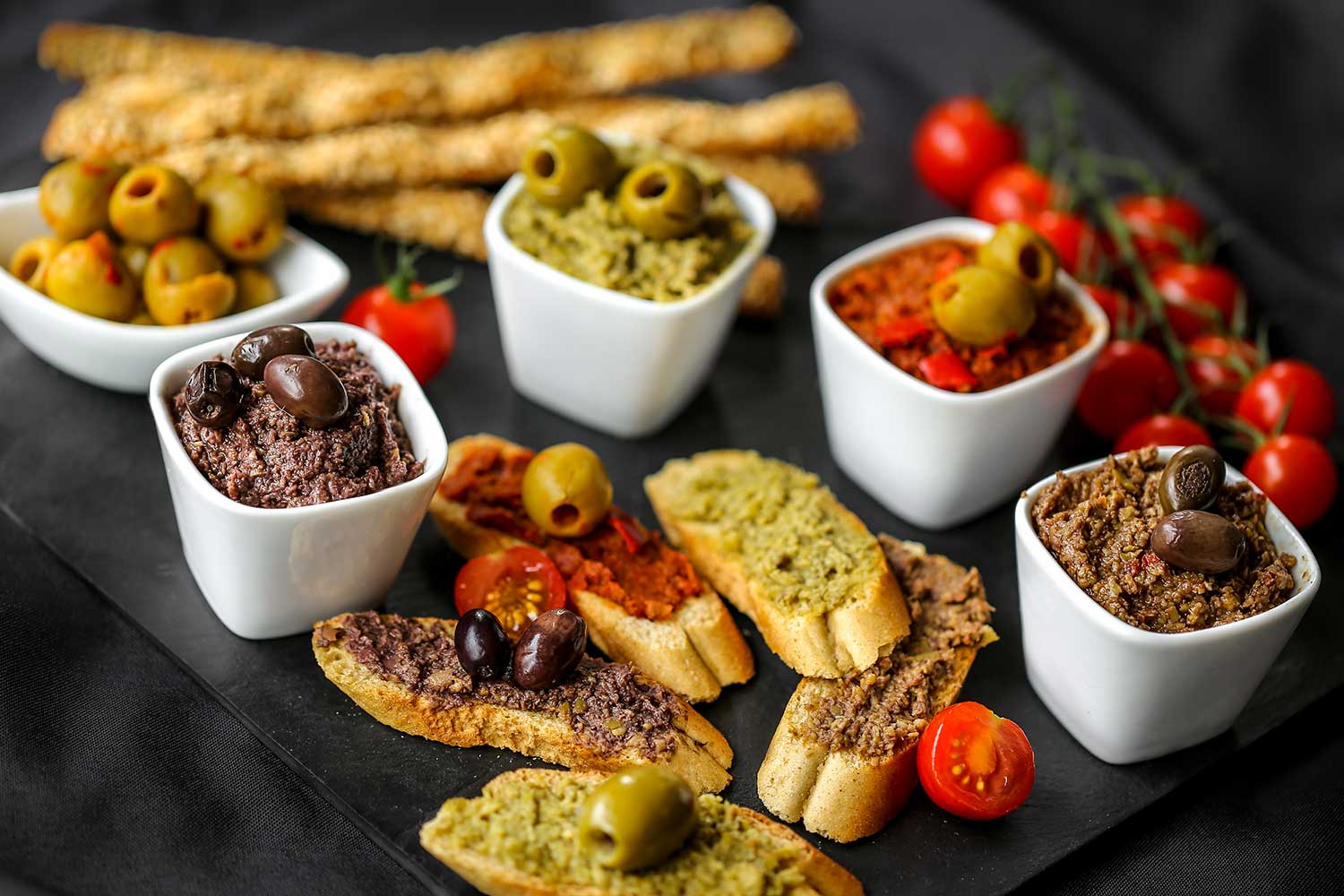
French culinary traditions have long been celebrated for their artistry, sophistication, and dedication to quality ingredients. From crusty baguettes to decadent pastries, French cuisine embodies a rich tapestry of flavors and techniques that have captivated taste buds around the world.
One quintessential aspect of French gastronomy is the importance placed on fresh, seasonal ingredients. French chefs take pride in sourcing the finest produce, meats, and seafood available, often from local markets or specialty vendors. This commitment to quality is evident in every dish prepared – whether it’s a simple salad nicoise or a complex coq au vin.
Another hallmark of French cuisine is its emphasis on balance and harmony in flavors. Traditional French dishes often combine sweet with savory, creamy with crunchy, and tangy with rich elements to create a symphony of tastes on the palate. Sauces play a crucial role in many classic recipes, adding depth and complexity to dishes such as boeuf bourguignon or duck confit.
French dining etiquette also plays a significant role in the overall culinary experience. Meals are typically enjoyed slowly and leisurely, with multiple courses served over several hours. Dining is seen as a social event meant to be savored and enjoyed with good company.
While traditional French cuisine may not always align with modern notions of “healthy eating,” there are certainly ways to incorporate aspects of this culinary tradition into a balanced diet. By focusing on fresh ingredients, mindful portion sizes, and savoring each bite mindfully, one can enjoy the pleasures of French cooking while still prioritizing health.
In conclusion, French culinary traditions offer a delightful blend of history, culture, and flavor that continue to inspire food lovers worldwide. Whether you’re indulging in a croissant au beurre or preparing ratatouille at home, embracing the spirit of French cuisine can add an element of elegance and joy to your dining experience.

Leave a Reply