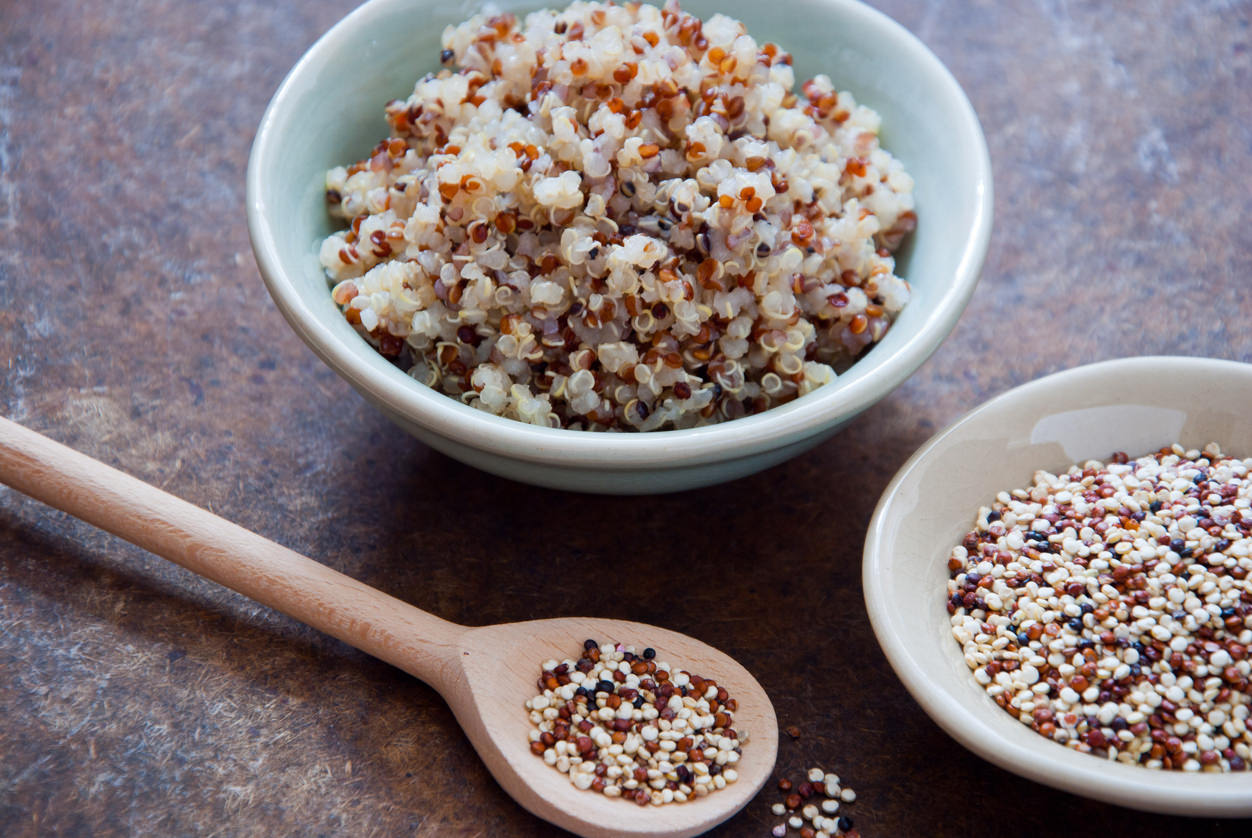
Quinoa, pronounced “keen-wah,” is a superfood that has been gaining popularity in recent years for its impressive nutritional profile and versatility in the kitchen. This ancient grain, which is technically a seed, has been cultivated for thousands of years in the Andes region of South America and was considered by the Incas to be the “mother of all grains.”
One of the main reasons why quinoa has become such a beloved ingredient among health-conscious individuals is its incredible nutrient density. Quinoa is a complete protein, meaning it contains all nine essential amino acids that our bodies cannot produce on their own. This makes it an excellent plant-based source of protein for vegetarians and vegans. In addition to protein, quinoa is also rich in fiber, vitamins (such as B vitamins and vitamin E), minerals (like magnesium, iron, zinc, and potassium), and antioxidants.
Another benefit of quinoa is its gluten-free status, making it a suitable option for those with celiac disease or gluten sensitivity. It’s also easy to digest compared to some other grains, making it gentle on the stomach.
Quinoa’s versatility in cooking makes it a fantastic ingredient to incorporate into your meals. It can be used in both sweet and savory dishes – from breakfast bowls and salads to soups, stews, stir-fries, and even baked goods like muffins or cookies. Quinoa cooks relatively quickly compared to other whole grains; simply rinse it well before cooking to remove any bitter coating called saponin.
When preparing quinoa, you can cook it using water or broth for added flavor. Use a 1:2 ratio of quinoa to liquid (for example, 1 cup quinoa to 2 cups water) and bring it to a boil before simmering until all the liquid is absorbed – usually about 15-20 minutes.
To enhance the taste and texture of your cooked quinoa, consider mixing in herbs like parsley or cilantro, adding citrus juice like lemon or lime for brightness, incorporating roasted vegetables for depth of flavor or tossing in nuts/seeds for crunch.
Incorporating more quinoa into your diet can have numerous health benefits such as improved digestion due to its high fiber content; better blood sugar control thanks to its low glycemic index; increased satiety which may aid weight management; enhanced heart health due to its healthy fats; and overall improved energy levels because of its nutrient density.
In conclusion,
Whether you’re looking for a nutritious alternative grain option or seeking ways to boost your protein intake while maintaining variety in your meals – look no further than this versatile powerhouse seed known as quinea!

Leave a Reply