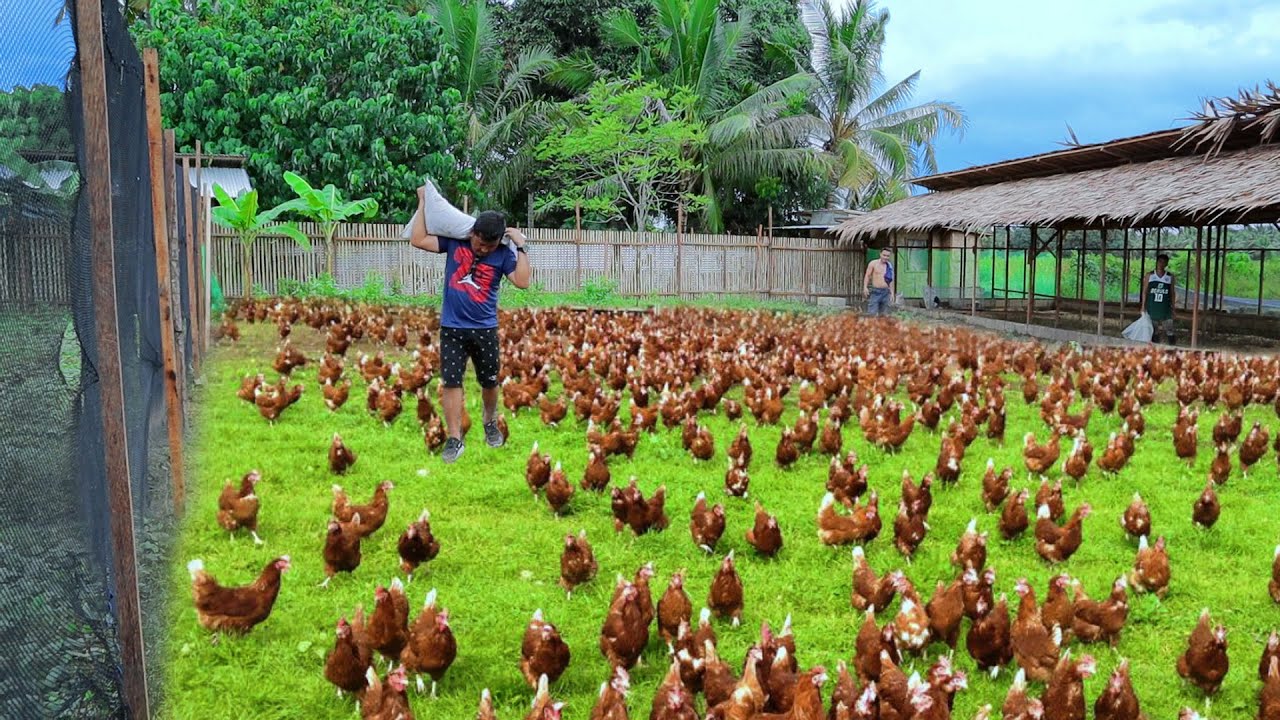
Free-range egg production has a significant impact on local ecosystems as it promotes biodiversity and natural pest control. By allowing hens to roam freely outdoors, they can forage for insects and plants, reducing the need for chemical pesticides in the environment. This practice helps maintain a healthy balance within the ecosystem by supporting beneficial wildlife and plant species.
Differentiating between organic and free-range eggs is essential for consumers looking to make informed choices. While both types of eggs offer certain benefits, free-range eggs specifically refer to how the hens are raised with access to outdoor space. On the other hand, organic eggs come from hens that are fed an organic diet without synthetic pesticides or antibiotics.
Nutritionally, free-range eggs have been found to contain higher levels of omega-3 fatty acids and vitamins A and E compared to conventional eggs. These nutrients are beneficial for heart health, vision, and immune function, making free-range eggs a valuable addition to a balanced diet.
Properly storing free-range eggs is crucial for maintaining freshness and quality. It’s recommended to store them in their original carton in the refrigerator rather than on the door where temperatures fluctuate more frequently. This helps preserve their flavor and texture while minimizing the risk of contamination.
When it comes to labeling regulations, standards vary by country but generally require that free-range egg producers provide adequate access to outdoor areas for their hens. These regulations help ensure transparency in labeling practices so consumers can make informed decisions about their purchases.
The carbon footprint of free-range egg farming is lower compared to intensive indoor farming methods due to reduced energy consumption for lighting and heating facilities. Additionally, free-range systems often incorporate sustainable practices such as rotational grazing which can further reduce environmental impact.
Around the world, free-range egg farming practices may differ based on regional climate conditions and agricultural traditions. In some countries, mobile hen houses are used to move hens across pastures regularly while in others permanent outdoor enclosures are established.
The history of free-range egg production dates back centuries when chickens were allowed to roam freely on farms before industrialized agriculture became widespread. Today, there is a growing interest in returning to more traditional farming methods like free-ranging poultry due…
(Continued)

Leave a Reply