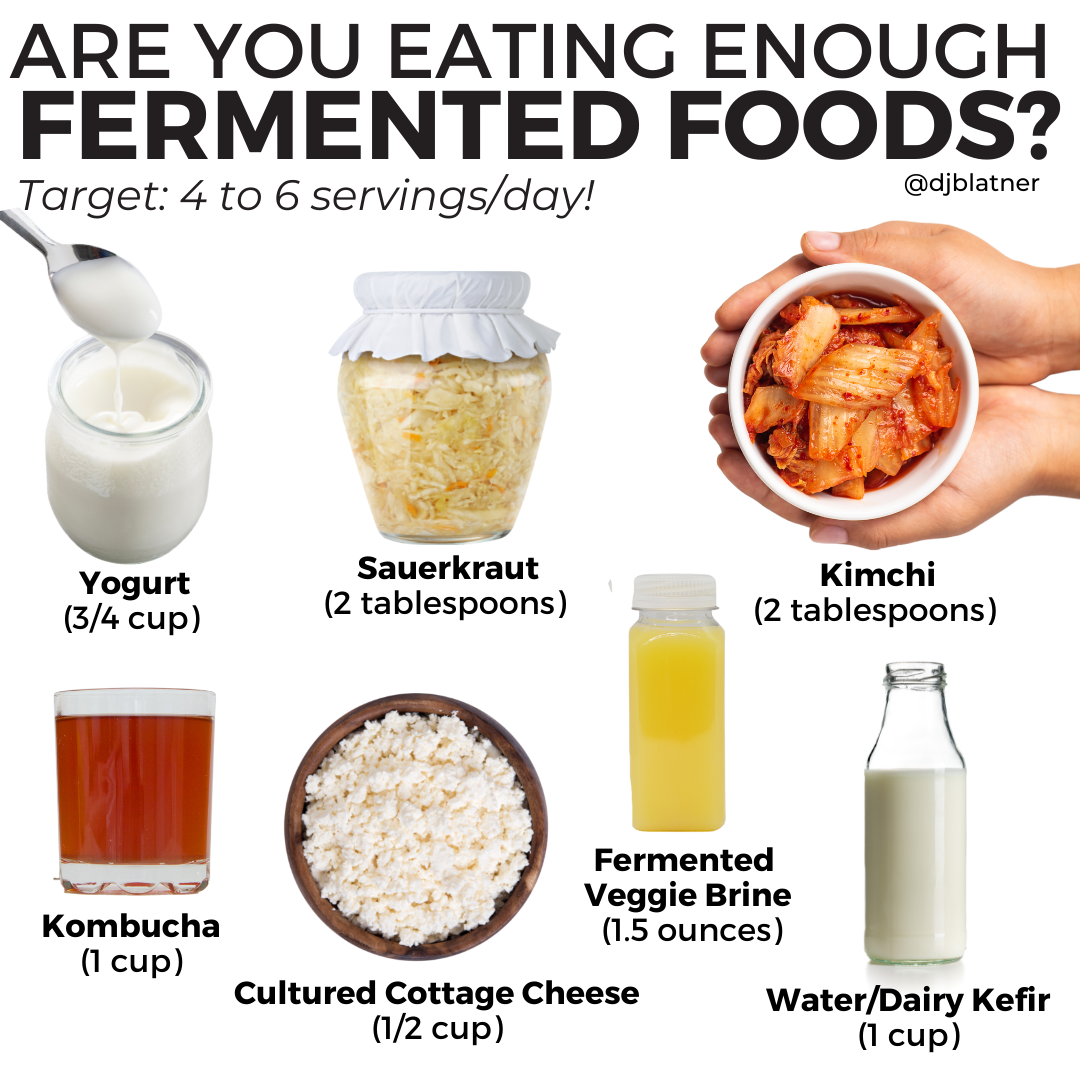
Fermented foods have gained popularity in recent years due to their numerous health benefits. Fermentation is a natural process that involves the breakdown of sugars by bacteria and yeast, resulting in beneficial probiotics, enzymes, and nutrients. Consuming fermented foods such as yogurt, kimchi, sauerkraut, and kombucha can help improve digestion, boost immunity, and promote overall gut health. These foods also contain higher levels of vitamins and minerals than their non-fermented counterparts. Additionally, fermentation can increase the bioavailability of nutrients in food, making it easier for our bodies to absorb essential vitamins and minerals.
When it comes to farming practices, organic farming stands out as a more sustainable and environmentally friendly option compared to conventional methods. Organic farming prohibits the use of synthetic pesticides, herbicides, and fertilizers that can harm the environment and human health. Instead, organic farmers rely on natural methods like crop rotation, composting, and biological pest control to maintain soil fertility and prevent pests. By choosing organic products over conventionally grown ones, consumers support practices that prioritize soil health preservation and biodiversity conservation.
Soil health plays a crucial role in organic farming as healthy soil translates to nutritious crops with robust immune systems against pests and diseases. Organic farmers focus on building soil structure through techniques like cover cropping, mulching, and minimal tillage to enhance water retention capacity and nutrient availability for plants. Healthy soil also sequesters carbon from the atmosphere which helps mitigate climate change impacts by reducing greenhouse gas emissions.
Reducing food waste is an important aspect of sustainable living as wasted food contributes significantly to environmental pollution through methane emissions in landfills. To reduce food waste sustainably at home, individuals can plan meals ahead of time based on what they already have in their pantry or fridge; store leftover ingredients properly for future use; utilize vegetable scraps for making broths or composting; donate excess non-perishable items to local food banks; or preserve fruits and vegetables through freezing or pickling.
For beginners looking to start an organic garden at home but are unsure where to begin – consider starting small with easy-to-grow herbs like basil or parsley before expanding into vegetables like tomatoes or peppers. Choose organic seeds or seedlings from reputable sources to ensure they are free from genetically modified organisms (GMOs) or synthetic chemicals. Practice regular watering schedules using rainwater when possible; enrich your soil with compost or organic fertilizers; rotate crops annually within your garden beds; monitor plant health regularly for signs of pests or diseases without immediately resorting to chemical treatments.
Understanding the impact of pesticides on human health is crucial when considering food choices between conventional vs organic options – pesticide residues found on conventionally grown produce have been linked to various health issues including hormone disruption cancer risks developmental disorders among others whereas consuming organically grown fruits veggies reduces exposure these harmful chemicals promoting better long-term well-being especially children pregnant women sensitive individuals
When shopping for organic products on a budget look local farmer’s markets co-ops bulk sections grocery stores discount chains seasonal sales online retailers clearance items consider buying certain items conventional if less prone pesticide residue opt frozen canned versions more affordable fresh produce stock up dry goods legumes grains sale compare prices different brands sizes packaging be mindful portion control avoid wastage
Organic wines offer several potential advantages over traditional wines since they made grapes grown without synthetic chemicals preservatives sulfites minimize hangover effects allergic reactions associated consumption contain antioxidants polyphenols protect cells damage reduce inflammation risk chronic conditions heart disease type 2 diabetes moderate alcohol consumption recommend enjoying wine part balanced lifestyle
Probiotics play key role maintaining healthy gut flora improving digestion boosting immunity supporting mental wellness fermented foods supplements provide beneficial bacteria body need balance harmful pathogens regulate intestinal function reduce inflammation aid absorption nutrients production neurotransmitters communicate brain positively impacting mood cognitive function stress response skin condition
Non-dairy milk alternatives increasingly popular choice people lactose intolerant dairy-free diets preferences almond soy oat rice coconut hemp flaxseed pea nut milks available market fortified calcium vitamin D vitamin B12 varieties cater specific needs tastes preferences nutritional profiles vary widely may enriched additional nutrients protein avoiding cow’s milk allergies sensitivities ethical environmental concerns associated animal agriculture cruelty deforestation greenhouse gas emissions water usage
Organic teas come diverse range flavors types green black white oolong herbal rooibos matcha chai blends each unique properties benefits some high antioxidant content anti-inflammatory anti-cancer properties digestive support relaxation stress relief energy enhancement weight management caffeine-free options sleep aid detoxification hydration choose loose leaf bagged tea bags biodegradable silk sachets quality freshness taste steeped multiple times maximize enjoyment effectiveness storage cool dark place away direct sunlight moisture air exposure prolong shelf-life maintain flavor potency ideal brewing temperatures times infusion periods achieve desired strength aroma complexity taste profile recommended individual preference experimentation trial error discover perfect cup tea experience ritual mindfulness self-care routine
Growing own herbs home rewarding experience provides fresh flavorful ingredient cooking aromatherapy therapeutic purposes start small manageable selection popular culinary mint basil cilantro chives dill parsley rosemary thyme sage oregano lavender plant sunny location adequate drainage fertile well-draining soil regularly watered pruned encourage growth prevent overcrowding competing resources light requirements vary species generally prefer full partial sunlight harvesting leaves stems pruning flowering promote bushy compact growth extend lifespan harvest often gently remove mature pinch back flowers buds foliage used fresh dried stored sealed containers cool dark place retain optimal flavor fragrance potency avoid moisture heat fluctuations pest infestations remember research specific care instructions chosen herb adapt conditions accordingly enjoy benefits gardening connecting nature enhancing culinary repertoire soothing senses beautifying living space

Leave a Reply