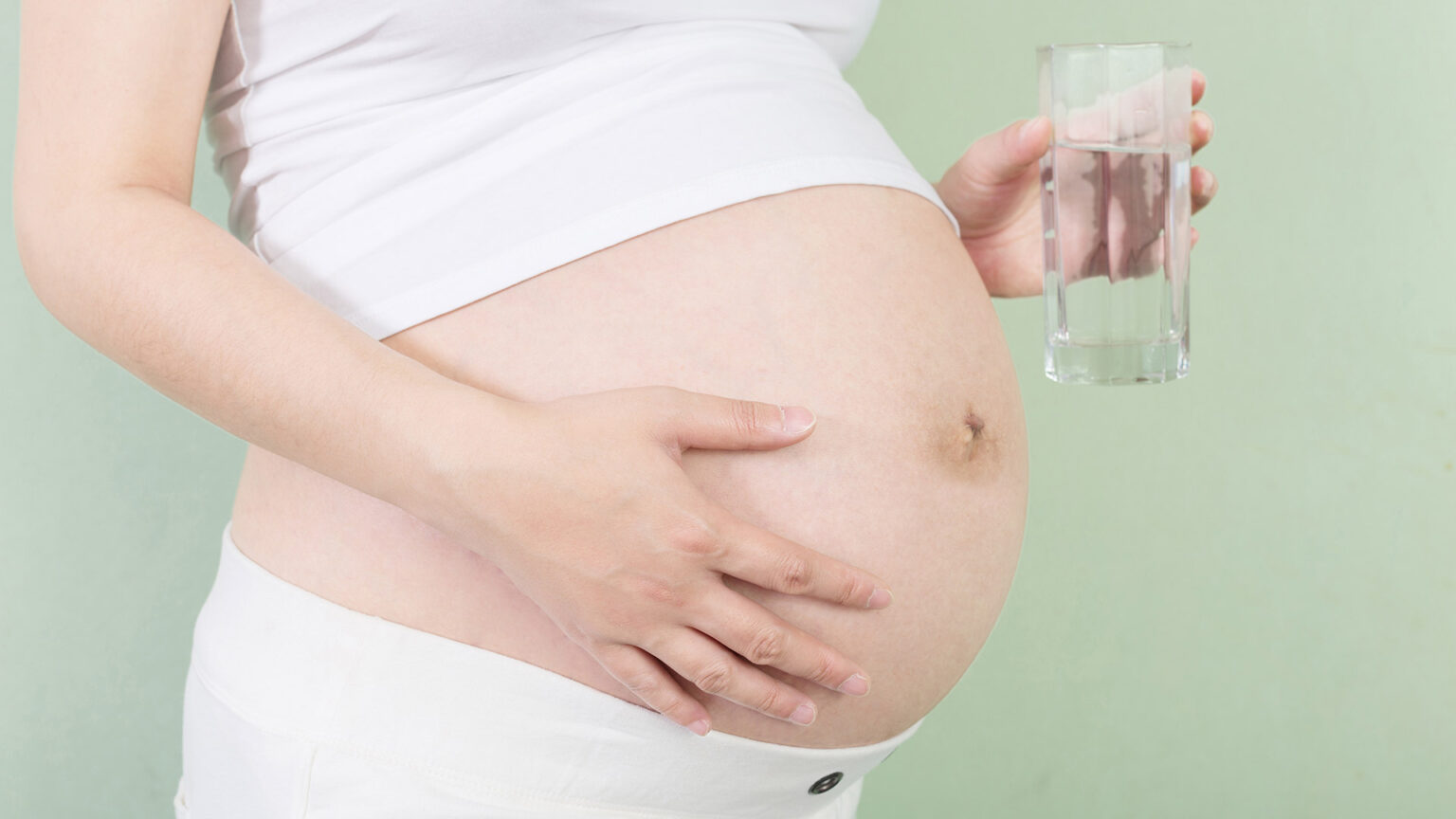
During pregnancy, staying properly hydrated is crucial for both the mother’s health and the development of the growing baby. Water plays a vital role in maintaining bodily functions, transporting nutrients, regulating body temperature, and aiding digestion. The recommended daily water intake during pregnancy is higher than when not pregnant to support the increased blood volume, amniotic fluid, and overall metabolic processes.
Pregnant women should aim to drink around 8-10 cups (64-80 ounces) of water per day, but individual needs may vary based on factors such as activity level, climate, and overall health. It’s essential to listen to your body and increase fluid intake if you feel thirsty or are experiencing symptoms of dehydration such as dark urine, dizziness, or dry mouth. Dehydration during pregnancy can lead to complications like urinary tract infections, preterm labor, or low amniotic fluid levels.
In addition to water consumption, hydrating foods can also contribute significantly to meeting hydration needs during pregnancy. Fruits like watermelon, strawberries, oranges, and vegetables such as cucumbers and tomatoes have high water content and provide essential vitamins and minerals beneficial for both mom and baby. Including these hydrating foods in meals and snacks throughout the day can complement water intake and promote overall hydration.
While it’s essential to stay hydrated during pregnancy, it’s equally important to monitor caffeine intake as excessive caffeine consumption can have a diuretic effect leading to dehydration. Pregnant women are generally advised to limit caffeine intake to about 200mg per day (equivalent to one 12-ounce cup of coffee). Opting for decaffeinated beverages or herbal teas can be good alternatives for those looking to reduce their caffeine intake while staying hydrated.
In conclusion,
hydration plays a critical role in supporting a healthy pregnancy by aiding in nutrient transport,
temperature regulation,
and overall well-being.
By incorporating an adequate amount of fluids through
water consumption,
hydrating foods,
and mindful monitoring of caffeine intake,
pregnant women can help ensure proper hydration levels necessary for their own health
and that of their developing baby.
Always consult with a healthcare provider regarding specific hydration needs based on individual circumstances
to promote a safe
and healthy pregnancy journey through proper hydration practices.

Leave a Reply