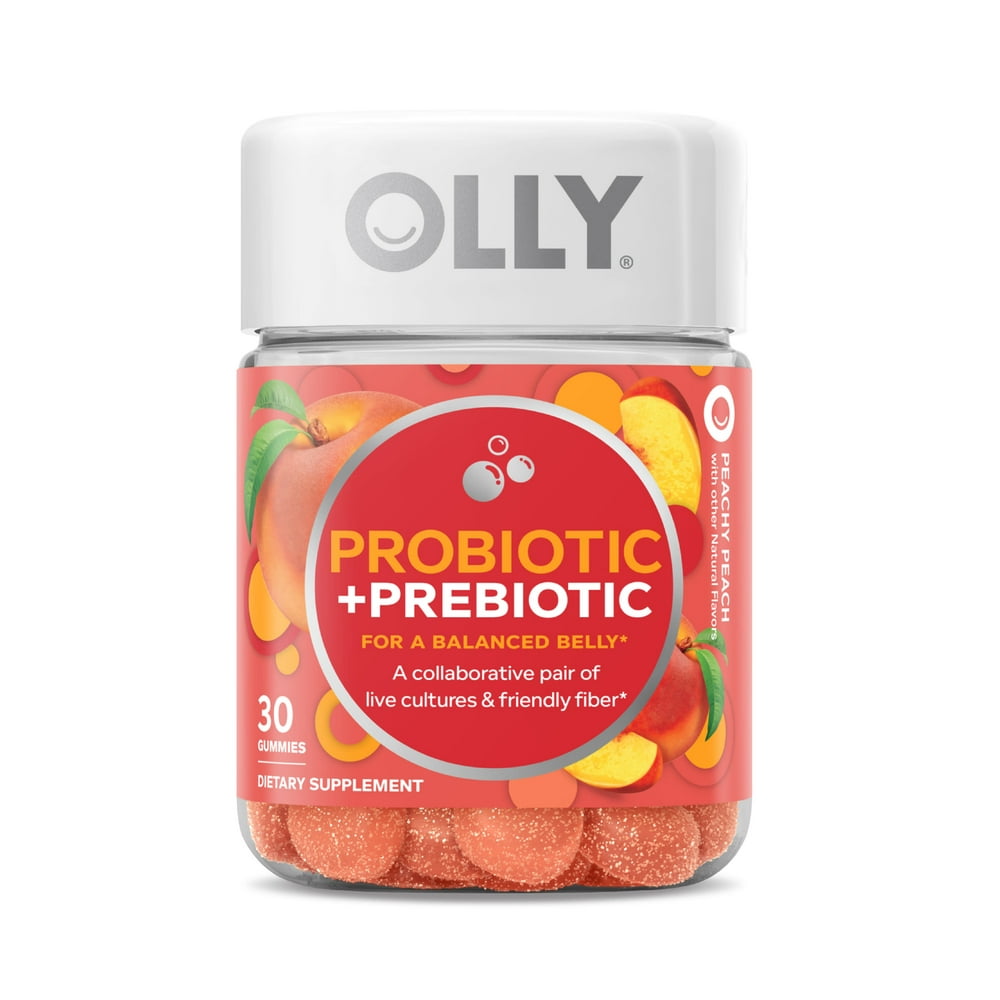
Maintaining good gut health is crucial for overall well-being, as the gut plays a significant role in digestion, nutrient absorption, and even immune function. When the balance of bacteria in the gut is disrupted, it can lead to various digestive issues such as bloating, gas, constipation, or diarrhea. Luckily, there are several supplements available that can help promote a healthy gut environment and support digestive health.
Probiotics are one of the most popular types of supplements for gut health. These live bacteria and yeasts are beneficial for your digestive system when consumed in adequate amounts. Probiotics work by restoring the natural balance of bacteria in your gut and promoting a healthy digestive tract. They can be found in foods like yogurt, kefir, sauerkraut, and kimchi but are also available in supplement form.
Prebiotics are another type of supplement that can benefit your gut health. Unlike probiotics which introduce beneficial bacteria into your gut directly, prebiotics act as food for these beneficial bacteria already present in your colon. By consuming prebiotic supplements or foods rich in prebiotic fibers like onions, garlic, bananas, and whole grains, you can help nourish the existing good bacteria in your gut.
Digestive enzymes are essential compounds that help break down food into nutrients that our bodies can absorb. As we age or experience certain health conditions, our bodies may produce fewer digestive enzymes leading to poor digestion and nutrient absorption. Digestive enzyme supplements can aid in this process by assisting the body’s natural digestive functions and improving overall gastrointestinal health.
Fiber supplements are also valuable for maintaining good gut health. Fiber plays a crucial role in promoting regular bowel movements and preventing constipation. Soluble fiber helps feed the beneficial bacteria in your gut while insoluble fiber adds bulk to stool aiding its passage through the intestines more effectively.
Fish oil supplements containing omega-3 fatty acids have been shown to have anti-inflammatory properties that may benefit individuals with inflammatory bowel diseases such as Crohn’s disease or ulcerative colitis. Omega-3 fatty acids help reduce inflammation throughout the body including the lining of the intestines which could contribute to improved gut health.
Glutamine is an amino acid that serves as fuel for cells lining the intestines helping them regenerate and remain healthy. Supplementing with glutamine may be particularly useful for individuals with leaky gut syndrome where intestinal permeability is compromised allowing toxins to pass through causing inflammation.
Collagen peptides have gained popularity not only for their benefits on skin elasticity but also their potential positive effects on gut health. Collagen is essential for maintaining healthy connective tissues within the gastrointestinal tract which could aid digestion and promote overall gut integrity.
Herbal remedies like licorice root extract or slippery elm bark have been traditionally used to soothe irritated mucous membranes within the gastrointestinal tract providing relief from conditions such as heartburn or gastritis.
It’s important to note that while these supplements can be beneficial for many individuals seeking to improve their gut health; they should not replace a balanced diet rich in fruits, vegetables,
whole grains
and lean proteins.
Consulting with a healthcare provider before starting any new supplement regimen is recommended especially if you have underlying medical conditions or taking medications
that could interact with these products.
Overall,
incorporating some of these
gut-health-focused
supplements into your daily routine along with a balanced diet may contribute significantly towards enhancing digestion,
nutrient absorption,
and supporting optimal
immune function.
Remember,
a holistic approach including lifestyle factors like stress management
adequate sleep
regular exercise will further complement these efforts towards achieving optimal wellness from within!

Leave a Reply