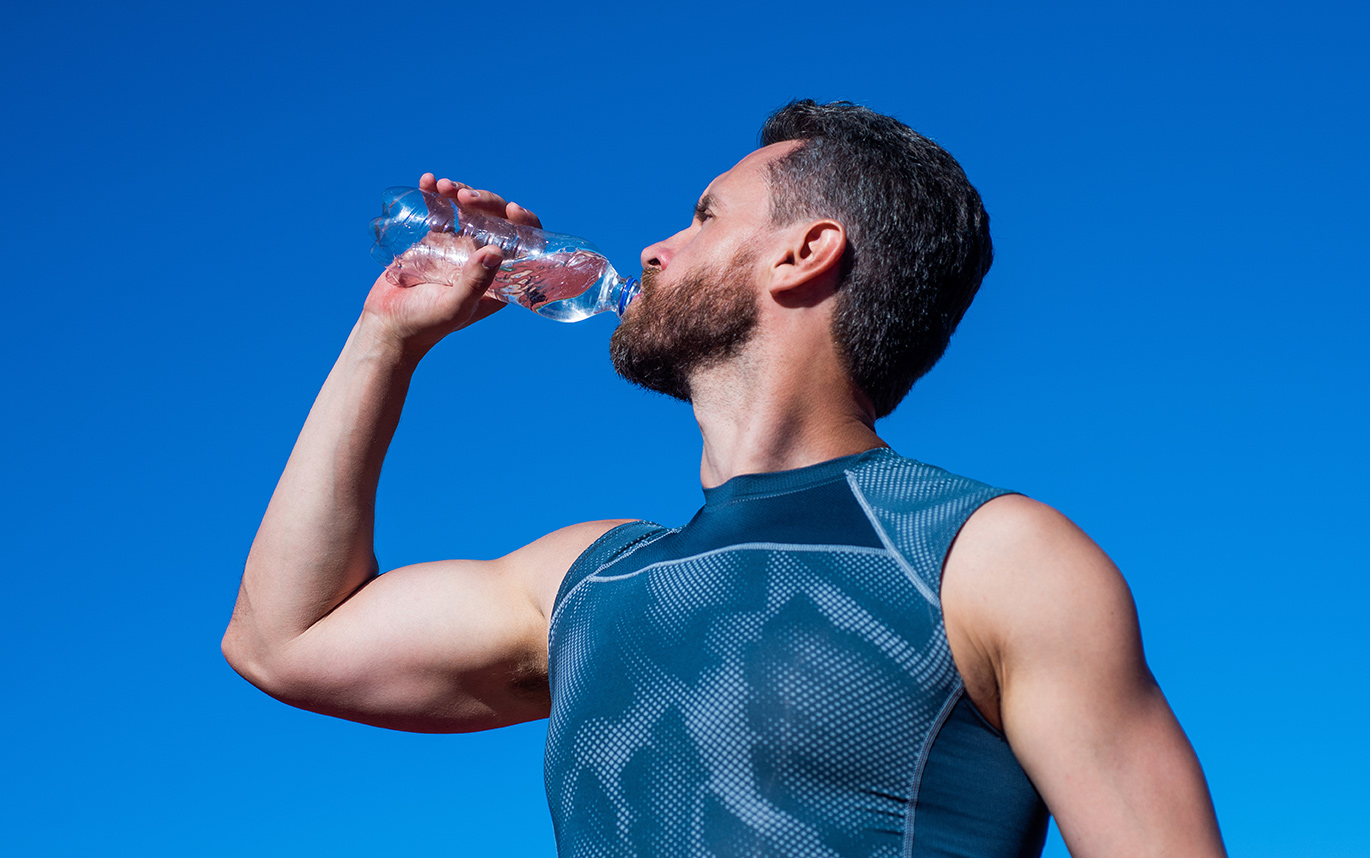
Athletes put their bodies through intense physical activity that requires proper hydration to perform at their best. Staying well-hydrated is crucial for athletes, as even mild dehydration can negatively impact performance and increase the risk of injury. In this retrospective post, we will delve into the importance of hydration for athletes, the signs of dehydration, strategies for staying hydrated, and how advancements in sports science have improved our understanding of optimal hydration practices.
Hydration is essential for maintaining normal body functions and regulating body temperature during exercise. When you’re active, your body loses fluids through sweat as it works to cool down. Dehydration occurs when you lose more fluids than you take in, leading to an imbalance that can impair physical performance. Even a small amount of dehydration – as little as 2% loss in body weight – can have detrimental effects on athletic performance by reducing endurance, strength, and overall cognitive function.
Recognizing the signs of dehydration is key for athletes to address fluid imbalances before they impact their performance. Common symptoms include increased thirst, dry mouth, dark yellow urine (or decreased frequency), fatigue or weakness, dizziness or lightheadedness, and muscle cramps. If left unaddressed, severe dehydration can lead to heat exhaustion or heat stroke – serious conditions that require immediate medical attention.
To prevent dehydration and optimize athletic performance, athletes must prioritize adequate fluid intake before, during, and after exercise. The American College of Sports Medicine recommends drinking about 17-20 ounces of water two to three hours before exercising and another 8 ounces shortly before starting your workout. During exercise sessions lasting longer than one hour or those conducted in hot environments where sweat loss is higher, consuming additional fluids with electrolytes is beneficial to replace lost sodium and potassium.
During exercise itself—especially prolonged bouts—a general guideline is consuming 7-10 ounces every 10-20 minutes depending on individual needs like sweat rate intensity level etcetera . However , exact fluid requirements vary based on factors such as climate conditions , personal sweat rates , fitness levels , duration , type intensity workout etcetera .
Post-exercise rehydration is equally important in restoring fluid balance and aiding recovery after strenuous activity . Consuming beverages rich in carbohydrates protein electrolytes consumed within thirty minutes post session help replenish glycogen stores repair muscles tissue while replacing lost fluids minerals salts etcetera further improving recovery process .
Advancements in sports science have revolutionized how we approach hydration strategies for athletes . Through research studies athlete monitoring tools like heart rate monitors GPS devices wearable technology experts now better understand individualized hydration needs enabling tailored recommendations specific sports activities environmental factors .
For instance advanced sweat testing techniques monitor sodium concentrations perspiration helping devise personalized electrolyte replacement plans prevent hyponatremia over-hydration condition caused excessive water consumption dilutes blood sodium levels potentially dangerous consequences Combining data analytics physiological markers coaches nutritionists work together create comprehensive hydration protocols maximize athlete potential reduce risks associated improper fluid management .
In addition smart water bottles apps track daily consumption reminders stay hydrated throughout day promoting habits beyond training sessions ensuring consistent optimal levels maintain peak performance goals reach personal bests without compromising health safety top priorities competitive advantage field court wherever sport takes them .
As we look back at the evolution understanding hydration practices within athletic community it’s clear significance staying well-hydrated cannot overstated Properly managing fluid intake crucial aspect optimizing physical mental capabilities preventing injuries illnesses hamper progress journey towards success Whether elite professional athlete weekend warrior recreational enthusiast everyone between knowledge power empower make informed choices benefit overall well-being longevity vitality life . Stay hydrated stay winning!

Leave a Reply