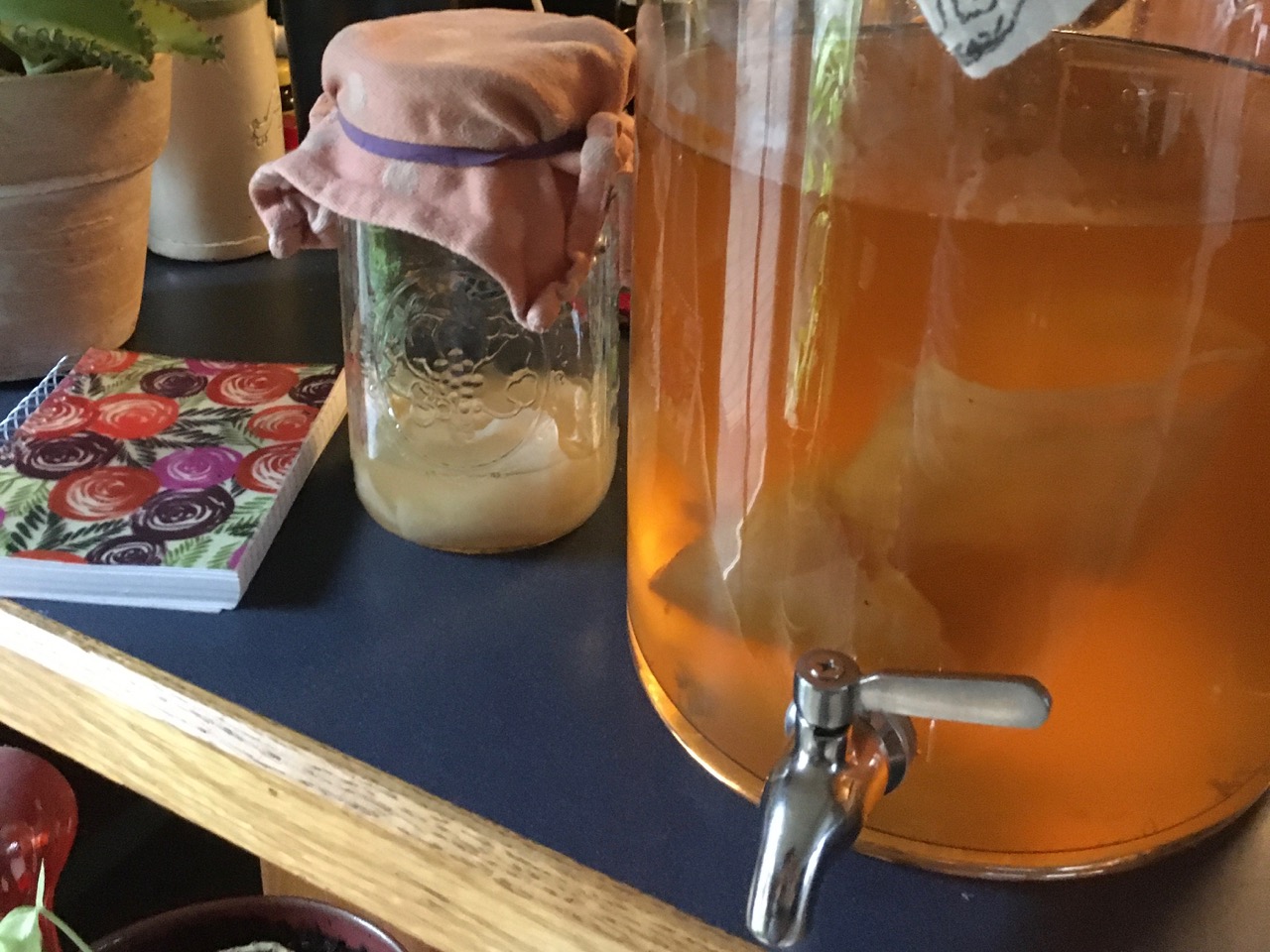
Traditional kombucha brewing in Japan has a rich history that dates back centuries. Known as “kocha kinoko” in Japanese, kombucha is made by fermenting sweetened tea with a symbiotic culture of bacteria and yeast, often referred to as SCOBY. The process begins by preparing a strong black or green tea, to which sugar is added before the SCOBY is introduced. The mixture is then left to ferment for about 7-10 days at room temperature.
In Japan, traditional kombucha brewing techniques are passed down through generations, with each family having its own unique recipe and method. Some households add herbs or fruits during the fermentation process to infuse different flavors into the final product. The resulting Japanese kombucha is typically less fizzy than its Western counterparts but boasts a delicate balance of sweet and sour flavors.
Moving on to South Korea, where kombucha variations have taken on their own distinct characteristics. In Korea, the beverage is known as “hongchabeoseotcha,” which translates to red mushroom tea due to the color of the SCOBY used in brewing. Korean kombucha often features ingredients like ginger or ginseng for added health benefits and flavor complexity. This variation tends to be slightly sweeter than other types of kombucha thanks to the addition of honey or fruit juices during fermentation.
Russia has also embraced the global trend of drinking kombucha, known locally as “chainyy grib” or tea mushroom. Kombucha culture in Russia has seen a resurgence in recent years, with many Russians enjoying this fermented beverage for its probiotic properties and tangy taste profile. It’s not uncommon to find homemade batches of Russian-style kombucha brewed with wild berries like raspberries or lingonberries for an extra burst of flavor.
Australia has witnessed a boom in kombucha trends over the last decade, with numerous local brands offering innovative flavors and brews. From classic citrus blends to exotic tropical infusions like mango-passionfruit or lychee-mint, Australian kombucha caters to diverse palates seeking refreshing alternatives to sugary sodas.
Hawaii’s unique natural landscape lends itself well to producing distinct local flavors of kombucha inspired by tropical fruits like pineapple, guava, and coconut. These Hawaiian variations offer a taste of paradise in every sip while incorporating indigenous ingredients that reflect the island’s cultural heritage.
In India, where Ayurvedic traditions emphasize holistic wellness practices, kombucha fermentation processes may include additional medicinal herbs and spices such as turmeric or holy basil (tulsi). This Indian twist on traditional kombucha not only enhances flavor but also boosts potential health benefits through synergistic herbal combinations.
Brazilian interest in health-conscious living has fueled a growing appreciation for kombucha’s purported health benefits ranging from improved digestion to immune support. Kombucha drinkers in Brazil savor local fruit flavors like acerola cherry or passionfruit combined with organic cane sugar for a naturally energizing drink option.
Thailand stands out for its use of unique ingredients like lemongrass, kaffir lime leaves, and galangal root in crafting flavorful batches of locally brewed kombuchas known for their aromatic qualities and culinary diversity influenced by Thai cuisine traditions.
Italian kitchens have begun experimenting with using artisanal vinegars aged in oak barrels instead of regular white vinegar during the second fermentation stage when adding fruit juice or purees post-brewing process date back centuries ago from Rome times till now modern Italian families still preserve this tradition .
The United States leads globally regarding market growth within the booming commercial sector catering not just mainstream grocery stores but also specialty health food stores offering small-batch craft brands pioneering new exciting flavors appealing wide range consumers looking healthier options besides soda pops energy drinks
Scandinavia prides itself on sustainable practices across various industries including food production; it comes as no surprise artisanal scene flourishing region promoting eco-friendly packaging materials reducing carbon footprint throughout supply chain ensuring ethical sourcing fair trade principles upheld
France renowned gastronomy boasting array fine wines cheeses gourmet delicacies artisanal scene extends realm beverages notably niche market high-quality small-batch producers who value craftsmanship authenticity above mass production techniques resulting nuanced complex profiles appreciated discerning palates seeking refined experiences
China massive consumer base rapidly evolving tastes preferences driving demand novel beverages including imported trends like Kombu cha gaining popularity urban centers alongside traditional teas infused regional botanicals adapt local customs preferences creating fusion drinks resonate younger demographics seeking healthier lifestyle choices amidst bustling metropolitan environments
Africa vast continent rich biodiversity home diverse cultures embody indigenous knowledge systems passed orally generations playing crucial role preserving heritage cultivating sustainable lifestyles particular regions Africa ancient tradition fermented beverages roots stretching deep history interconnectedness nature community fostering sense belonging fostering sense belonging among people shared values respect environment reciprocity communal ties nourishing body soul alike

Leave a Reply