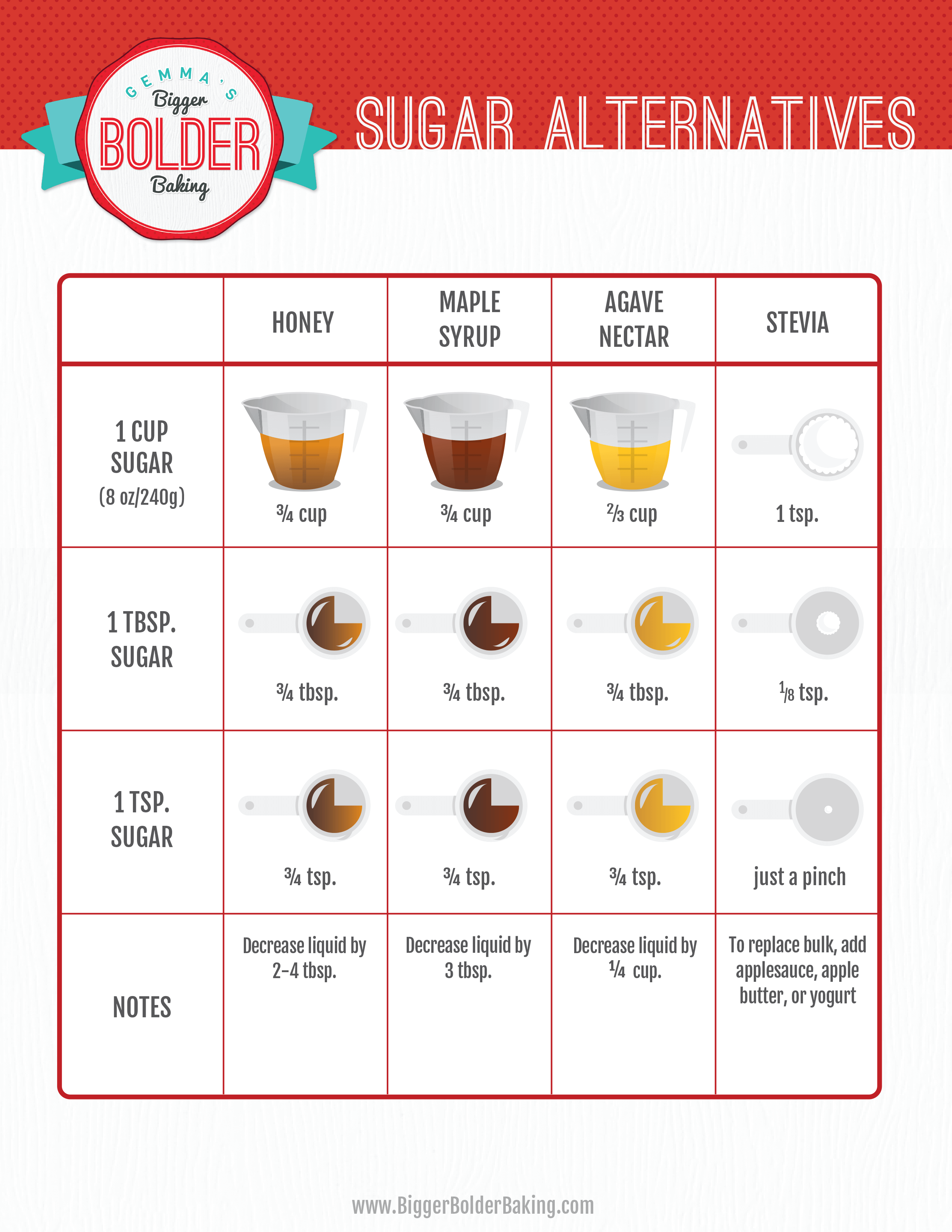
Sugar is a common ingredient in many foods and beverages, but its excessive consumption can have negative effects on health. Luckily, there are various sugar alternatives available that can provide sweetness without the drawbacks of traditional sugar. In this FAQ-style guide, we will explore different types of sugar substitutes, their benefits and potential drawbacks, as well as how to use them in your daily life.
**What are sugar substitutes?**
Sugar substitutes are ingredients used to sweeten foods and beverages as an alternative to traditional table sugar (sucrose). These substitutes may be natural or artificial and can vary in taste, texture, and sweetness levels.
**What are the benefits of using sugar alternatives?**
– **Reduced calorie intake:** Sugar substitutes often contain fewer calories than regular sugar, making them a suitable option for those looking to manage their weight or reduce overall calorie intake.
– **Blood sugar control:** Some sugar alternatives do not cause spikes in blood glucose levels like table sugar does. This makes them a better choice for individuals with diabetes or those trying to stabilize their blood sugar levels.
– **Dental health:** Unlike sucrose which contributes to tooth decay, some sugar substitutes do not promote cavities or dental issues when consumed.
– **Suitable for special diets:** Sugar alternatives offer options for individuals following specific diets such as ketogenic, low-carb, or vegan lifestyles.
**What are the different types of sugar alternatives?**
1. **Stevia**: Stevia is a natural sweetener derived from the leaves of the Stevia rebaudiana plant. It is much sweeter than regular table sugar but has zero calories. Stevia is heat-stable and can be used in cooking and baking.
2. **Monk Fruit**: Monk fruit extract comes from the monk fruit plant native to Southeast Asia. It is a natural sweetener with zero calories and does not raise blood glucose levels. Monk fruit extract is significantly sweeter than sucrose.
3. **Erythritol**: Erythritol is a type of sugar alcohol that occurs naturally in fruits like pears and watermelons. It has about 70% of the sweetness of table sugar but only provides around 6% of the calories per gram.
4. **Xylitol**: Xylitol also belongs to the family of sugar alcohols and has similar sweetness to sucrose with about two-thirds of its caloric content per gram. It is commonly used as a sweetener in chewing gum due to its dental benefits.
5. **Allulose**: Allulose is a rare natural sweetener found in small quantities in certain foods like wheat and figs. It has virtually no impact on blood glucose levels despite being similar in taste and texture to regular table sugars.
6. **Agave Nectar**: Agave nectar comes from the agave plant native to Mexico and South America; it’s less processed compared to other sugars so it retains more nutrients while having a lower glycemic index compared with white sugars.
**Are there any downsides or risks associated with using these alternative sweeteners?**
While most alternative sweeteners are considered safe for consumption by regulatory authorities when consumed within recommended amounts:
– Some people may experience digestive issues like bloating or gas when consuming large quantities of certain types of artificial sweeteners.
– Sugar alcohols like erythritol or xylitol may cause gastrointestinal discomfort if consumed excessively.
– Some studies suggest that artificial sweeteners could potentially disrupt gut bacteria balance although more research needs further confirmation on this matter.
**How can I incorporate these alternative sweeteners into my diet?**
There are many ways you can use these alternative sweeteners:
1) Add stevia drops into your coffee or tea instead 0of adding sugary syrups
2) Use monk fruit extract powder when baking keto-friendly desserts
3) Replace granulated white sugars with erythritol measure-for-measure ratios
4) Swap out honey for allulose when making homemade sauces
It’s essential always read labels carefully when purchasing products containing these substitute ingredients because some products might still contain added sugars even though they’re marketed as “sugar-free.”
In conclusion, using alternative sweeteners offers numerous benefits over traditional table sugars including reduced calorie intake improved blood glucose management dental health improvements.. However one should consume them mindfully since excessive usage could lead side effects such digestive discomfort potential disruption gut flora balance Further research required confirm long-term impacts artificial Should consult healthcare provider concerns before incorporating heavily diets If utilized moderation incorporated balanced lifestyle choices effectively contribute healthier eating habits overall

Leave a Reply