When it comes to delicious and nutritious cuisine, Mexican food is a popular choice for many people. With its vibrant flavors, fresh ingredients, and diverse range of dishes, Mexican cuisine offers a variety of options that can easily be incorporated into a healthy eating plan. In this post, we will explore the key components of Mexican cuisine that make it both flavorful and nutritious, as well as provide some tips on how to enjoy Mexican food in a health-conscious way.
One of the defining characteristics of Mexican cuisine is its use of fresh ingredients such as tomatoes, avocados, peppers, beans, and corn. These ingredients not only add flavor and color to dishes but also provide essential nutrients like vitamins, minerals, fiber, and antioxidants. For example, tomatoes are rich in vitamin C and lycopene which have been linked to various health benefits including reduced risk of heart disease and cancer. Avocados are packed with healthy monounsaturated fats that can help lower cholesterol levels while providing a creamy texture to dishes like guacamole.
Another staple ingredient in Mexican cuisine is beans which are an excellent source of plant-based protein, fiber, iron, and folate. Beans can be used in various dishes such as soups (like black bean soup), salads (like bean salads), or mains (like vegetarian tacos). Incorporating beans into your meals not only adds nutritional value but also helps keep you full longer due to their high fiber content.
Corn is another important ingredient in Mexican cuisine that provides complex carbohydrates for energy along with fiber for digestive health. Corn tortillas are a versatile option for wrapping up fillings like grilled vegetables or lean proteins such as chicken or fish. Opting for corn tortillas over flour tortillas can increase the fiber content of your meal while reducing overall calorie intake.
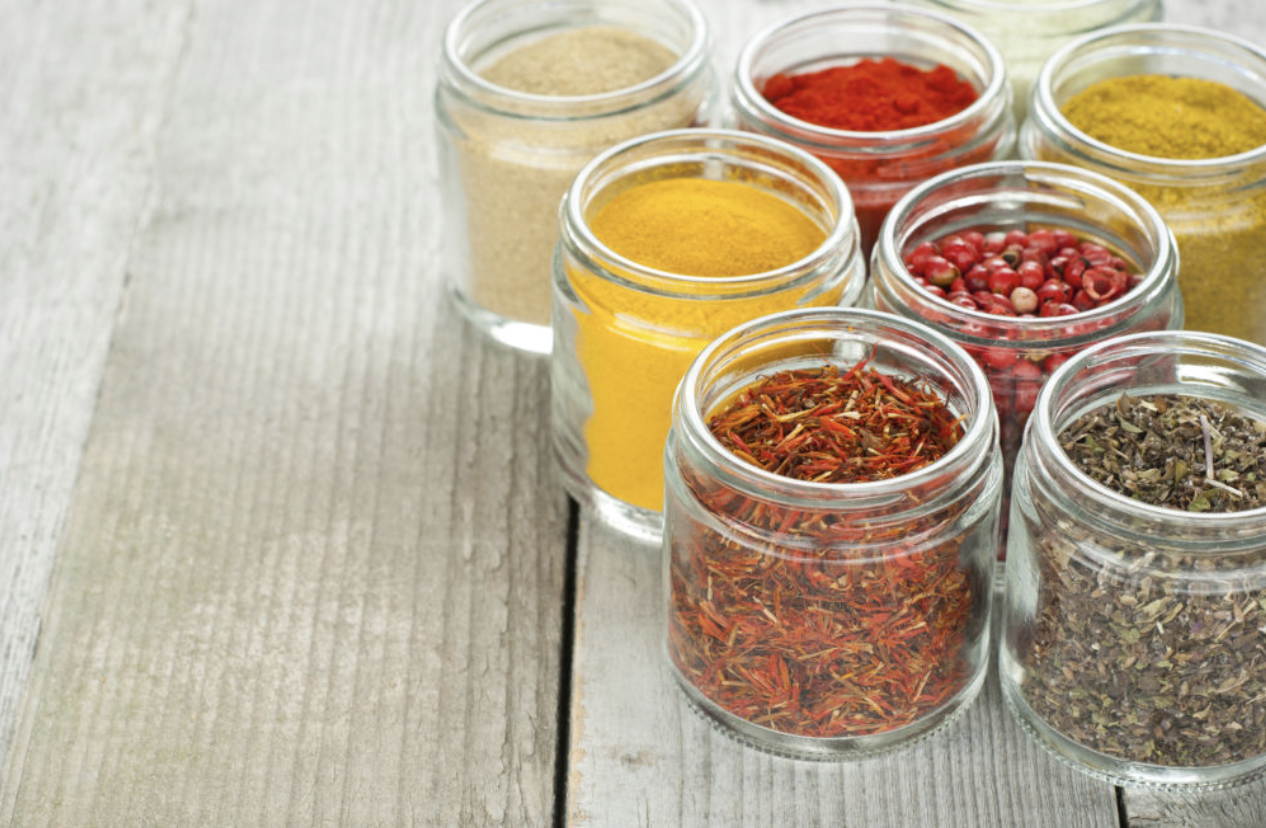
Spices play a crucial role in adding depth and flavor to Mexican dishes without excess salt or fat. Common spices used in Mexican cooking include cumin, chili powder, paprika, oregano, and cilantro which not only enhance taste but also offer potential health benefits. For instance,, cumin may aid digestion while chili powder containing capsaicin may boost metabolism temporarily leading to increased calorie burn.
While traditional Mexican cuisine offers many healthy choices with its emphasis on whole foods like fruits & vegetables paired with lean proteins & whole grains; there are some aspects that can be less conducive to optimal health if consumed excessively or prepared with excessive amounts of unhealthy fats/sugars/salts:
– Cheese: While cheese adds richness & flavor profiles commonly associated w/ Tex-Mex fare (think quesadillas/enchiladas), processed cheeses often contain high saturated fat & sodium levels making moderation key.
– Sour Cream/Guacamole: These condiments contribute valuable nutrients like calcium/vitamins E,K,C/Antioxidants respectively when made from scratch w/o added sugars/hydrogenated oils however commercial varieties may contain hidden unhealthy additives.
– Fried Foods: Popular items like chimichangas/tortilla chips/fried ice cream carry significant caloric loads due their preparation methods involving deep frying oil baths increasing trans-fat contents/trans-fatty acids harmful cardiovascular system.
– Sugary Beverages: Traditional aguas frescas/horchata drinks blended fruit/sugar/water offer refreshing alternatives sodas/juices laden refined sugars/high fructose corn syrup contributing empty calories/dental caries risks if consumed frequently.
To enjoy authentic Mexican flavors while maintaining a balanced diet consider these suggestions:
1) Choose grilled/baked options instead fried items
2) Select salsa/pico de gallo over heavy sauces/creams
3) Opt smaller portions balance w/ sides veggies/rice/beans
4) Limit portion sizes desserts/alcoholic beverages
5) Experiment homemade versions favorite restaurant treats healthier twists
In conclusion,Mexican food has vast potential supporting goals balanced nutrition by incorporating nutrient-dense foods rich vitamins/minerals/fiber alongside strategies minimize consumption processed meats/refined carbs/excessive salts/fats/sugars ensuring dietary needs met optimal wellbeing.Allowing flexibility enjoyment cultural culinary experiences integral journey wellness promoting sustainable habits lead long-term vitality longevity.Enjoying best worlds appreciating pleasures shared meals loved ones nourishing body respect self-care embracing holistic approach life fullness well-being!

Leave a Reply