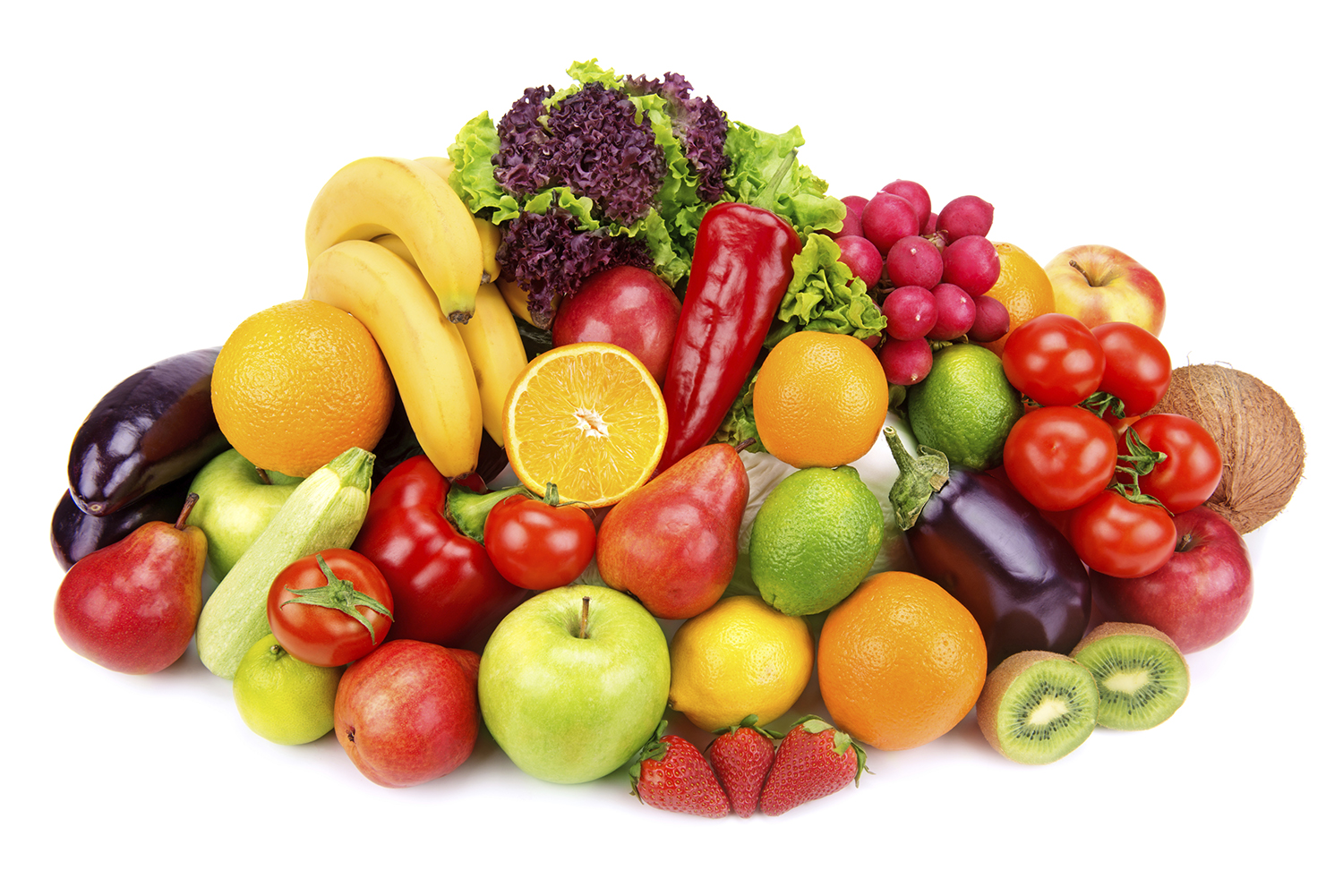
Nutritional value is a fundamental aspect of healthy eating that often gets overlooked in today’s fast-paced world. With busy schedules, convenience foods, and an abundance of processed options available, it can be easy to neglect the importance of understanding what we are putting into our bodies. However, taking the time to learn about the nutritional value of the foods we consume is crucial for maintaining good health and overall well-being.
What exactly does “nutritional value” mean? Nutritional value refers to the nutrients found in food that are essential for growth, development, and overall health. These nutrients include carbohydrates, proteins, fats, vitamins, minerals, and water. Each nutrient plays a unique role in supporting various bodily functions such as energy production, immune function, metabolism regulation, bone health, and more.
Carbohydrates are our body’s primary source of energy. They come in two forms: simple carbohydrates (sugars) and complex carbohydrates (starches and fiber). Simple carbohydrates provide quick energy but can lead to blood sugar spikes and crashes if consumed in excess. On the other hand, complex carbohydrates break down more slowly and provide sustained energy levels while also offering important dietary fiber that supports digestive health.
Proteins are essential for building and repairing tissues in our bodies. They are made up of amino acids – some of which are produced by our bodies while others must be obtained from food sources. Animal products like meat, poultry, fish, eggs, and dairy are complete protein sources containing all essential amino acids. Plant-based protein sources include legumes (beans), nuts/seeds,and grains – although they may lack one or more essential amino acids so it’s important to eat a variety throughout the day.
Fats play a critical role in our diet by providing energy storage; they also support cell structure,functioning hormones,vitamins absorption,and brain function.Avoid saturated fats found primarily in animal products like butter or lard.These fats have been linked to heart disease.Instead,opt for unsaturated fats found abundantly in nuts,oils,and fatty fish.These healthier fat options can help reduce inflammation,support heart health,and improve cholesterol levels.Choosing healthy fat sources is vital for overall wellbeing
Vitamins & minerals act as co-factors/enzyme helpers during different metabolic reactions within your body.Vitamin C boosts immunity,Vitamin D aids calcium absorption,Magnesium supports muscle function,Potassium maintains fluid balance,Zinc helps with wound healing,to name just a few.Minerals like Calcium,Iron,& Potassium play significant roles too.While supplements might seem convenient,it’s best to obtain these nutrients from whole foods whenever possible since they’re better absorbed & utilized by your body.
Water is often overlooked when discussing nutrition,yet proper hydration is crucial for overall wellbeing.Water assists with digestion,nutrient transport,body temperature regulation,& waste removal.Staying adequately hydrated helps maintain focus,mood,stamina,& even skin condition.Your individual water needs depend on factors like age,size,dietary intake,& activity level,but aiming for 8-10 cups daily is considered ideal.Remember,the color of your urine can indicate hydration status:clear/light yellow signals adequate intake,dark yellow indicates dehydration.
Understanding nutritional labels at grocery stores can greatly aid youin making informed choices about what you eat.Look outfor serving sizes,total calories per serving,fat,sugar,sodium content& percentages based on daily values.Paying attentionto these details will help you select products that align with your dietary goals.Whenever possible,optfor whole,fresh foods over processed ones.Focus on colorful fruits/vegetables,nuts/seeds/legumes,minimally processed meats/seafood/alternatives,& whole grains
Consuminga balanced diet richin varied wholefoods providesyouwithmore thanjust physical nourishment.Itsupportsmental wellness,guthealth,disease prevention&longevity.Eatingwell doesn’t require perfection;small changesover timewillleadto lasting benefits.Consultwith healthcare providersor registereddietitiansto addresspersonalizednutritionconcernsandgoals
In conclusion,prioritizingthe nutritionalvalueofyourfoodsis acornerstoneofmaintaininggoodhealthandvitality.Educate yourselfonthe key elementsmentionedhere-carbohydrates/proteins/fats/vitamins/minerals/water-and make consciouschoicesaboutwhatyouputinyourbody.Your future selfwillthank youforinvestinginhealthyhabitsnow!

Leave a Reply