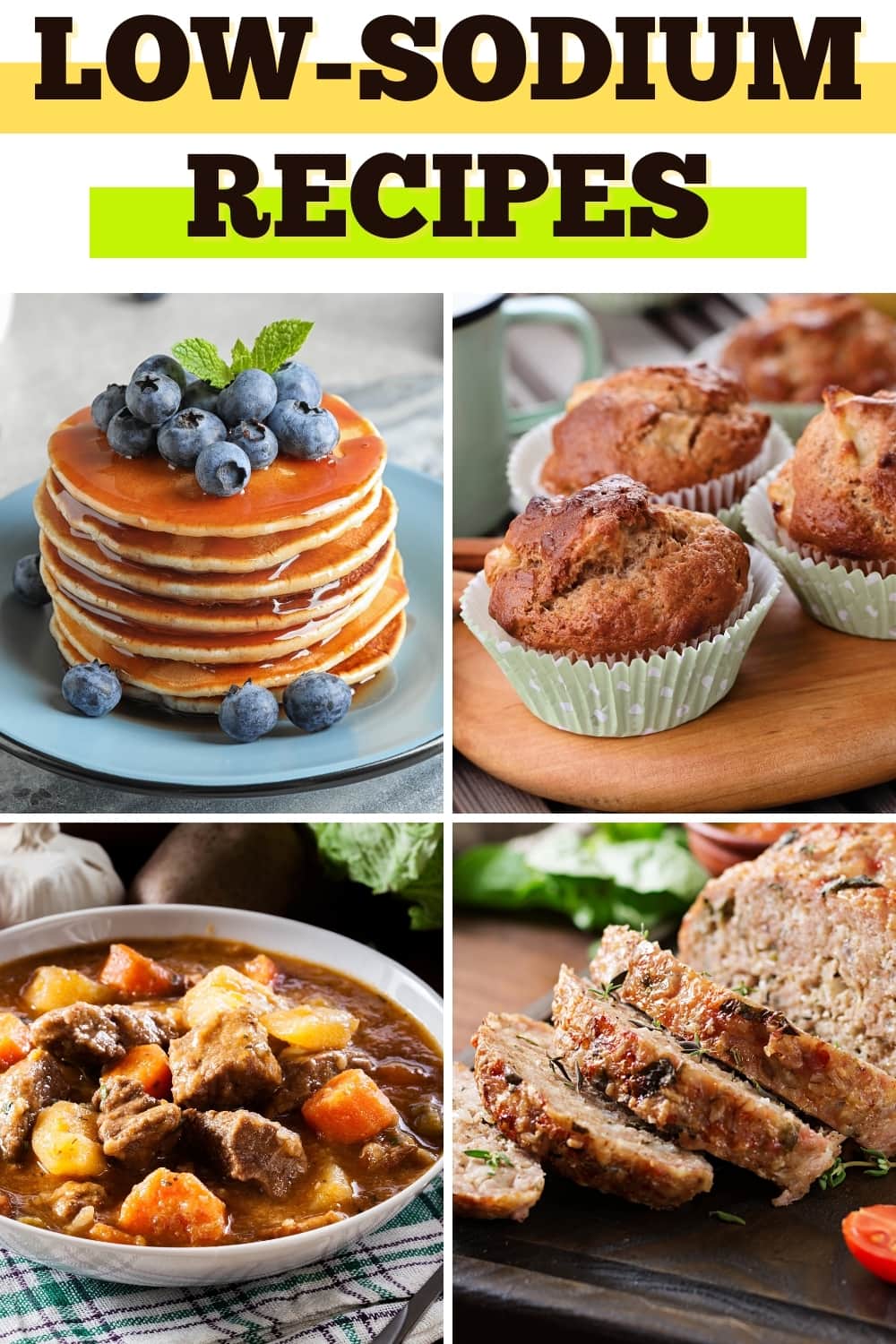
A low-sodium diet is essential for maintaining good heart health and overall well-being. However, cutting back on salt doesn’t mean sacrificing flavor or enjoyment in your meals. In this comprehensive guide, we will explore a variety of low-sodium swaps, delicious recipes, meal prep ideas, flavoring techniques, and dining out tips to help you navigate the world of low-sodium eating with ease.
Low-Sodium Swaps for Common Condiments:
Many condiments are high in sodium content, which can quickly add up in your daily intake. Luckily, there are plenty of low-sodium alternatives available. Swap out regular soy sauce for a reduced-sodium version or coconut aminos. Choose mustard over ketchup as it typically contains less sodium. Opt for fresh herbs and spices to season your dishes instead of pre-packaged seasoning blends that often have added salt.
Delicious Low-Sodium Snacks to Try:
Snacking can be a challenge on a low-sodium diet, but there are still plenty of tasty options to enjoy. Roasted chickpeas seasoned with herbs and spices make a crunchy and satisfying snack. Fresh fruits and veggies paired with homemade hummus or guacamole are excellent choices. Air-popped popcorn sprinkled with nutritional yeast or cinnamon is another flavorful option.
Low-Sodium Meal Prep Ideas:
Meal prepping is key to staying on track with your low-salt goals throughout the week. Prepare large batches of quinoa or brown rice to use as the base for various meals. Roast a variety of vegetables with olive oil and herbs to have on hand for quick sides or additions to salads. Cook lean proteins like chicken breast or tofu that can be incorporated into different dishes throughout the week.
How to Flavor Food Without Salt:
Flavoring food without salt may seem daunting at first, but it’s entirely possible with the right ingredients and techniques. Citrus juices like lemon or lime add brightness to dishes without adding sodium. Vinegars such as balsamic or apple cider vinegar provide acidity that enhances flavors. Experimenting with different herbs like rosemary, thyme, basil, and cilantro can elevate your meals without relying on salt.
Low-Sodium Salad Dressing Recipes:
Store-bought salad dressings often contain high levels of sodium along with preservatives and additives. Making your own dressings at home allows you to control the ingredients and flavors while keeping the salt content in check.
– Lemon Herb Vinaigrette: Combine fresh lemon juice, olive oil, minced garlic, chopped parsley, Dijon mustard,
and black pepper.
– Creamy Avocado Lime Dressing: Blend ripe avocado with lime juice,
Greek yogurt (or plant-based alternative), cumin,
and cilantro until smooth.
– Balsamic Dijon Dressing: Whisk together balsamic vinegar,
Dijon mustard,
honey (or maple syrup),
and olive oil until emulsified.
The Best Low-Sodium Seasonings And Herbs:
Stocking up on various seasonings and herbs is crucial when following a low-salt diet since they add depth
and complexity
to dishes without relying on sodium.
Some top choices include garlic powder,
onion powder,
paprika,
cayenne pepper (for heat),
Italian seasoning blend
(often includes oregano,
basil,
thyme),
curry powder
(for an exotic touch),
and turmeric
(for its anti-inflammatory properties).
Fresh herbs like parsley,
cilantro,
mint
Low-Salt Smoothie Recipes To Start Your Day Right:
Starting your day off with a nutritious smoothie is an excellent way to kickstart your morning while keeping sodium levels in check.
Berry Blast Smoothie: Blend frozen mixed berries (
such as strawberries,
blueberries,
raspberries),
spinach,
almond milk
(or any other unsweetened plant-based milk)
Creamy Green Smoothie:
Combine banana,
avocado,
spinach,
Greek yogurt
(or dairy-free alternative),
chia seeds,
with water
or coconut water.
Benefits Of A Low-Salt Diet For Heart Health:
Reducing sodium intake has numerous benefits for heart health including lowering blood pressure
reducing risk factors for heart disease
improving overall cardiovascular function
Eating Out On A Low-Salt Diet: Tips And Tricks:
When dining out while following a low-salt diet
there are several strategies you can employ
to ensure you stay within your limits
Choose restaurants known for their healthier options
Ask about preparation methods
Request sauces/dressings on the side
Opt for grilled/baked items over fried ones
Look out for hidden sources of sodium such as soups/sauces
Incorporating these tips
techniques
will help you navigate restaurant menus more effectively.
Quick And Easy Low-Salt Meals For Busy Days:
On hectic days when time is limited
having quick go-to meal options that are both nutritious
low in sodium essential.
Here are some ideas:
Turkey Lettuce Wraps:
Fill large lettuce leaves
turkey slices,
sliced bell peppers,
shredded carrots,
avocado slices,
with mustard
roll them up
a protein-packed meal.
Vegetable Stir-Fry:
Sauté mixed vegetables
olive oil,
garlic,
ginger,
soy sauce substitute (low-sodium tamari)
topping brown rice/quinoa.
These simple yet satisfying meals perfect busy days.
Conclusion:
Following
a low-salt diet does not mean sacrificing taste pleasure when it comes cooking eating
With smart swaps,
flavorful alternatives,
creative recipes,
you can enjoy delicious meals while caring heart health wellbeing.
Whether looking spice up salads
liven breakfast routine
explore new dinner ideas
guide serves resource navigating wonderful world
low
sodiu

Leave a Reply