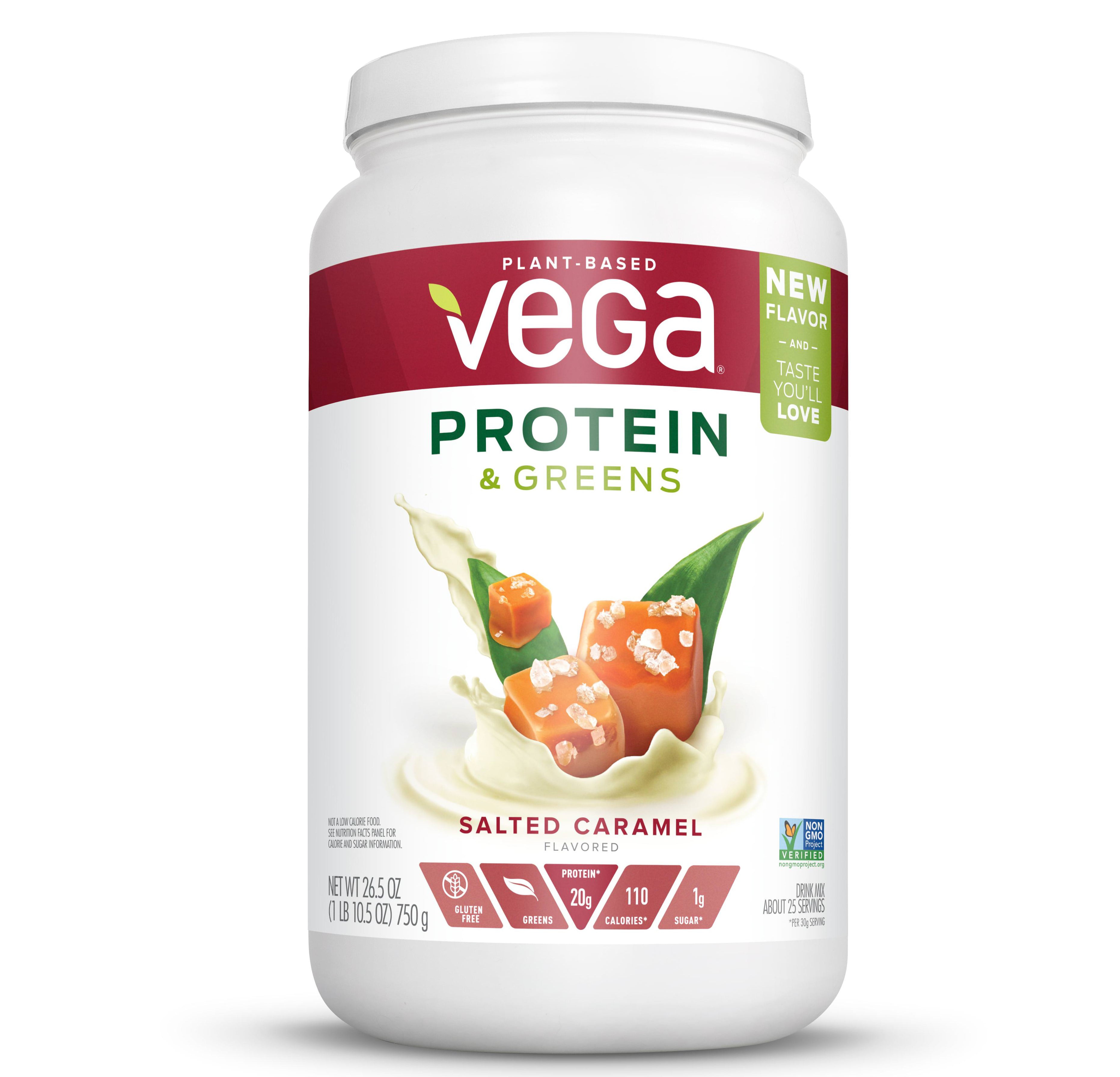
Plant-based diets have gained immense popularity in recent years, with more people adopting a plant-forward approach to their eating habits. This shift towards plant-based eating is not only driven by ethical and environmental concerns but also by the growing awareness of the health benefits associated with consuming more plants and less animal products.
As a result, the demand for plant-based protein supplements has also seen a significant uptick. Plant-based protein supplements offer an alternative to traditional animal-derived protein powders, providing a convenient and effective way for individuals to meet their daily protein needs while following a plant-based diet.
Investing in plant-based protein supplements can be a smart choice for both consumers looking to enhance their nutrition and investors seeking opportunities in the rapidly growing plant-based market. In this case study, we will explore the benefits of investing in plant-based protein supplements, key trends driving the market growth, potential challenges investors may face, and tips for making informed investment decisions in this sector.
Benefits of Investing in Plant-Based Protein Supplements
There are several compelling reasons why investing in plant-based protein supplements can be a lucrative opportunity:
1. Growing Market Demand: The market for plant-based protein supplements is expanding rapidly as more consumers embrace plant-centric diets. According to Grand View Research, the global plant-based protein market size was valued at $10.8 billion in 2020 and is expected to grow at a compound annual growth rate (CAGR) of 9.5% from 2021 to 2028.
2. Health Conscious Consumers: With increasing awareness about the health benefits of consuming more plants and less meat, many consumers are actively seeking out plant-based alternatives to traditional animal products. Plant-based protein supplements cater to this growing demographic of health-conscious individuals looking to boost their protein intake without compromising on their dietary preferences.
3. Sustainable and Ethical Considerations: Beyond personal health benefits, investing in plant-based products aligns with broader sustainability and ethical considerations. Plant proteins have a lower environmental footprint compared to animal proteins and are often perceived as a more sustainable choice by environmentally conscious consumers.
4. Innovation Opportunities: The landscape of plant-based proteins is evolving rapidly, with companies continuously innovating new sources of proteins such as pea, soy, rice, hemp, chia seeds, quinoa, and others. Investing in this sector presents opportunities for innovation-driven companies that are developing novel formulations and products tailored to meet consumer demands.
Key Trends Driving Market Growth
Several trends are shaping the growth trajectory of the plant-based protein supplement market:
1. Rising Flexitarianism: A growing number of consumers identify as flexitarians – those who primarily follow a vegetarian diet but occasionally consume meat or fish. This trend has created opportunities for plant-…
[Continues…]

Leave a Reply