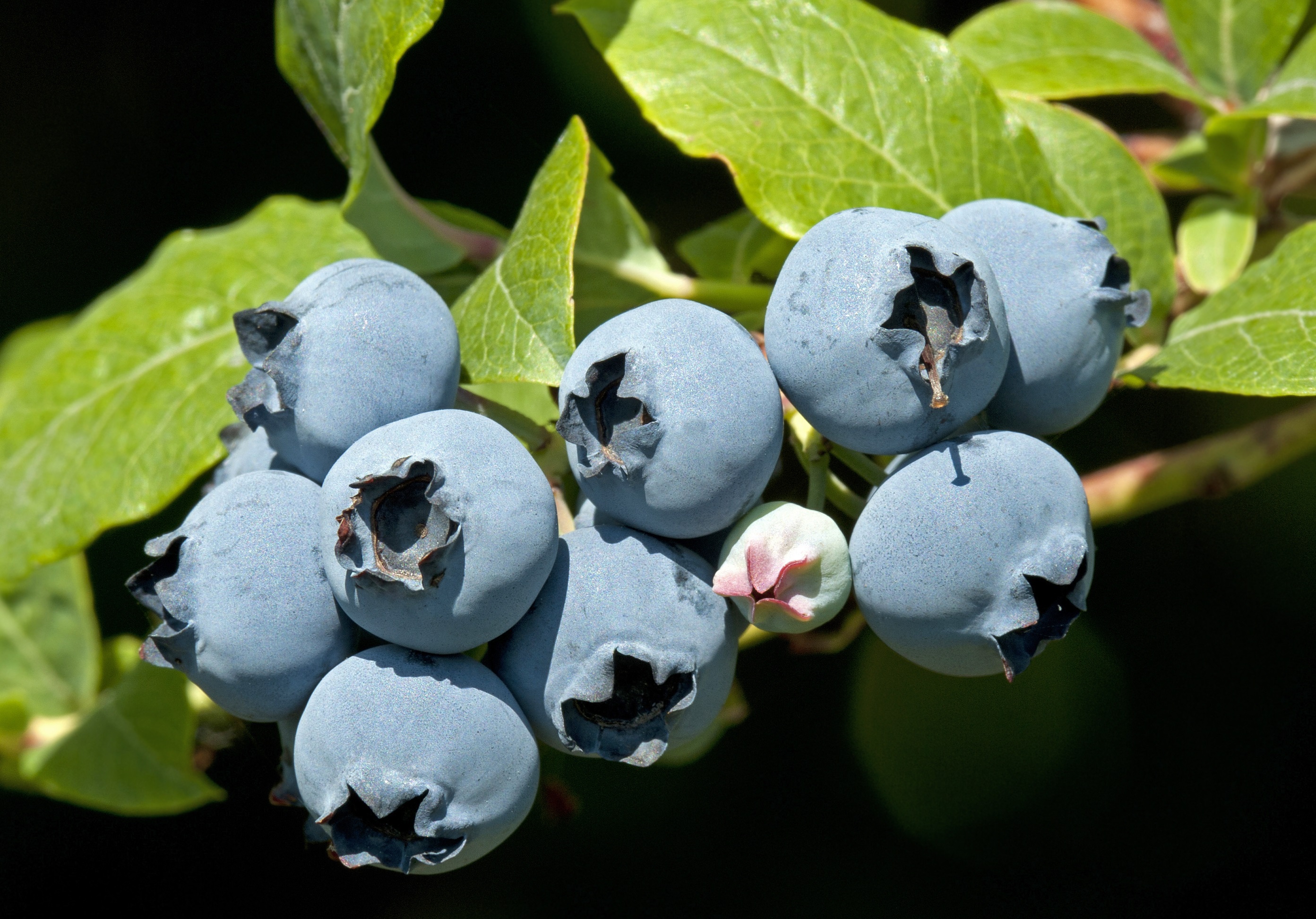
Blueberries are one of North America’s most beloved fruits, known for their sweet and tangy flavor as well as their numerous health benefits. This small, round fruit belongs to the Vaccinium genus and is native to North America, where it has been enjoyed by Indigenous peoples for centuries. Today, blueberries are a staple in many diets around the world and are celebrated not only for their taste but also for their high levels of antioxidants and other nutrients.
There are several varieties of blueberries that are grown in North America, each with its own unique characteristics and flavors. Let’s delve into some of the most popular varieties:
1. **Highbush Blueberries (Vaccinium corymbosum):**
Highbush blueberries are perhaps the most commonly cultivated variety in North America. These berries grow on shrubs that can reach heights of up to 12 feet and produce large, plump berries with a mild sweetness. They come in both northern and southern varieties, with differences in size and flavor profiles based on where they are grown.
– *Northern Highbush:* These varieties thrive in cooler climates with cold winters. They tend to be larger and firmer than their southern counterparts, with a slightly tart flavor profile.
– *Southern Highbush:* Suited for milder climates, these varieties have smaller berries that ripen earlier than northern types. They have a sweeter taste profile compared to northern highbush blueberries.
2. **Lowbush Blueberries (Vaccinium angustifolium):**
Lowbush blueberries, also known as wild blueberries, grow close to the ground in sprawling bushes across northeastern North America. These small but flavorful berries have an intense sweet-tart taste that sets them apart from other varieties.
– *Wild Maine Blueberry:* The wild Maine blueberry is one of the most famous lowbush varieties due to its rich flavor and deep coloration. These berries are often smaller than cultivated ones but pack a powerful punch when it comes to taste.
3. **Rabbiteye Blueberries (Vaccinium virgatum):**
Rabbiteye blueberries are primarily grown in the southeastern United States where they thrive in hot summers and mild winters. These berries get their name from the pinkish-red hue that develops around each berry’s “eye” at maturity.
– *Climax:* One of the most popular rabbiteye cultivars, Climax blueberries produce large clusters of medium-sized berries with a sweet yet slightly tangy flavor.
– *Premier:* Premier rabbiteye blueberries ripen early in the season and boast excellent productivity along with a deliciously sweet taste profile.
4. **Half-High Blueberries:**
Half-high blueberry plants result from crossing lowbush and highbush species together to create hybrids that combine desirable traits from both parent plants.
– *Top Hat:* Top Hat is a compact half-high variety ideal for container gardening or small spaces due to its manageable size while still producing tasty fruit.
– *Northblue:* Another popular half-high cultivar known for its cold-hardiness as well as flavorful fruits suitable for fresh eating or baking purposes.
When selecting which type of blueberry plant you want to grow or purchase at your local market, consider factors such as climate suitability, desired berry size, sweetness level preference, cultivation requirements like soil acidity preferences (blueberries prefer acidic soil), disease resistance properties specific to your region among others will help guide your choice.
In conclusion,
North American blueberry varieties offer an array of flavors suited for various palates while providing essential vitamins like vitamin C & K along with dietary fiber beneficial for overall health maintenance when incorporated into balanced diets regularly.
Whether you enjoy them fresh off the bush during summer months or incorporate dried or frozen versions year-round into recipes ranging from smoothies & salads through baked goods like pies & muffins; these versatile little fruits can enhance any dish while contributing essential nutrients beneficial towards maintaining good health.

Leave a Reply