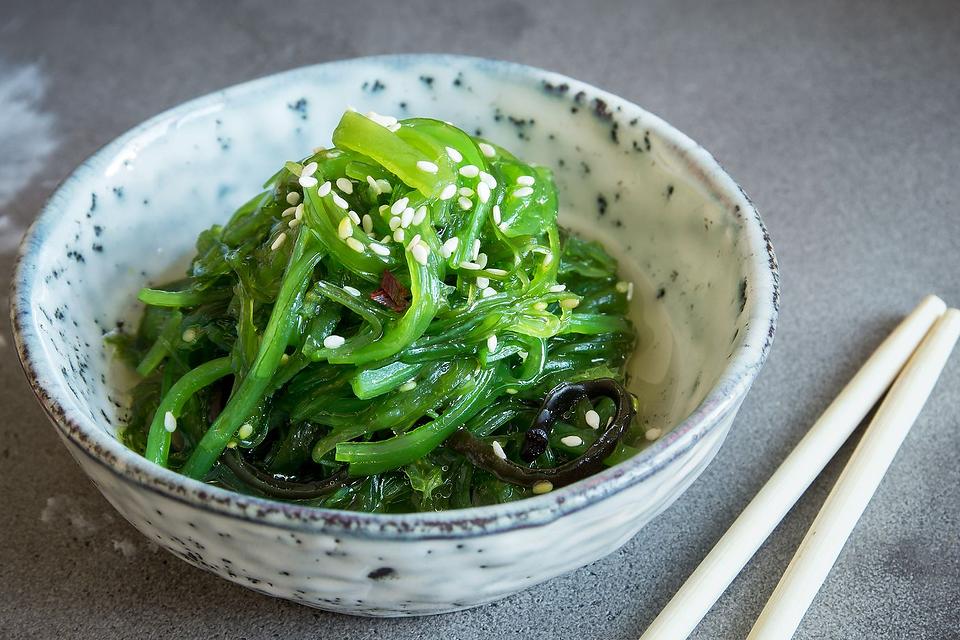
Seasonal eating is a wonderful way to connect with nature, support local agriculture, and nourish our bodies with fresh, in-season produce. One exciting trend that has been gaining popularity in the culinary world is incorporating seaweed into seasonal meals. Seaweed is not only packed with nutrients like vitamins A, C, E, and K, but it also adds a unique umami flavor to dishes. From nori wraps in the summer to kelp salads in the fall, there are endless possibilities for using different types of seaweed throughout the year.
For those interested in exploring fermented foods for each season, options abound. Fermented vegetables like sauerkraut or kimchi can be made with seasonal ingredients and provide gut-healthy probiotics. In the winter months, try fermenting root vegetables like carrots or turnips; as spring arrives, experiment with fermenting asparagus or radishes.
Urban foraging is another trend that allows city-dwellers to discover wild edible plants right in their own neighborhoods. From dandelion greens and purslane to chickweed and lamb’s quarters, there are plenty of nutritious greens waiting to be harvested. Just make sure you properly identify any plants before consuming them.
Athletes and active individuals can benefit greatly from seasonal eating by adjusting their diets based on training intensity and environmental factors. Incorporating more carbohydrates during high-intensity training periods or focusing on hydrating fruits and vegetables during hot summer months can help optimize performance.
Utilizing food preservation techniques such as canning, pickling, or dehydrating is a great way to enjoy seasonal produce year-round while reducing food waste. By preserving excess fruits and vegetables when they are at their peak ripeness, you can enjoy their flavors long after the season has passed.
Seasonal eating on a budget is also possible by shopping local farmer’s markets or joining community-supported agriculture (CSA) programs. Buying produce when it’s in season often means lower prices due to abundance.
Climate change has started affecting traditional seasonal eating patterns by altering growing seasons and crop yields. Adapting our diets to these changes may require exploring new ingredients or being flexible about what we consider “seasonal.”
Incorporating edible flowers into seasonal dishes adds beauty and flavor while providing potential health benefits. Flowers like nasturtiums add peppery notes to salads while violets lend a delicate sweetness to desserts.
Exploring lesser-known seasonal fruits and vegetables introduces variety into your diet while supporting biodiversity in agriculture. Ingredients like sunchokes (Jerusalem artichokes), kohlrabi, or persimmons offer unique flavors worth trying out.
Whether you’re planning meals for picky eaters or looking for ways to support hormonal balance through nutrition choices – embracing seasonal eating opens up a world of delicious possibilities that cater not only to taste buds but also promote overall well-being.

Leave a Reply