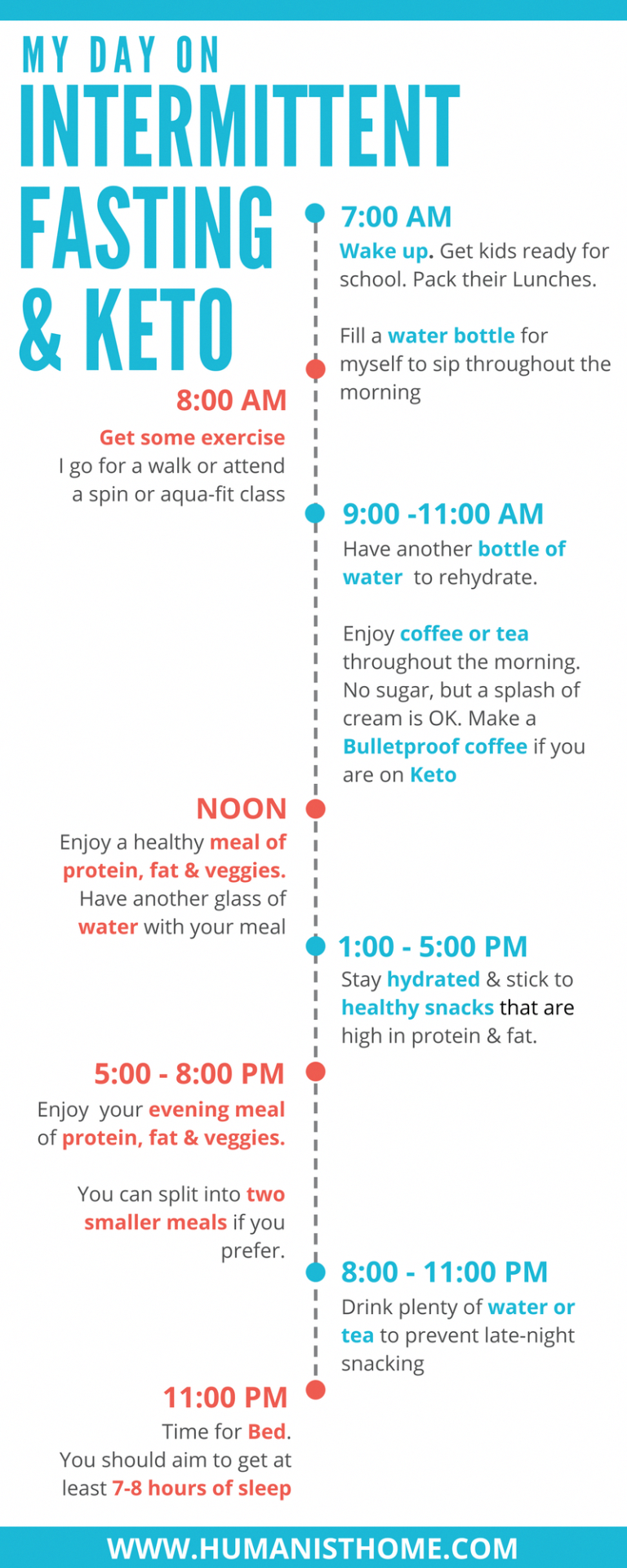
Intermittent fasting has gained significant popularity in recent years as a powerful tool for weight loss and overall health. When combined with the ketogenic diet, intermittent fasting can provide even greater benefits. This combination is known as Keto intermittent fasting, which involves cycling between periods of eating and fasting while following a low-carb, high-fat diet.
Keto intermittent fasting works on the principle of limiting your eating window to a specific time frame each day or incorporating longer fasts into your routine. By doing so, you can optimize fat-burning processes in your body and improve metabolic health.
One of the main reasons why Keto intermittent fasting is so effective for weight loss is that it helps lower insulin levels in the body. Insulin is a hormone that plays a key role in storing fat, and by reducing its levels through fasting and following a low-carb diet like keto, your body switches to burning stored fat for fuel instead of glucose from food.
Additionally, combining the ketogenic diet with intermittent fasting can help control hunger and cravings more effectively than each method alone. The high-fat content of the keto diet helps keep you feeling full and satisfied, while intermittent fasting can further regulate appetite hormones.
Another benefit of Keto intermittent fasting is its potential to improve brain function and mental clarity. Fasting has been shown to increase levels of brain-derived neurotrophic factor (BDNF), a protein that promotes healthy brain function and may protect against cognitive decline. The ketones produced during ketosis also provide an alternative energy source for the brain, which some studies suggest could enhance cognitive performance.
Moreover, this dietary approach has been linked to improved blood sugar control and insulin sensitivity, making it particularly beneficial for individuals with type 2 diabetes or those at risk for developing the condition. By reducing carbohydrate intake and implementing regular periods of fasting, Keto intermittent fasting can help stabilize blood sugar levels and reduce reliance on exogenous sources of insulin.
When it comes to implementing Keto intermittent fasting into your lifestyle, there are several methods you can choose from based on personal preference and goals:
1. **16/8 Method**: This popular approach involves restricting your daily eating window to 8 hours (e.g., eating from 12 pm to 8 pm) followed by a 16-hour fast.
2. **5:2 Diet**: With this method, you eat normally for five days of the week but restrict calories to around 500-600 on two non-consecutive days.
3. **Alternate-Day Fasting**: As the name suggests, alternate-day fasting involves alternating between days where you eat normally and days where you consume very few calories or fast entirely.
4. **OMAD (One Meal A Day)**: This approach consists of consuming all your daily calories within a one-hour window each day.
5. **Extended Fasting**: For more experienced fasters looking to push their limits further, extended fasts lasting anywhere from 24 hours up to several days can be considered under medical supervision.
It’s important to note that while Keto intermittent fasting offers numerous benefits when done correctly under proper guidance; it may not be suitable for everyone – especially those with certain medical conditions or nutrient deficiencies should consult with healthcare professionals before starting any new dietary regimen.
In conclusion,
Keto Intermittent Fasting combines two powerful strategies -the ketogenic diet & Intermittent Fasting- resulting in enhanced weight loss outcomes & other health benefits.
Always remember sticking strictly by expert advice when beginning any restrictive dietary plan like this one!

Leave a Reply