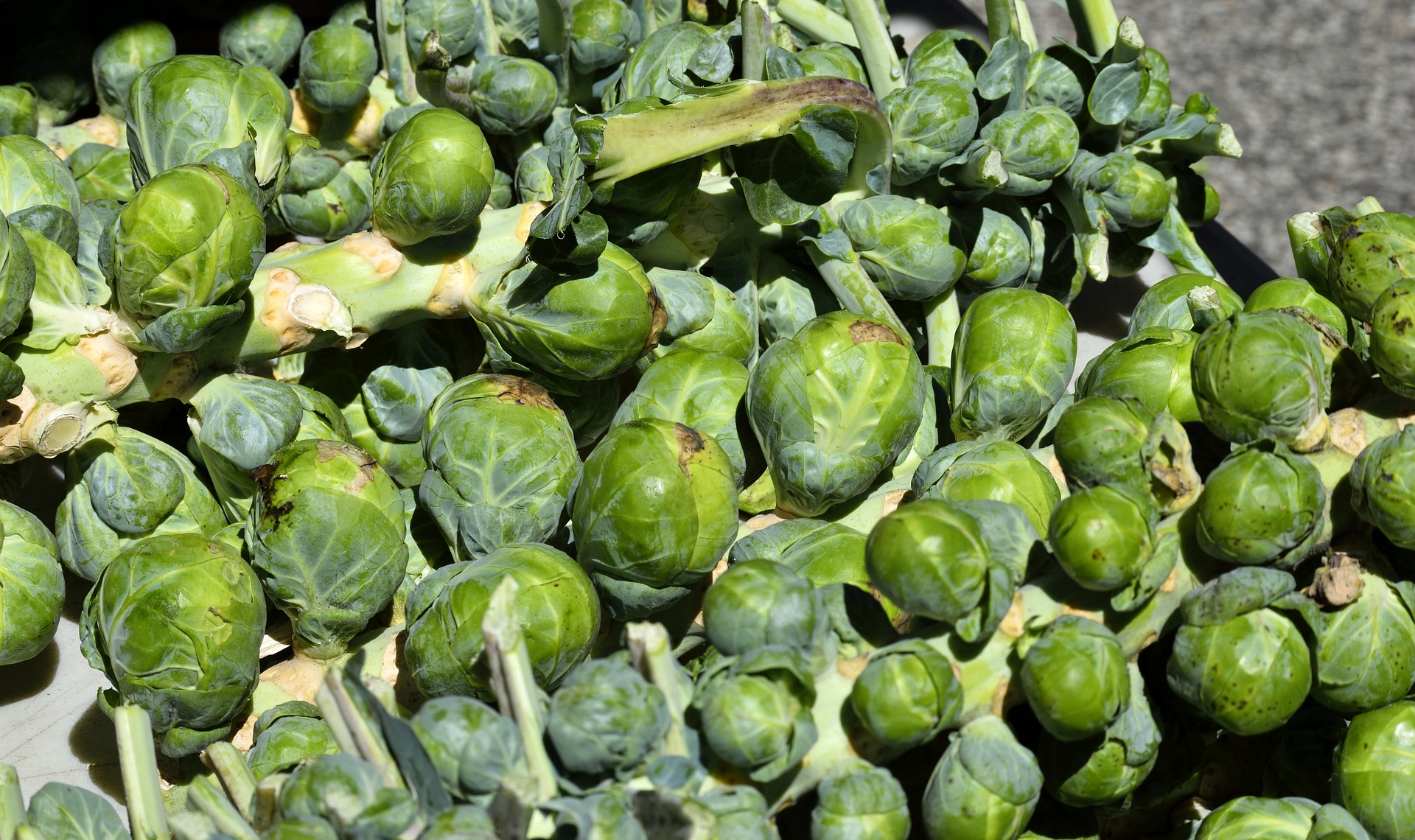
When it comes to Brussels sprouts, they are a beloved vegetable known for their health benefits and versatility in cooking. However, have you ever stopped to consider the price differences between locally grown Brussels sprouts versus imported ones? In this case study, we will explore the factors that contribute to these price variations and how they can impact your budget and dietary choices.
Local Brussels sprouts are typically sourced from nearby farms or regions within your own country. These sprouts are often fresher since they don’t have to travel long distances to reach your grocery store. The proximity of local farms also means lower transportation costs, which can translate into a lower price for consumers. Additionally, supporting local farmers helps boost the economy and promotes sustainability by reducing carbon emissions associated with long-distance transportation.
On the other hand, imported Brussels sprouts are usually shipped from countries like Belgium or the Netherlands, where they are commonly grown. While imported sprouts may offer variety in terms of size and flavor profiles, they tend to be more expensive due to higher production and transportation costs. Importing vegetables involves additional expenses such as customs duties, handling fees, and longer shipping times that can affect their overall price tag.
One factor that influences the cost of both local and imported Brussels sprouts is seasonality. Brussels sprouts have a peak growing season in the fall through early spring when they thrive in cooler temperatures. During these months, you may find local Brussels sprouts more abundantly available at lower prices compared to off-season or imported varieties. Understanding the seasonal availability of produce can help you make informed decisions about when to buy fresh or opt for frozen alternatives that may be more budget-friendly.
Another consideration when comparing prices is organic certification. Organic Brussels sprouts are grown without synthetic pesticides or fertilizers, which requires farmers to adhere to strict guidelines set by certifying bodies. As a result, organic produce tends to be priced higher than conventionally grown counterparts due to increased labor costs and limited use of chemicals in cultivation practices.
In recent years, there has been a growing trend towards sustainable farming practices that prioritize environmental conservation and ethical treatment of workers. Some consumers are willing to pay a premium for locally sourced or organic products that align with their values regarding food quality and production methods. By choosing ethically produced Brussels sprouts, you not only support responsible farming practices but also enjoy potentially higher nutritional content compared to mass-produced options.
It’s essential to weigh these factors when deciding between local and imported Brussels sprout varieties based on your budget constraints and personal preferences. If cost is a significant concern for you, opting for locally grown or seasonal produce can help stretch your dollar further while enjoying fresh flavors straight from nearby farms.
In conclusion,…
[Feel free add any concluding statements here]

Leave a Reply