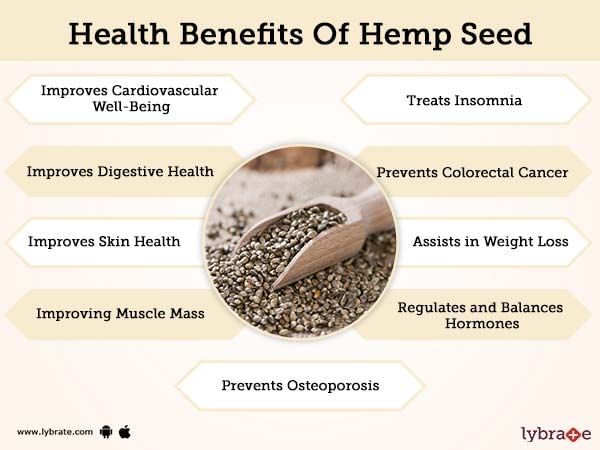
Hemp seeds, also known as hemp hearts, are the edible seeds of the hemp plant (Cannabis sativa). These small, brown seeds have a rich nutritional profile and have been consumed for thousands of years. While they come from the same species as marijuana, hemp seeds contain only trace amounts of THC (the psychoactive compound found in marijuana) and are safe and legal to consume.
Historically, hemp has been used for various purposes beyond food consumption. In ancient China, hemp was cultivated for its fibers to make textiles and rope. Hemp cultivation spread to Europe and other parts of the world over time due to its versatility and durability. The use of hemp seeds as a nutritious food source dates back centuries, with evidence suggesting they were consumed in Ancient Egypt.
One key reason why hemp seeds have stood the test of time is their impressive nutritional content. They are a rich source of protein, containing all nine essential amino acids that the body cannot produce on its own. This makes them a complete protein source comparable to animal products like meat or eggs. For vegetarians and vegans looking to increase their protein intake, incorporating hemp seeds into their diet can be highly beneficial.
In addition to protein, hemp seeds are packed with healthy fats such as omega-3 and omega-6 fatty acids in an optimal ratio for human health. These essential fatty acids play crucial roles in brain function, inflammation regulation, and heart health. By including hemp seeds in your diet regularly, you can support your overall well-being through these vital nutrients.
Furthermore, hemp seeds are a good source of fiber, which is important for digestive health and maintaining stable blood sugar levels. The fiber content in hemp seeds can help promote feelings of fullness and aid in weight management by reducing appetite cravings throughout the day.
Hemp seeds also provide an array of vitamins and minerals that contribute to overall health. They are particularly high in vitamin E, an antioxidant that helps protect cells from damage caused by free radicals. Additionally, they contain minerals such as magnesium, iron, zinc, and phosphorus which play essential roles in various bodily functions including energy production and bone health.
When it comes to incorporating hemp seeds into your diet, there are numerous ways to enjoy their nutty flavor and crunchy texture. You can sprinkle them over salads or yogurt bowls for added crunchiness or blend them into smoothies for a nutritional boost. Hemp seed oil can be used as a dressing for salads or drizzled over cooked dishes like vegetables or pasta.
If you’re feeling more adventurous in the kitchen, you can use ground-up hemp hearts as a gluten-free flour substitute in baking recipes like muffins or bread. Their mild flavor won’t overpower other ingredients but will add extra nutrition to your baked goods.
Overall,hemp seed’s long history as both a versatile crop materialand nutrient-dense superfood showcases its enduring popularity among cultures worldwide.Hemp’s reputation continues togrow todayaspeople seek out sustainableand wholesome dietary options.Harnessingthe powerofhempseedsinour everyday cookingcan bringanarrayofnutritionalbenefitswhile addingvarietytoour meals.So,takea cuefromancient civilizationsand embrace this tinybut mightyseedforahealthier,equallytimelessexperienceatyourtable

Leave a Reply