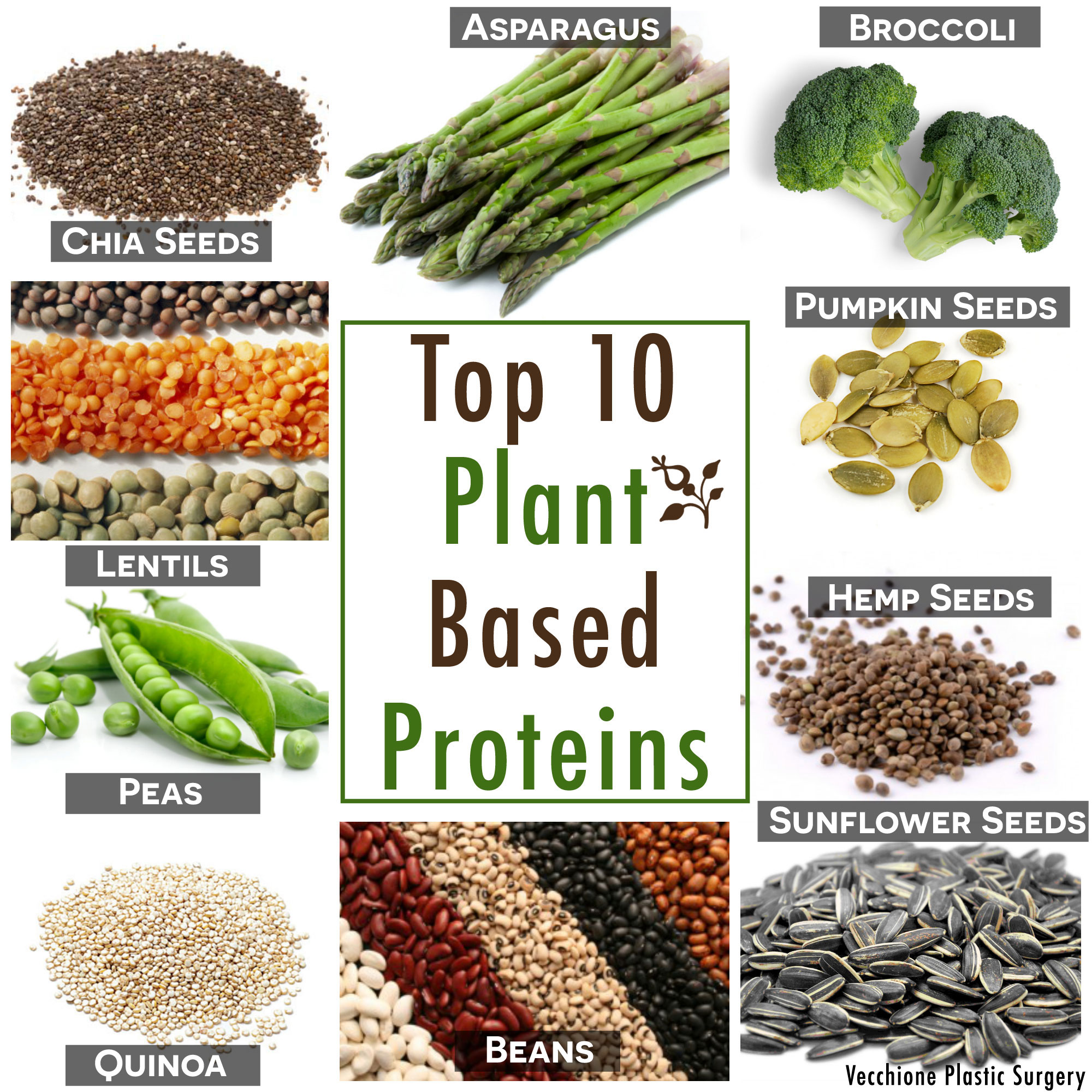
In the world of nutrition, protein is an essential macronutrient that plays a crucial role in maintaining overall health and well-being. While animal products have traditionally been the go-to source of protein for many people, there has been a significant rise in popularity of plant-based protein sources in recent years. Whether you are a vegetarian, vegan, or simply looking to incorporate more plant-based foods into your diet, there are plenty of options available to meet your protein needs.
Legumes are one of the most versatile and nutritious plant-based sources of protein. Beans, lentils, chickpeas, and peas are all excellent choices for those looking to boost their protein intake while also benefiting from fiber and other essential nutrients. For example, one cup of cooked black beans contains around 15 grams of protein as well as a good amount of fiber and iron.
Nuts and seeds are another great way to add plant-based protein to your diet. Almonds, walnuts, chia seeds, flaxseeds, hemp seeds, and pumpkin seeds are all rich in protein as well as healthy fats and micronutrients like magnesium and zinc. A handful of nuts or seeds can be a convenient snack option or they can be sprinkled on top of salads or added to smoothies for an extra nutritional boost.
Whole grains such as quinoa, brown rice, oats, barley, farro, and bulgur also contain significant amounts of protein compared to other grains. Quinoa is particularly notable for being a complete source of plant-based protein which means it provides all nine essential amino acids that our bodies cannot produce on their own. These whole grains can be used as a base for meals like grain bowls or served as side dishes alongside vegetables and legumes.
Tofu and tempeh are popular meat alternatives made from soybeans that are rich in high-quality plant-based proteins. Tofu is made by curdling soy milk into solid blocks while tempeh is produced by fermenting cooked soybeans before pressing them into dense cakes. Both tofu and tempeh can be marinated or seasoned with various flavors before being grilled, stir-fried or added to soups or stews.
Seitan is another meat substitute made from wheat gluten which is known for its chewy texture that resembles meat when cooked properly. It is extremely high in protein content with about 25 grams per 3-ounce serving making it an excellent choice for those seeking alternative sources of plant-based proteins.
Plant-based dairy alternatives like almond milk yogurt or cashew cheese also offer some amount of added proteins apart from calcium benefits if fortified correctly but should not be relied upon solely as main sources compared with legumes/seeds/grains etc., which provide both higher quantities & quality proteins along with other important vitamins/minerals/fiber required by our body’s daily dietary requirements
Green vegetables such as spinach broccoli kale Brussels sprouts collard greens edamame (young soybeans) peas etc., might not have very high absolute levels relative comparison against above mentioned sources; however they offer good complementary support due composition variety including moderate levels contributing towards total daily intake
It’s important to note that combining different plant-based proteins throughout the day can help ensure you’re getting all the essential amino acids your body needs. This concept called complementary proteins involves eating two incomplete-proteins together so they make up each other’s missing amino acids – classic examples include Rice & Beans hummus wrap wild rice w/ almonds peanut butter sandwich on whole grain bread quinoa salad w/ chickpeas etc., ensuring complete nutrient profile exists
While it may require some planning initially switching over majority diet towards predominantly Plant-Based Proteins; ultimately incorporating diverse range ingredients recipes will definitely yield long-term health benefits given positive impact on reducing risks chronic diseases improving gut microbiome promoting environmental sustainability ethical reasons too! So next time you’re meal prepping consider adding more beans nuts veggies whole grains tofu/seitan tempeh dairy-alternatives greens onto plate reap rewards down line powering performance resilience longevity through wholesome nourishing food choices

Leave a Reply