Curries have been a staple in many cultures around the world for centuries, and with good reason. Not only are they incredibly flavorful and aromatic, but they also offer a wide range of health benefits when prepared with nutritious ingredients. With the right choice of spices and vegetables, curries can be a delicious and satisfying addition to any healthy eating plan.
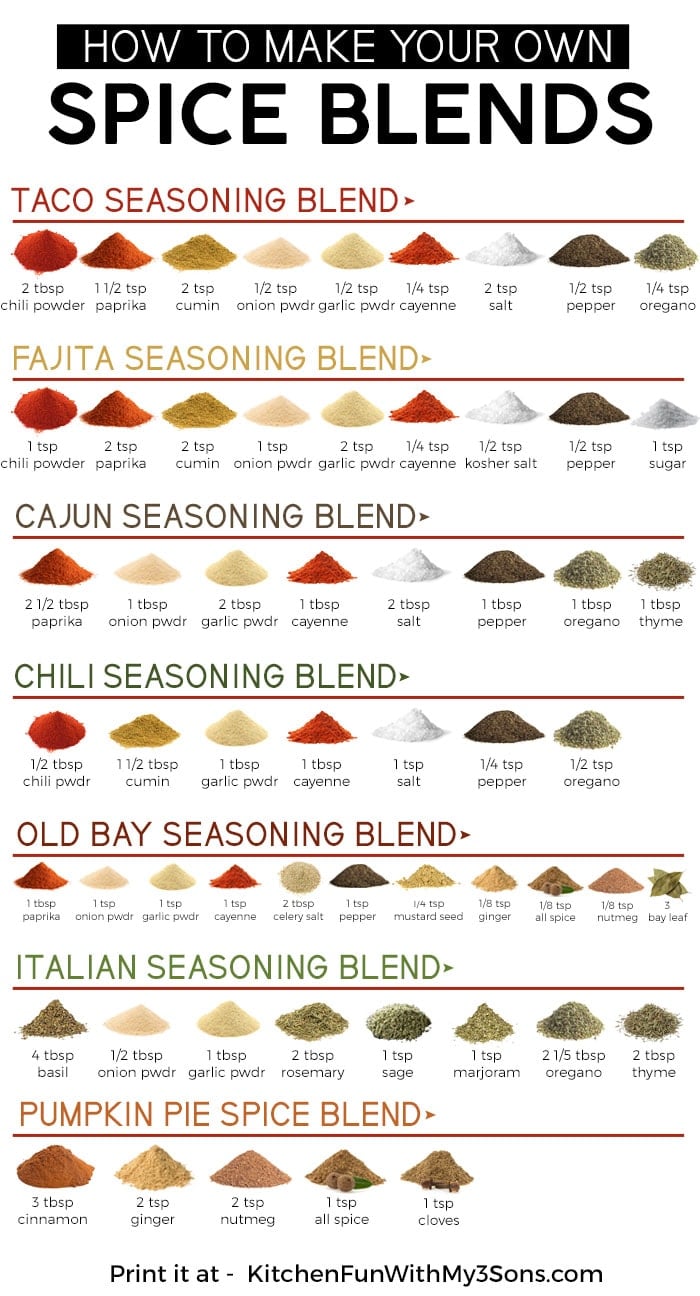
One of the key components of a curry is its spice blend, which typically includes turmeric, cumin, coriander, ginger, garlic, and chili peppers. Turmeric is known for its anti-inflammatory properties due to its active compound curcumin. This powerful antioxidant can help reduce inflammation in the body and may even play a role in preventing chronic diseases such as heart disease and cancer.
Cumin is another common spice found in curry blends that offers numerous health benefits. It has been shown to aid digestion, improve cholesterol levels, and even help control blood sugar levels. Coriander adds a citrusy flavor to curries while providing essential nutrients like vitamin C, vitamin K, and dietary fiber.
Ginger and garlic are well-known for their immune-boosting properties and ability to fight off infections due to their antimicrobial effects. They can also aid in digestion by reducing bloating and gas.
Chili peppers not only add heat to curries but also contain capsaicin—a compound known for its metabolism-boosting properties. Capsaicin has been linked to weight loss by increasing calorie burn after meals and reducing appetite.
In addition to these spices, vegetables play an important role in making curries both nutritious and delicious. Vegetables like bell peppers, spinach, tomatoes, onions, cauliflower, sweet potatoes, zucchini—all commonly used in curry recipes—provide an array of vitamins,minerals,and antioxidants that support overall health.
Bell peppers are rich in vitamin C which supports immunity; spinach offers iron for energy production; tomatoes provide lycopene which may reduce the risk of certain cancers; onions contain quercetin—a powerful antioxidant that helps fight inflammation; cauliflower is high in fiber promoting digestive health; sweet potatoes offer beta-carotene beneficial for eye health; zucchini provides potassium important for heart function.
When it comes to protein sources in curries,chickpeas,lentils,tofu,and lean meats like chicken or fish are popular choices.Chickpeas are packed with plant-based protein,fiber,and folate;lentils offer iron,zinc,and B vitamins;touf is low-calorie source of protein suitable for vegetarians/vegans.And chicken/fish provide lean protein along with omega-3 fatty acids essential for heart & brain health
To make your curry even healthier,opt for cooking methods like sautéing,baking or simmering instead deep frying.Additionally,optingfor low-fat coconut milk or Greek yogurt instead traditional heavy cream will lower saturated fat content without compromising taste.Finally,serving your curry over brown rice or quinoa instead white rice will increase fiber content enhancing fullness & digestion
Overall,Curries can be part balanced diet when made using nutrient-rich ingredients so feel free explore different flavors,colours,textures,in your culinary adventures!

Leave a Reply