Collagen, one of the most abundant proteins in our bodies, plays a crucial role in maintaining the health and elasticity of our skin, joints, and connective tissues. As we age, our natural collagen production decreases, leading to signs of aging such as wrinkles and joint pain. This has led to an increased interest in collagen supplements derived from various sources around the world.
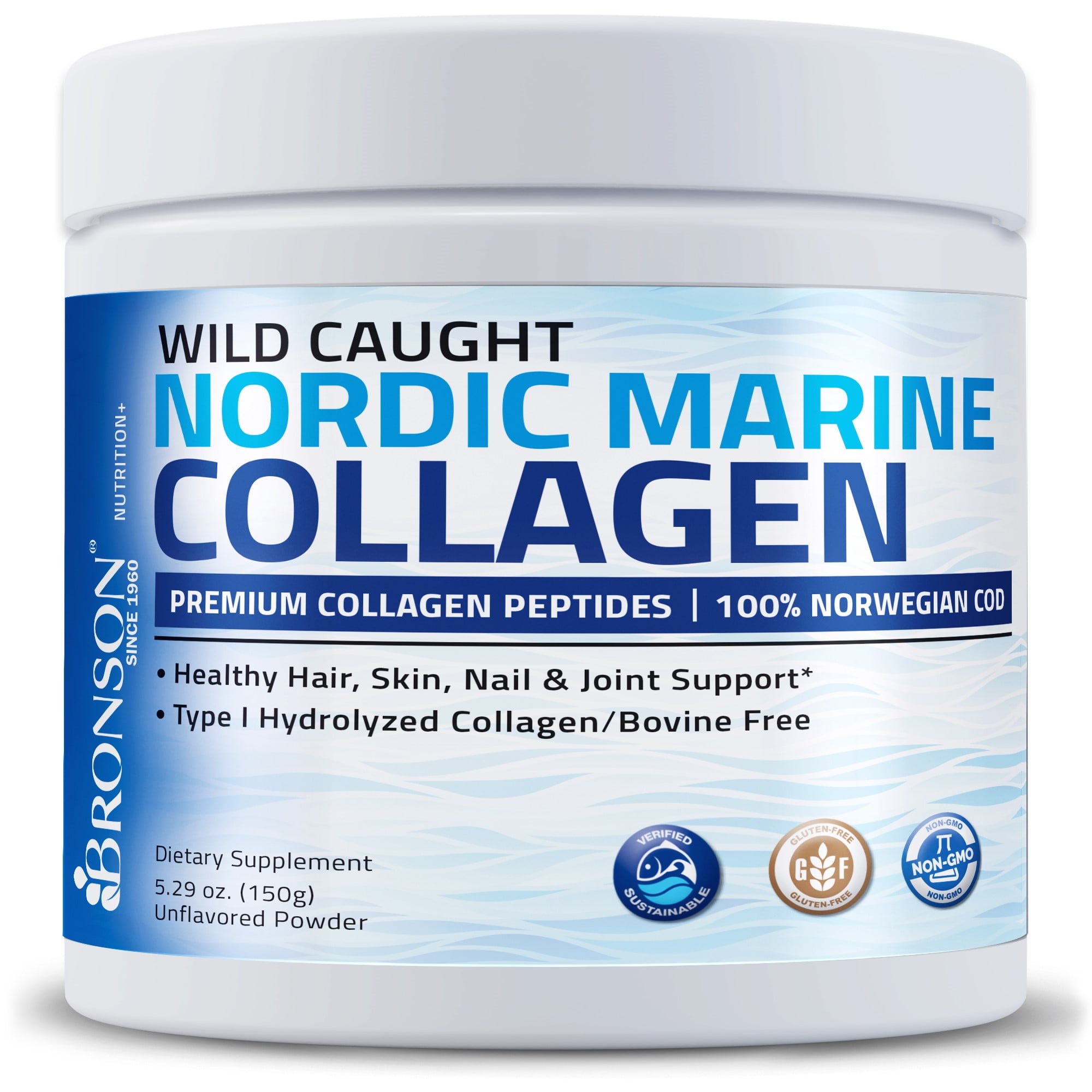
Marine collagen is sourced from fish or other sea creatures and is known for its bioavailability and effectiveness in promoting skin health. Antarctic marine collagen, for example, is harvested from the pristine waters of Antarctica and is rich in Type I collagen, which is essential for skin elasticity. Similarly, Arctic marine collagen sourced from cold-water fish like cod contains high levels of amino acids that support overall skin health.
Bovine collagen comes from cows and is a popular choice due to its similarity to human collagen. It is often used in supplements targeting joint health and may also help improve skin elasticity. Porcine collagen sourced from pigs shares a similar amino acid profile with human collagen and is commonly used in skincare products.
Chicken collagen is another common source of this protein and is often preferred for its type II collagen content, which specifically supports joint health. Meanwhile, plant-based collagens are becoming increasingly popular among vegans and vegetarians seeking cruelty-free alternatives derived from sources like fruits, vegetables, nuts, or seeds.
When it comes to geographical sourcing, European-sourced collagens are known for their strict quality standards and regulations. Asian-sourced collagens often incorporate traditional ingredients like bamboo or pearl powder known for their beauty-enhancing properties. South American-sourced collagens may include exotic fruits or plants like acerola cherry or camu camu for added antioxidants.
North American-sourced collagens offer a diverse range of options depending on the specific region they come from. African-sourced collagens may feature unique botanicals indigenous to the continent with potential skincare benefits. Australian-sourced collagens often highlight native ingredients like Kakadu plum or macadamia nut oil known for their nourishing properties.
Himalayan- or Mediterranean-marine collagens may draw upon the mineral-rich waters of these regions for added skin benefits. Amazonian plant-based collagens tap into the biodiversity of the rainforest with ingredients like açai berry or cupuaçu butter renowned for their moisturizing effects.
Pacific Islander- or Caribbean marine collagens leverage the marine resources surrounding these islands for potent anti-aging properties linked to nutrient-dense seaweed or algae extracts found in these regions.
In conclusion, whether you prefer marine-derived options like Antarctic or Arctic marine collagen; animal-derived choices such as bovine or chicken; plant-based alternatives like Amazonian plant-based collagen; European- versus Asian-, South American-, North American-, African-, Australian-, Himalayan-, Mediterranean-, Pacific Islander-, Caribbean-sourced varieties – there’s a wide array of options available catering to different preferences while offering potential benefits for your overall well-being when incorporated into your daily routine.

Leave a Reply