Fermentation is a magical process that has been used for centuries to transform ingredients into delicious and nutritious foods. It involves the breakdown of sugars by bacteria, yeast, or other microorganisms under anaerobic conditions. This process not only enhances the flavor and texture of foods but also increases their nutritional value.
One of the most well-known fermented foods is yogurt. Yogurt is made by fermenting milk with live cultures of bacteria such as Lactobacillus bulgaricus and Streptococcus thermophilus. These bacteria break down lactose (milk sugar) into lactic acid, giving yogurt its tangy flavor and creamy consistency. In addition to being a good source of protein and calcium, yogurt also contains probiotics that promote gut health.
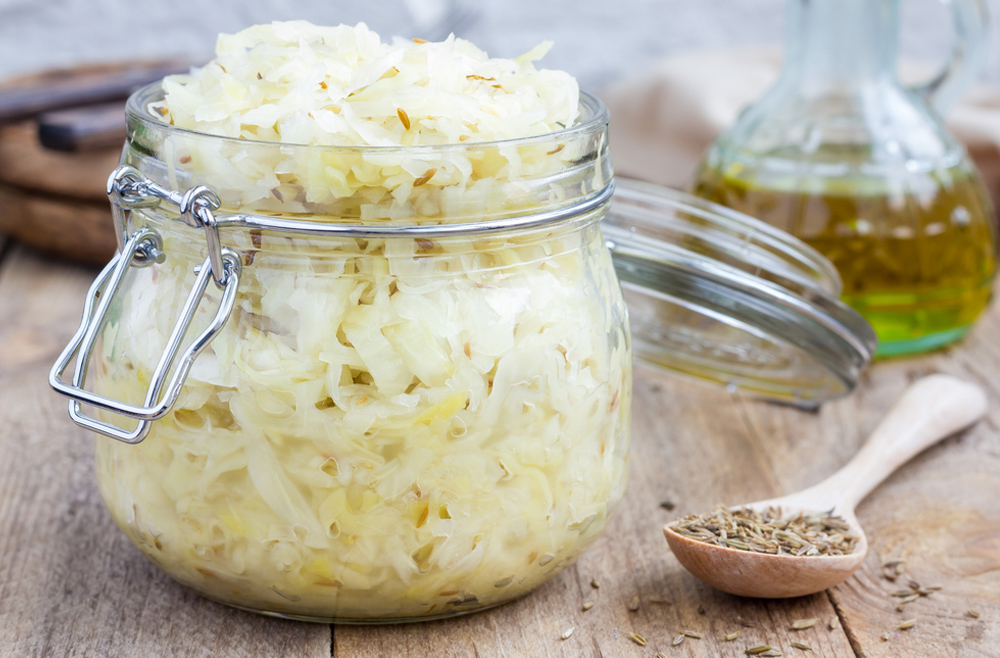
Another popular fermented food is sauerkraut, which is made by fermenting cabbage with salt. The fermentation process produces lactic acid bacteria that not only preserve the cabbage but also create a tangy flavor profile. Sauerkraut is rich in vitamins C, K, and B6, as well as fiber and beneficial probiotics that support digestive health.
Kimchi is a traditional Korean dish made from fermented vegetables like napa cabbage and radishes seasoned with spices like garlic, ginger, and chili pepper. Like sauerkraut, kimchi undergoes lactic acid fermentation which gives it its signature sour taste. Kimchi is packed with vitamins A and C, as well as antioxidants that help boost immunity.
Kombucha is a trendy fermented drink made from sweetened tea that has been fermented with a symbiotic culture of bacteria and yeast (SCOBY). The fermentation process converts the sugars in the tea into organic acids like acetic acid (found in vinegar) along with B-vitamins and beneficial enzymes.
Including fermented foods in your diet can have numerous health benefits such as improved digestion due to the presence of probiotics that promote gut health. Fermented foods are also rich in vitamins, minerals, antioxidants, and enzymes that support overall wellness.
So why not embrace the art of fermentation in your kitchen? Experimenting with making your own kefir or pickles can be a fun way to incorporate more fermented foods into your diet while reaping their many nutritional rewards!

Leave a Reply