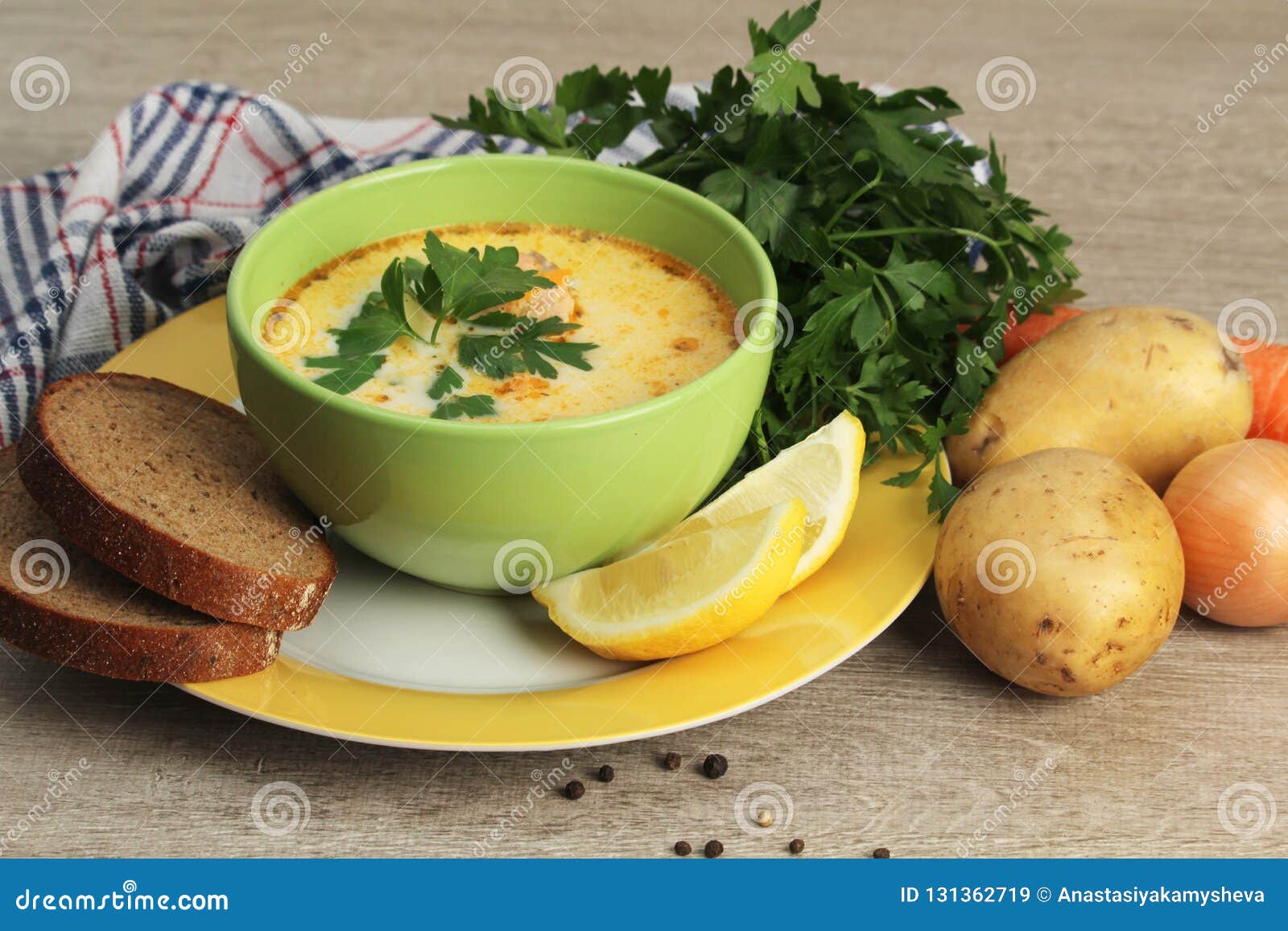
Scandinavian cuisine has gained popularity in recent years for its focus on fresh, high-quality ingredients and simple yet flavorful dishes. The food of this region is deeply rooted in the traditions of Denmark, Sweden, Norway, Finland, and Iceland, with each country contributing its own unique culinary influences to create a diverse and delicious food culture.
One of the defining characteristics of Scandinavian cuisine is its reliance on locally sourced and seasonal ingredients. With long winters and short growing seasons, people in this region have historically preserved foods through techniques like smoking, pickling, curing, and fermenting. These preservation methods not only help extend the shelf life of perishable items but also add complexity and depth to the flavors of dishes.
Fish plays a prominent role in Scandinavian cuisine due to the abundant coastal waters surrounding the region. Herring is a staple ingredient that is often marinated or pickled to create dishes such as pickled herring served with onions and sour cream or mustard sauce. Salmon is another popular fish that can be found smoked or cured and served alongside dill sauce or on open-faced sandwiches known as smørrebrød.
Seafood beyond fish also features heavily in Scandinavian cuisine. Shrimp, lobster, mussels, and crayfish are commonly enjoyed throughout the region. In Sweden, crayfish parties are a beloved summer tradition where people gather to feast on freshly boiled crayfish seasoned with dill.
Meat dishes are equally important in Scandinavian cooking. Pork is widely consumed in various forms such as meatballs (köttbullar) served with lingonberry jam or Christmas ham glazed with honey and cloves. Reindeer meat is considered a delicacy in parts of Scandinavia like Lapland where it’s often prepared as sautéed reindeer served over mashed potatoes.
Game meats like elk and venison are also popular choices for hearty stews or roasts during colder months when hunting season begins. Smoked sausages made from game meats are frequently enjoyed at outdoor gatherings along with warm mulled wine known as glögg.
Scandinavian bread culture is rich and varied with an array of traditional bread types made from different grains including rye bread (rugbrød), sourdough bread (surdeigsbrød), flatbread (flatbrød), and crispbread (knäckebröd). Rye bread is particularly prevalent across Scandinavia due to its ability to withstand harsh climates while providing essential nutrients like fiber.
Dairy products feature prominently in Scandinavian cuisine thanks to the abundance of dairy farms across the region. Butter, cheese, milk, yogurt, skyr (a type of Icelandic yogurt), and crème fraîche are commonly used ingredients that add richness and creaminess to both sweet treats like pastries as well as savory dishes such as creamy sauces for meatballs or gratins.
Berries hold a special place in Scandinavian desserts owing to their widespread availability during warmer months. Lingonberries grow wild across forests while cloudberries thrive in marshy areas providing tartness that complements sweet treats like berry tarts or jams for spreading on toast at breakfast time.
For those craving something sweet after a meal or just looking for a comforting snack during fika breaks – Swedish coffee breaks accompanied by pastries – there’s no shortage of options within Scandinavian baking traditions. Cinnamon buns (kanelbullar), cardamom buns (kardemummabullar), almond cakes topped with icing sugar called mandelbiskvier represent just some examples among an assortment of delectable baked goods available at local bakeries throughout Scandinavia.
In recent years there has been increased interest globally around Nordic superfoods such as sea buckthorn berries packed full vitamins minerals antioxidants omega fatty acids helping boost immune system promote healthy skin hair nails chia seeds high protein content fiber aiding digestion weight management flaxseeds rich source omega-3s improving cardiovascular health bilberries eyesight wild mushrooms immunity boosting properties
Overall,
Scandinavian cuisine offers a delightful blend of flavors textures aromas drawn from natural resources varying landscapes regions Each bite tells story deep-rooted connection land sea traditions passed down through generations Whether you’re savoring classic dish modern twist exploring new horizons adventurous palate There’s something everyone experience delight joy sharing meals loved ones celebrations everyday moments alike

Leave a Reply