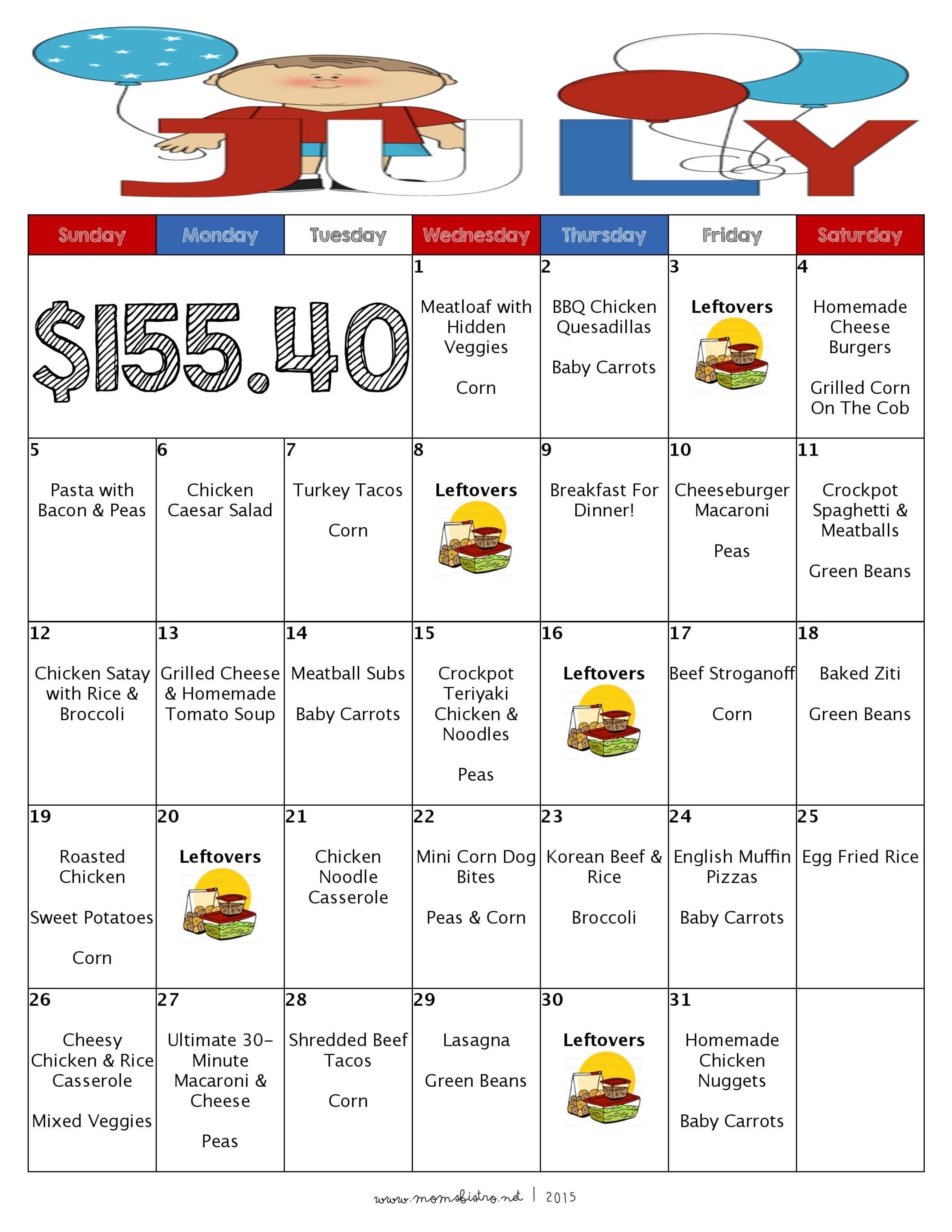
Meal planning on a budget is an essential strategy for anyone looking to eat healthily while saving money. By taking the time to plan your meals in advance, you can not only ensure that you are making nutritious choices but also avoid the temptation of ordering takeout or dining out frequently, which can be costly.
Here are some tips to help you effectively meal plan on a budget:
1. **Set a Budget**: Before you start planning your meals, it’s important to determine how much you can afford to spend on groceries each week. This will help guide your meal choices and ensure that you stay within your budget.
2. **Plan Your Meals Weekly**: Take some time at the beginning of each week to plan out your meals for the coming days. Consider factors like what ingredients you already have on hand, what’s on sale at the grocery store, and any upcoming events or commitments that may impact your meal schedule.
3. **Make a Shopping List**: Once you’ve planned out your meals, make a detailed shopping list of all the ingredients you’ll need for the week. Stick to this list when you go grocery shopping to avoid impulse purchases that can add up quickly.
4. **Buy in Bulk**: Buying pantry staples like rice, beans, pasta, and spices in bulk can save you money in the long run. Look for sales and discounts on these items and stock up when possible.
5. **Embrace Meatless Meals**: Meat is often one of the most expensive items on a grocery bill. Incorporating more plant-based meals into your rotation can help lower costs while still providing plenty of nutrients.
6. **Cook in Batches**: Prepare large batches of food that can be portioned out and enjoyed throughout the week or frozen for later use. This approach not only saves time but also helps prevent food waste by using up ingredients before they spoil.
7. **Repurpose Leftovers**: Get creative with leftovers by transforming them into new dishes rather than letting them go to waste. For example, roasted vegetables from one night could be added to salads or omelets the next day.
8. **Use Seasonal Produce**: Opting for fruits and vegetables that are in season is typically less expensive than buying produce that has been shipped from far away locations.
9. **Limit Dining Out**: While occasional dining out is enjoyable, it’s generally more cost-effective to cook at home regularly if you’re trying to stick to a budget.
10: **Be Flexible & Adjust as Needed** – Don’t get discouraged if things don’t go exactly as planned; flexibility is key when it comes to meal planning! If unexpected expenses arise during the week or if certain ingredients aren’t available at the store, don’t hesitate to make adjustments as needed.
By following these tips and committing yourself consistently enough towards effective meal planning on a budget,you’ll find yourself eating healthier ,wasting less food,and saving money along with developing good habits around eating well without overspending.

Leave a Reply