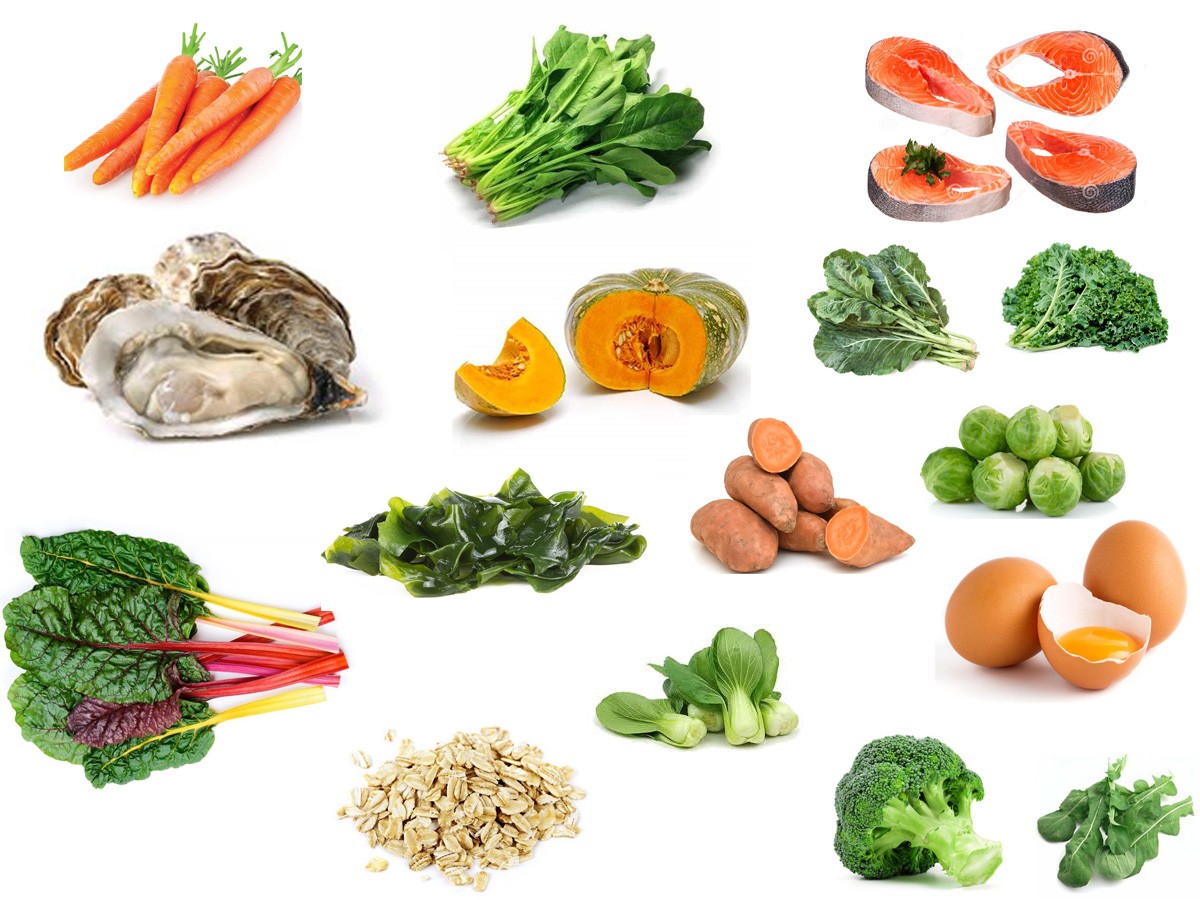
Today, I have the pleasure of speaking with nutrition expert Dr. Sarah Thompson to discuss nutrient-dense foods that won’t break the bank. Dr. Thompson is a registered dietitian with a passion for making healthy eating accessible and affordable for everyone.
Q: Dr. Thompson, thank you for joining us today. Can you explain what nutrient-dense foods are and why they are important for our overall health?
A: Nutrient-dense foods are those that provide a high amount of nutrients relative to their calorie content. These foods are rich in vitamins, minerals, antioxidants, fiber, and other essential nutrients that support optimal health and well-being. Choosing nutrient-dense foods is key to ensuring we meet our nutritional needs without consuming excess calories or harmful additives.
Q: That makes sense! Many people assume that eating healthy means spending more money on groceries. Are there affordable options available when it comes to nutrient-dense foods?
A: Absolutely! Eating nutritious meals doesn’t have to break the bank. There are plenty of budget-friendly options that offer great nutritional value. Legumes such as beans, lentils, and chickpeas are excellent sources of protein, fiber, and various vitamins and minerals at an affordable price point.
Whole grains like brown rice, quinoa, oats, and whole wheat pasta are also cost-effective choices packed with nutrients like fiber and B vitamins. And let’s not forget about eggs – they’re versatile, inexpensive sources of high-quality protein as well as essential nutrients like choline.
Q: Those are some fantastic suggestions! What about fruits and vegetables? How can we incorporate more produce into our diets without overspending?
A: Fruits and vegetables play a crucial role in providing essential vitamins, minerals, antioxidants, and fiber for overall health. To save money while still getting your daily dose of produce, consider buying seasonal fruits and veggies from local farmers’ markets or purchasing frozen varieties which can be just as nutritious as fresh.
Canned fruits (in water or natural juice) and vegetables (low-sodium) are also convenient options that retain many nutrients while being easy on the wallet. Additionally, root vegetables like carrots, sweet potatoes, beets; cruciferous veggies such as broccoli or cabbage; leafy greens like spinach or kale; all these options offer great nutritional value at reasonable prices.
Q: It’s inspiring to see how many affordable choices there are when it comes to nutrient-dense foods! Are there any specific meal ideas or recipes you recommend for someone looking to eat healthier on a budget?
A: One simple yet nutritious meal idea is homemade vegetable stir-fry with tofu served over brown rice – this dish provides a good balance of protein from tofu along with an array of colorful vegetables packed with essential nutrients.
Another budget-friendly option is black bean tacos using canned black beans seasoned with spices like cumin and chili powder served in corn tortillas topped with salsa fresca made from tomatoes onions cilantro lime juice salt pepper mix together enjoy!
For breakfast try oatmeal topped with sliced bananas nuts honey chia seeds – this hearty combination offers complex carbs potassium healthy fats omega-3 fatty acids antioxidants fibers Keep your energy levels stable throughout morning hours
Lastly don’t forget soup make large batches freeze leftovers quick lunch dinner option Vegetable broth mixed variety veggies legumes whole grains seasonings herbs spices create delicious wholesome meals minimal cost effort
Q: Thank you so much for sharing those wonderful meal ideas! Before we wrap up our discussion today do you have any final tips or advice for our readers who want to prioritize nutrient-dense eating without straining their budgets?
A: My pleasure! When it comes to eating nutritiously on a budget planning ahead is key Start by creating shopping list selecting seasonal locally sourced ingredients choose store brands generic products often offer quality lower prices compared name brands Don’t shy away frozen canned items they’re equally nutritious convenient stock pantry freezer essentials Optimize leftovers reduce food waste repurpose ingredients into new dishes Freeze extra portions future use Incorporate meatless meals focus plant-based proteins lentils beans tofu eggs Save money while boosting intake important nutrients
In conclusion remember nourishing body mind doesn’t have expensive endeavor With smart choices planning creativity anyone achieve balanced diet supports overall health vitality Thank opportunity share knowledge look forward helping readers journey towards wellness through affordable wholesome nutrition choices
And there you have it folks – practical advice from Dr.Thompson on how to prioritize healthy eating without breaking the bank Let’s start incorporating these tips into our daily lives improve wellbeing one bite time

Leave a Reply