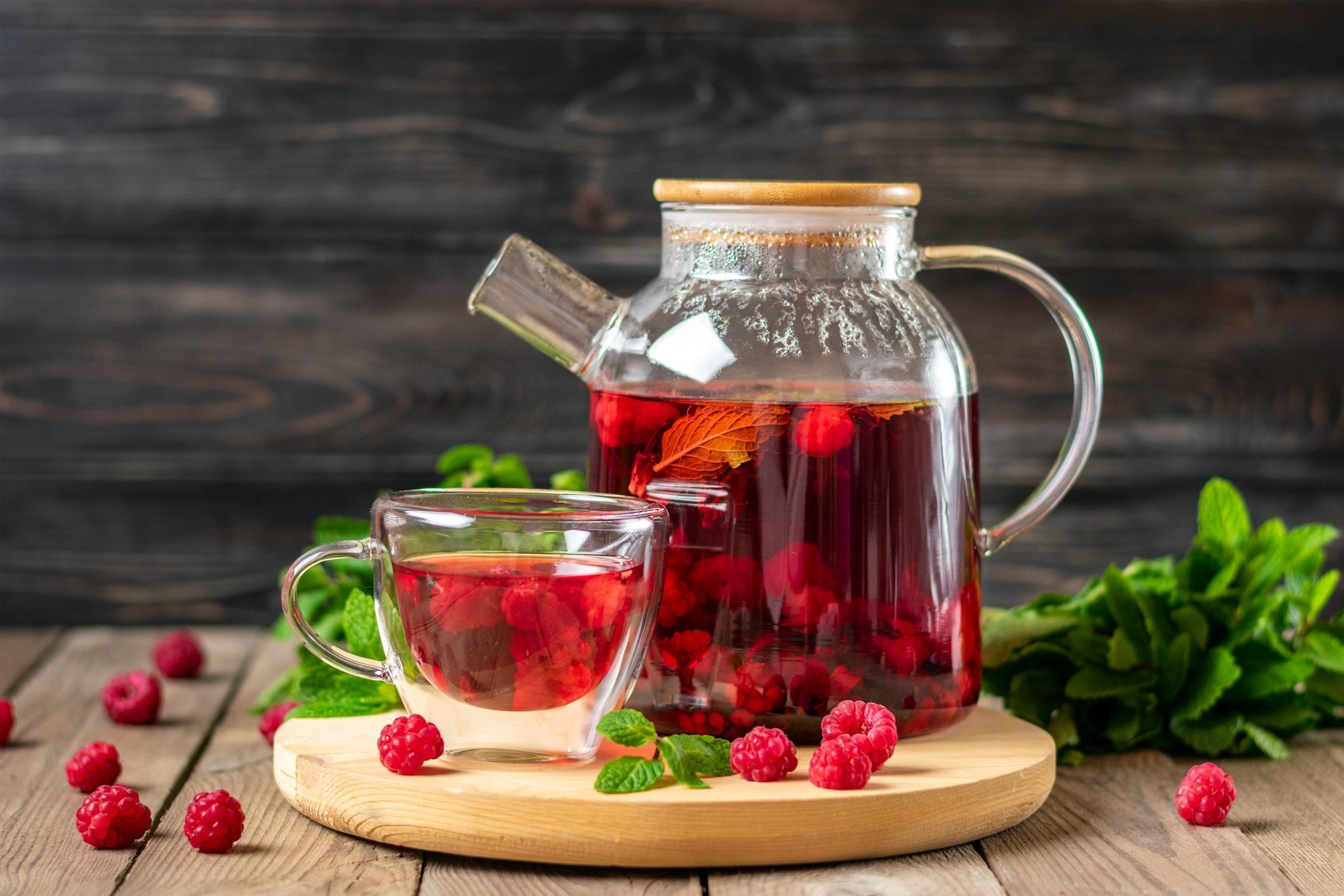
Raspberry leaf tea has been used for centuries due to its numerous health benefits. It is believed to help with menstrual cramps, aid in fertility, and support a healthy pregnancy. The leaves of the raspberry plant are rich in vitamins and minerals such as iron, calcium, and B vitamins. Raspberry leaf tea is also known for its high level of antioxidants which can help protect cells from damage.
Growing raspberries indoors can be a rewarding experience. Raspberries require well-draining soil, adequate sunlight, and regular watering. There are dwarf varieties available that are suitable for indoor cultivation. With proper care and attention to temperature and humidity levels, you can enjoy fresh raspberries year-round right from your own home.
While red raspberries are the most common variety found in supermarkets, there are many lesser-known types that offer unique flavors and colors. Some varieties include black or purple raspberries which have a richer taste compared to their red counterparts.
Raspberry seed oil is gaining popularity in skincare products due to its moisturizing properties and high content of essential fatty acids. It helps hydrate the skin while protecting it from environmental stressors.
Raspberry vinegar adds a tangy flavor to dressings, marinades, and sauces. It can also be used as a natural cleaning agent due to its antibacterial properties.
Health benefits of raspberry ketones include aiding in weight loss by increasing metabolism and reducing appetite. However, more research is needed to fully understand their effects on human health.
For pregnant women looking to reap the benefits of raspberry leaf tea without drinking the infusion directly, raspberry leaf capsules offer a convenient alternative.
Incorporating raspberry powder into smoothies is an easy way to add nutrients like vitamin C and fiber into your diet.
Raspberry leaf extract is used in various forms such as tinctures for its potential medicinal properties including anti-inflammatory effects.
Cooking with freeze-dried raspberries preserves their flavor intensity while adding texture to dishes like muffins or granola bars.
The history of raspberry cultivation dates back centuries with records showing that they were enjoyed by ancient civilizations like the Greeks and Romans who valued them for their sweetness and health benefits.
Benefits of using raspberry seed butter include its creamy texture and nutritional profile rich in omega-3 fatty acids which promote heart health.
Homemade raspberry jam can be made without pectin by cooking down fresh raspberries with sugar until it reaches a thick consistency perfect for spreading on toast or pastries.
Dried raspberries add a burst of fruity flavor when incorporated into baked goods like scones or cookies.
Wild raspberries offer similar nutritional benefits as cultivated varieties but may contain higher levels of antioxidants due to their exposure to natural elements.
Using raspberry puree in cocktails adds a refreshing sweetness that pairs well with spirits like vodka or gin creating delicious beverages perfect for summer gatherings.

Leave a Reply