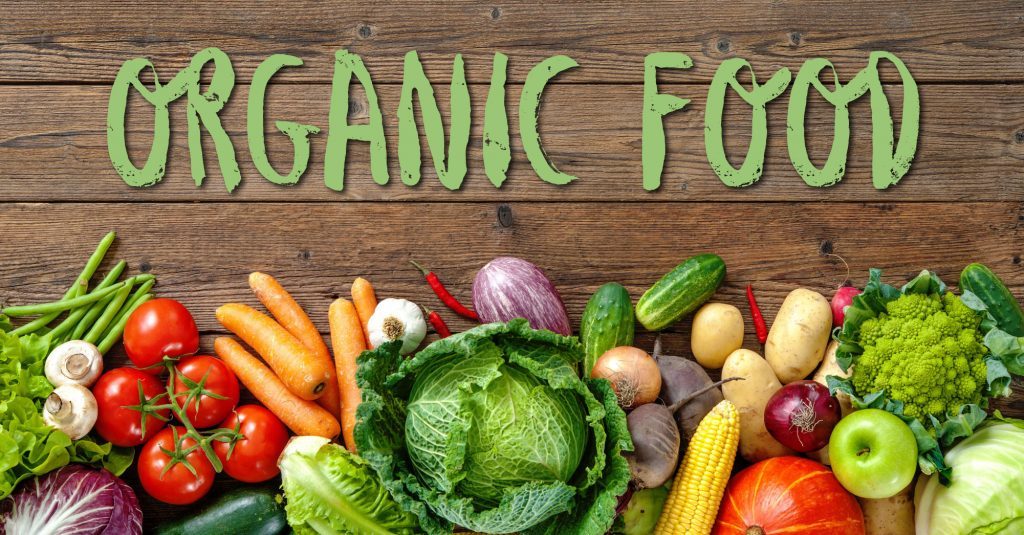
Organic produce is a popular choice for many health-conscious individuals due to its lack of synthetic pesticides and fertilizers. However, the higher cost of organic fruits and vegetables can deter some people from incorporating them into their diet regularly. Luckily, there are several strategies you can implement to save money on organic produce without compromising on quality.
One effective way to save money on organic produce is by buying in-season fruits and vegetables. When you purchase produce that is in season, it tends to be more abundant and therefore less expensive. Additionally, shopping at local farmers’ markets or joining a community-supported agriculture (CSA) program can also help you access fresh, affordable organic produce.
Another tip is to prioritize which items you buy organic. Some fruits and vegetables have thicker skins or protective layers that make them less susceptible to pesticide residue, such as avocados, pineapples, onions, and sweet potatoes. By focusing on buying these items conventionally grown while prioritizing purchasing organic versions of the “dirty dozen” (produce with high levels of pesticide residue), you can save money without sacrificing your health goals.
Additionally, consider buying frozen organic produce when fresh options are costly or unavailable. Frozen fruits and vegetables retain their nutritional value and can be more budget-friendly than fresh alternatives.
Lastly, consider growing your own organic produce if possible. Even if you have limited space or gardening experience, herbs like basil or mint can easily be grown indoors in small pots. This not only saves money but also provides the satisfaction of harvesting your own food.
By implementing these tips and being strategic in your purchasing decisions, you can enjoy the benefits of organic produce without breaking the bank.

Leave a Reply