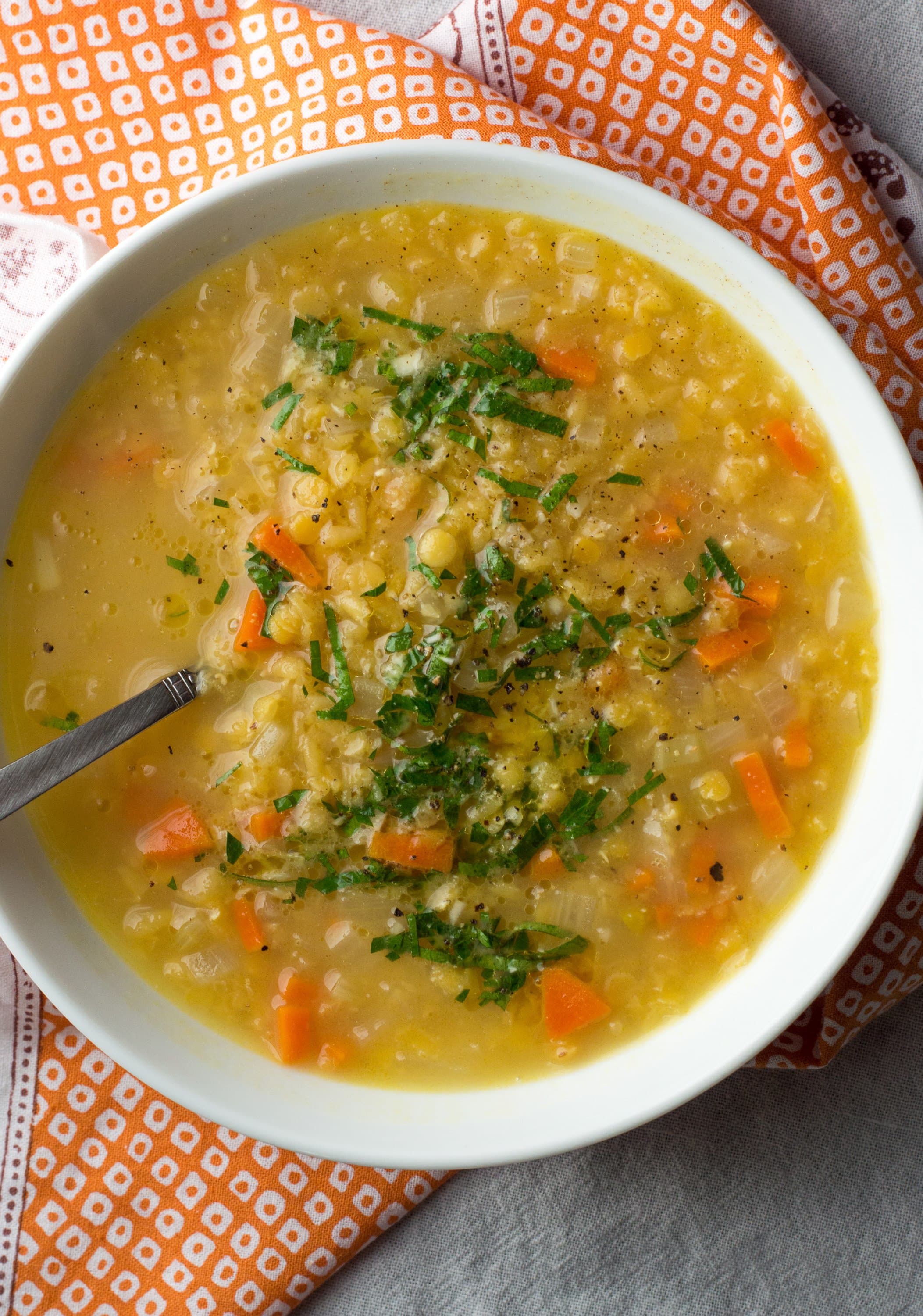
Lentils are a versatile and nutritious ingredient that can be incorporated into various dishes to add flavor, texture, and protein. Here are some frequently asked questions about lentil recipes:
Q: What are the different types of lentils?
A: There are several types of lentils, including brown, green, red, and black lentils. Each type has its own unique flavor and texture, making them suitable for different dishes. Brown lentils hold their shape well when cooked and are great for salads or soups. Green lentils have a peppery flavor and work well in casseroles or as a side dish. Red lentils cook quickly and turn mushy when cooked, making them perfect for dal or curries. Black lentils (also known as beluga lentils) have a rich earthy flavor and retain their shape when cooked; they are ideal for salads or pilafs.
Q: How do I cook lentils?
A: Lentils can be easily cooked on the stovetop. Rinse the lentils under cold water before cooking to remove any debris. Then combine 1 part rinsed lentils with 2 parts water or broth in a pot. Bring to a boil, then reduce heat to simmer until the lentils are tender but not mushy (timing varies depending on the type of lentil). You can also cook them in a pressure cooker for faster results.
Q: What are some creative ways to use cooked lentils?
A: Cooked lentils can be used in various dishes like salads, soups, stews, curries, burgers, tacos, wraps, dips (like hummus), and even desserts (such as brownies). They can also be added to pasta sauces or stuffed into vegetables like bell peppers or zucchinis for a hearty meal.
By incorporating these nutrient-dense legumes into your meals regularly you will not only improve your health but also enjoy delicious plant-based creations!

Leave a Reply