Miso is a traditional Japanese seasoning made from fermented soybeans, salt, and koji (a type of fungus). It adds a distinctive umami flavor to dishes and is used in soups, marinades, dressings, and sauces. However, if you have a soybean allergy or sensitivity or follow a soy-free diet for other reasons, you may think that miso is off-limits. Fortunately, there are some alternatives to soy-based miso that you can enjoy.
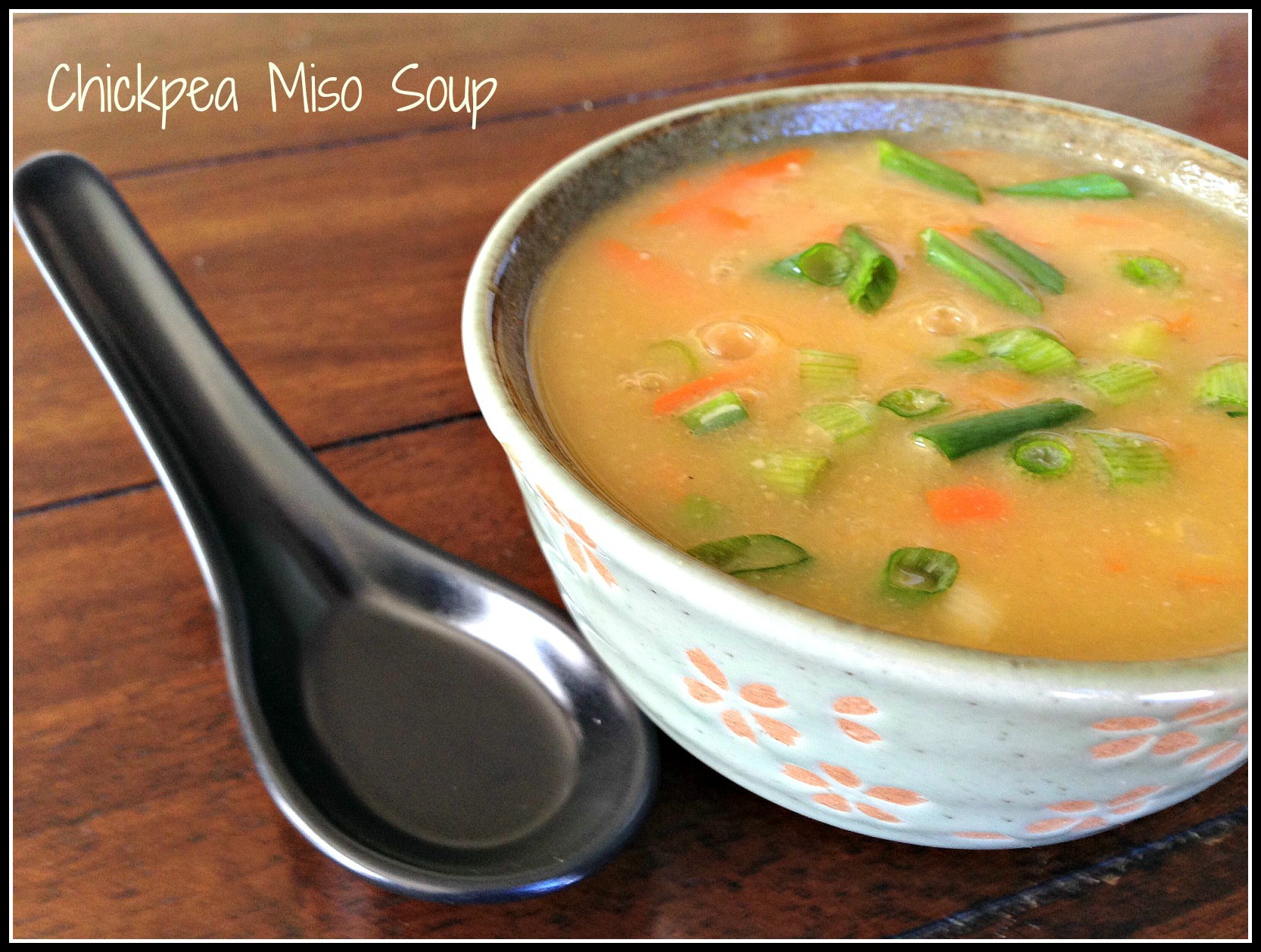
One option is chickpea miso. Chickpeas are high in protein and fiber and have a nutty taste that complements the salty-savory notes of miso. To make chickpea miso at home, soak dried chickpeas overnight and cook them until soft. Then mix them with koji rice or barley and sea salt in an earthenware crock or glass jar. Cover the mixture with cheesecloth or plastic wrap and let it ferment for several days to weeks until it develops a thick paste-like consistency.
Another option is brown rice miso. Brown rice contains complex carbohydrates, vitamins B1 and B3, minerals like magnesium and selenium, as well as antioxidants that support digestion and immunity. To make brown rice miso at home, cook organic short-grain brown rice until tender but not mushy. Rinse it under cold water to cool down quickly while preserving its starches. Mix the cooked rice with koji spores powder (available online) and sea salt in a sterilized jar or crockpot lined with parchment paper or banana leaves (for natural yeast). Cover the jar with cloth tied tightly over the top using string so air can circulate freely but dust particles cannot enter easily.
A third option is adzuki bean miso which has been used traditionally by Japanese people for centuries as an alternative to common soybean-based products due to its low allergenicity properties along with having similar nutrient profiles as soybeans. Adzuki bean miso is made by soaking, cooking and fermenting adzuki beans with koji spores and salt in a similar process to making chickpea or brown rice miso.
In conclusion, soy-free miso is possible and easy to make at home using different legumes like chickpeas, brown rice or adzuki beans along with koji spores and sea salt. Homemade misos are fresher and more flavorful than store-bought versions because they contain live beneficial bacteria that help improve gut health, but they also require patience and caution when handling them due to the risk of contamination if not properly prepared. Experiment with different types of miso to find your favorite one that suits your taste preferences and dietary needs!

Leave a Reply